Kirjojen hintavertailu – 12 873 226 kirjaa ja 26 kauppaa

Kirjailija

Mary Terrall

Kirjat ja teokset yhdessä paikassa: 4 kirjaa, julkaisuja vuosilta 2002–2015, suosituimpiin kuuluu The Man Who Flattened the Earth. Vertaile teosten hintoja ja tarkista saatavuus suomalaisista kirjakaupoista.

4 kirjaa

Kirjojen julkaisuvuodet: 2002–2015.

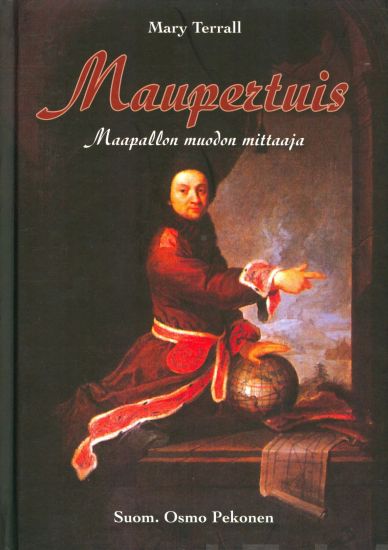
Maupertuis

Maupertuis

Mary Terrall

Sata-Väylä Oy
2015
sidottu
Maupertuis, maapallon muodon mittaajaRanskalainen matemaatikko ja tutkimusmatkailija Pierre Louis Moreau de Maupertuis (1698-1759) tunnetaan parhaiten Ranskan kuninkaallisen tiedeakatemian astemittausretkikunnasta, jota hän johti Tornionlaaksossa 1736-1737 todistaakseen, että maapallo litistyy navoiltaan pyörimisliikkeensä vaikutuksesta, kuten Isaac Newton oli ennustanut. Suuri tieteenhistorian tarina kerrotaan tässä kirjassa. Entä mitä kaikkea muuta Maupertuis teki? Los Angelesin yliopiston tieteenhistorian professorin Mary Terrallin kirjoittama kenties maailman paras Maupertuisn elämäkertateos paljastaa Maupertuisn edesottamukset monissa maissa valistusajan yleisnerona ja moninkertaisena akateemikkona; soturina ja naistenmiehenä; kirjailijana ja seikkailijana. Värikäs tarina kytkee suomalaisen tieteenhistorian ja eritoten Tornionlaakson paikallishistorian Ranskan 1700-luvun historian kiehtoviin hahmoihin. Teoksen on suomentanut tieteenhistorian dosentti FT, YTT Osmo Pekonen, joka on kirjoittanut myös väitöskirjan samasta aihepiiristä (2009).
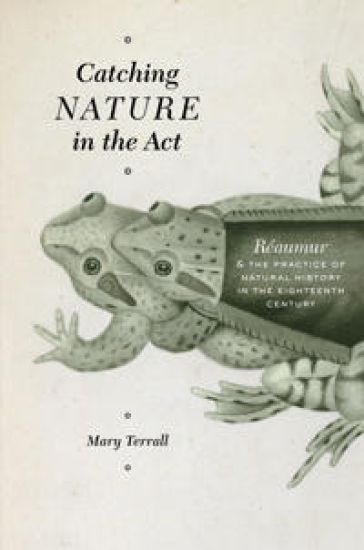
Catching Nature in the Act

Catching Nature in the Act

Mary Terrall

University of Chicago Press
2014
sidottu
Natural history in the eighteenth century was many things to many people - diversion, obsession, medically or economically useful knowledge, spectacle, evidence for God's providence and wisdom, or even the foundation of all natural knowledge. Because natural history was pursued by such a variety of people around the globe, with practitioners sharing neither methods nor training, it has been characterized as a science of straightforward description, devoted to amassing observations as the raw material for classification and thus fundamentally distinct from experimental physical science. In Catching Nature in the Act, Mary Terrall revises this picture, revealing how eighteenth-century natural historians incorporated various experimental techniques and strategies into their practice. At the center of Terrall's study is Rene-Antoine Ferchault de Reaumur (1683-1757) - the definitive authority on natural history in the middle decades of the eighteenth century - and his many correspondents, assistants, and collaborators. Through a close examination of Reaumur's publications, papers, and letters, Terrall reconstructs the working relationships among these naturalists and shows how observing, collecting, and experimenting fit into their daily lives. Essential reading for historians of science and early modern Europe, Catching Nature in the Act defines and excavates a dynamic field of francophone natural history that has been inadequately mined and understood to date.
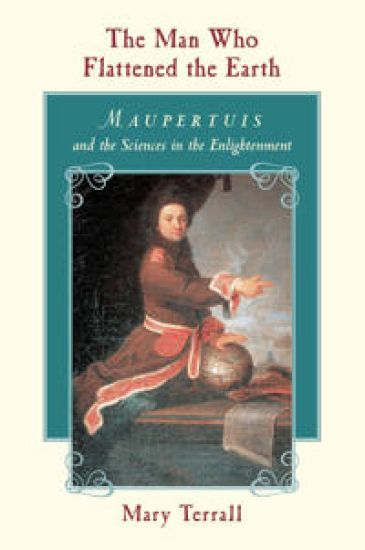
The Man Who Flattened the Earth

The Man Who Flattened the Earth

Mary Terrall

University of Chicago Press
2006
nidottu
Self-styled adventurer, literary wit, and statesman of science, Pierre-Louis Moreau de Maupertuis (1698 - 1759) stood at the center of Enlightenment science and culture. With "The Man Who Flattened the Earth", Mary Terrall offers an elegant portrait of this remarkable man, revealing just how his private life and public works made him a man of science in eighteenth-century Europe. Maupertuis entered the public eye with a much-discussed expedition to Lapland and went on to make significant and often intentionally controversial contributions to physics, life science, and astronomy. Equally at ease in cafes and royal courts, Maupertuis used his social connections and his printed works to enhance a carefully constructed reputation as both a man of letters and a man of science. Terrall not only illuminates the life and work of Maupertuis but also delves into larger Enlightenment issues, including the development of scientific institutions, the impact of print culture on science, and the often vexed interactions of science and government.
The Man Who Flattened the Earth

The Man Who Flattened the Earth

Mary Terrall

University of Chicago Press
2002
sidottu
Self-styled adventurer, literary wit, and statesman of science, Pierre-Louis Moreau de Maupertuis (1698 - 1759) stood at the center of Enlightenment science and culture. With "The Man Who Flattened the Earth", Mary Terrall offers an elegant portrait of this remarkable man, revealing just how his private life and public works made him a man of science in eighteenth-century Europe. Maupertuis entered the public eye with a much-discussed expedition to Lapland and went on to make significant and often intentionally controversial contributions to physics, life science, and astronomy. Equally at ease in cafes and royal courts, Maupertuis used his social connections and his printed works to enhance a carefully constructed reputation as both a man of letters and a man of science. Terrall not only illuminates the life and work of Maupertuis but also delves into larger Enlightenment issues, including the development of scientific institutions, the impact of print culture on science, and the often vexed interactions of science and government.