Kirjailija
Mary Wollstonecraft
Kirjat ja teokset yhdessä paikassa: 360 kirjaa, julkaisuja vuosilta 1755–2026, suosituimpiin kuuluu Maria. Vertaile teosten hintoja ja tarkista saatavuus suomalaisista kirjakaupoista.
360 kirjaa
Kirjojen julkaisuvuodet: 1755–2026.
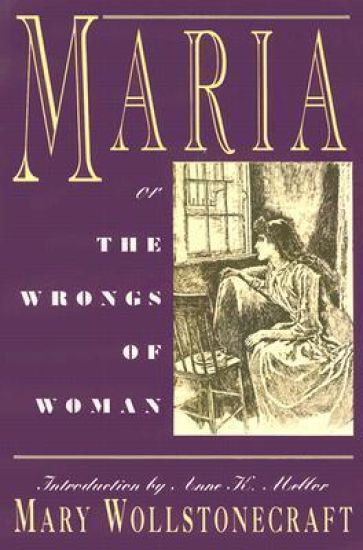
Her story of a woman incarcerated in a madhouse by her abusive husband dramatizes the effect of the English marriage laws, which made women virtually the property of their husbands.
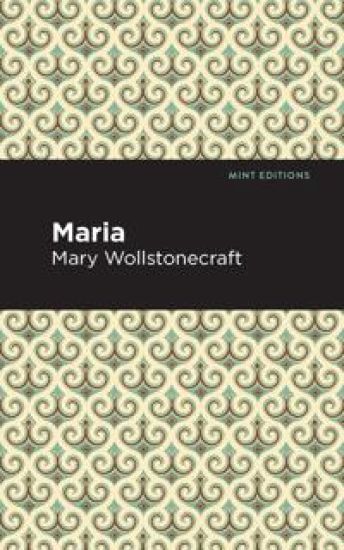
Maria: or, The Wrongs of Woman (1798) is a novel by English writer, philosopher, and feminist Mary Wollstonecraft. Intended as a fictional sequel to A Vindication of the Rights of Woman (1792), a groundbreaking work of feminism and political philosophy, Maria: or, The Wrongs of Woman was published posthumously by Wollstonecraft’s husband, anarchist philosopher and writer William Godwin. Denied her autonomy, Maria is sent to an insane asylum by her husband, a wealthy aristocrat. Separated from her child and unable to advocate on her own behalf, Maria is fortunate to befriend Jemima, an attendant from the lower classes who empathizes with Maria’s situation. Jemima secretly provides her with books, inadvertently introducing her to the marginalia of Henry Darnford, another inmate at the asylum. The three grow close, sharing their stories with one another. Darnford reveals his troubled past and struggles with alcohol, Jemima discloses her experiences as an abused orphan-turned-prostitute, and Maria discusses her abusive marriage to George Venables. As she turned toward literature and intellectual life to avoid George’s affairs and frequent gambling, Maria found herself desperately looking for a way out. After several escape attempts, George—who had been scheming for years to frame his wife in order to divorce her—conspires to send her to the asylum, taking their child and cutting off contact with Maria. Although unfinished, Maria: or, The Wrongs of Woman explores the themes of her political and philosophical writings while illuminating the injustices suffered by women and lower class individuals in English society. With a beautifully designed cover and professionally typeset manuscript, this edition of Mary Wollstonecraft’s Maria: or, The Wrongs of Woman is a classic of English literature reimagined for modern readers.
" ...] Many nights she sat up, if I may be allowed the expression, conversing with the Author of Nature, making verses, and singing hymns of her own composing. She considered also, and tried to discern what end her various faculties were destined to pursue; and had a glimpse of a truth, which afterwards more fully unfolded itself. She thought that only an infinite being could fill the human soul, and that when other objects were followed as a means of happiness, the delusion led to misery, the consequence of disappointment. Under the influence of ardent affections, how often has she forgot this conviction, and as often returned to it again, when it struck her with redoubled force. Often did she taste unmixed delight; her joys, her ecstacies arose from genius. She was now fifteen, and she wished to receive the holy sacrament; and perusing the scriptures, and ...]."
Letters Written During a Short Residence in Sweden, Norway, and Denmark
Mary Wollstonecraft
Antiquum Novum Verlag
2026
Nidottu
Letters Written During a Short Residence in Sweden, Norway, and Denmark
Mary Wollstonecraft
Left of Brain Books
2026
Nidottu
Of the Importance of Religious Opinions. (Cram Edition)
Jacques Necker; Mary Wollstonecraft
Xpresspress
2026
Nidottu
Mary Wollstonecraft's Original Stories (Cram Edition)
Mary Wollstonecraft; E. V. (Edward Verrall) Lucas; William Blake
Xpresspress
2026
Nidottu
A Vindication of the Rights of Men, in a Letter to the Right Honourable Edmund Burke
Mary Wollstonecraft
Antiquum Novum Verlag
2026
Nidottu
A Vindication of the Rights of Men, in a Letter to the Right Honourable Edmund Burke
Mary Wollstonecraft
Antiquum Novum Verlag
2026
Sidottu
An historical and moral view of the origin and progress of the French Revolution
Mary Wollstonecraft
Antiquum Novum Verlag
2026
Nidottu