Kirjojen hintavertailu – 12 859 828 kirjaa ja 27 kauppaa
Kirjailija
Marylene Cloitre
Kirjat ja teokset yhdessä paikassa: 5 kirjaa, julkaisuja vuosilta 2010–2025, suosituimpiin kuuluu Behandlung der Folgen interpersoneller Traumatisierung. Vertaile teosten hintoja ja tarkista saatavuus suomalaisista kirjakaupoista.
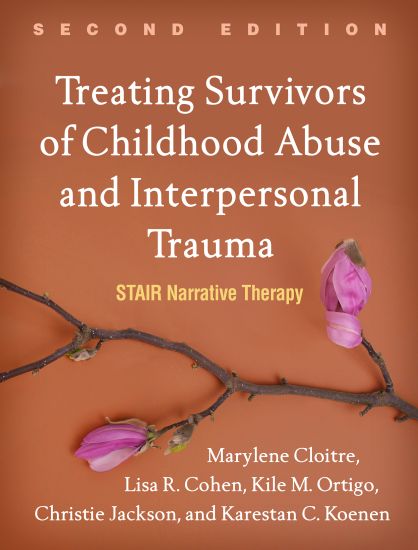
Now revised and expanded with 50% new content reflecting important clinical refinements, this manual presents a widely used evidence-based therapy approach for adult survivors of chronic trauma. Skills Training in Affective and Interpersonal Regulation (STAIR) Narrative Therapy helps clients to build crucial social and emotional resources for living in the present and to break the hold of traumatic memories. Highly clinician friendly, the book provides everything needed to implement STAIR--including 68 reproducible handouts and session plans--and explains the approach's theoretical and empirical bases. The large-size format facilitates photocopying; purchasers also get access to a Web page where they can download and print the reproducible materials. First edition title: Treating Survivors of Childhood Abuse: Psychotherapy for the Interrupted Life. New to This Edition *Reorganized, simplified sessions make implementation easier. *Additional session on emotion regulation, with a focus on body-based strategies. *Sessions on self-compassion and on intimacy and closeness in relationships. *Chapter on emerging applications, such as group and adolescent STAIR, and clinical contexts, such as primary care and telemental health. *Many new or revised handouts--now downloadable. *Updated for DSM-5 and ICD-11.
Now revised and expanded with 50% new content reflecting important clinical refinements, this manual presents a widely used evidence-based therapy approach for adult survivors of chronic trauma. Skills Training in Affective and Interpersonal Regulation (STAIR) Narrative Therapy helps clients to build crucial social and emotional resources for living in the present and to break the hold of traumatic memories. Highly clinician friendly, the book provides everything needed to implement STAIR--including 68 reproducible handouts and session plans--and explains the approach's theoretical and empirical bases. The large-size format facilitates photocopying; purchasers also get access to a Web page where they can download and print the reproducible materials. First edition title: Treating Survivors of Childhood Abuse: Psychotherapy for the Interrupted Life. New to This Edition *Reorganized, simplified sessions make implementation easier. *Additional session on emotion regulation, with a focus on body-based strategies. *Sessions on self-compassion and on intimacy and closeness in relationships. *Chapter on emerging applications, such as group and adolescent STAIR, and clinical contexts, such as primary care and telemental health. *Many new or revised handouts--now downloadable. *Updated for DSM-5 and ICD-11.
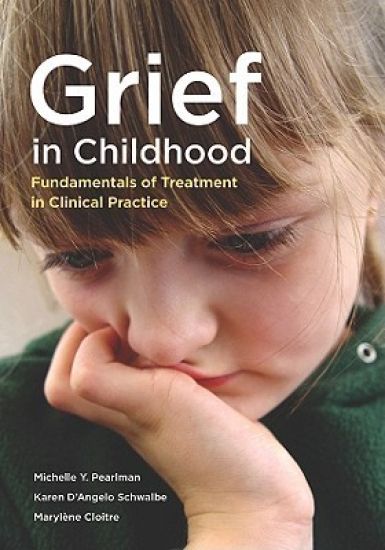
This book presents integrated grief therapy for children-an evidence-based model for treating bereaved children that draws extensively on cognitive behavioral, family systems, and narrative approaches to therapy. The authors' model shows clinicians how to assess the needs of bereaved children, treat common distressing symptoms (depression, posttraumatic stress disorder, anxiety, and behavioral problems), and address the grief itself while fostering resilience. Because emotional and behavioral problems following grief are manifested in different ways, the model allows for flexibility based on the age, symptom presentation, and needs of the child. And because the inclusion of a surviving parent or caregiver is critical to working with grieving children, the model involves the parent in the interventions.