Kirjojen hintavertailu – 12 867 322 kirjaa ja 27 kauppaa

Kirjailija

Mateo Kries

Kirjat ja teokset yhdessä paikassa: 12 kirjaa, julkaisuja vuosilta 2013–2024, suosituimpiin kuuluu Nike: Form Follows Motion. Vertaile teosten hintoja ja tarkista saatavuus suomalaisista kirjakaupoista.

12 kirjaa

Kirjojen julkaisuvuodet: 2013–2024.

Nike: Form Follows Motion

Nike: Form Follows Motion

Mateo Kries; Glenn Adamson; Ligaya Salazar; Adam Bradley; Sam Grawe; William Myers; Hanif Abdurraqib; Rick Poynor

VITRA DESIGN MUSEUM
2024
sidottu

Halvin toimitettuna 83,00 €

An unprecedented look at the design archives of the iconic sportswear brand. In Autumn 2024 the Vitra Design Museum will present the first ever museum exhibition about Nike, the world’s most revered sport brand. The exhibition and this accompanying catalogue mark the milestones in Nike’s six decade history and explores its ascent into a global brand that holds a central role in popular culture. The focus of the exhibition is on Nike’s design practice – from the company’s beginnings in the 1960s and the design of its famous “swoosh” logo to iconic products such as Air Max Air Jordan and Vapor Fly, and current research devoted to future materials and sustainability. The main source for the exhibition is the Department of Nike Archives, which contains a unique collection of drawings, prototypes and other documentation. The exhibition marks the most comprehensive access ever given to this archive. Among the objects on show are rarities and one-offs from the company’s early days in the 1960s, original design drawings and prototypes of iconic sneaker models, historical documents and films, as well as the results of collaborations with creative figures such as Virgil Abloh and Marc Newson. Nike: Form Follows Motion traces Nike’s design process, which begins with the scientific analysis of the human body in motion and material research and culminates in the finished product and its branding. Along with Nike designers like Bill Bowerman, Diane Katz, Tinker Hatfield and Eric Avar, athletes – from the world’s greatest to the everyday – have played an important role in this design process.
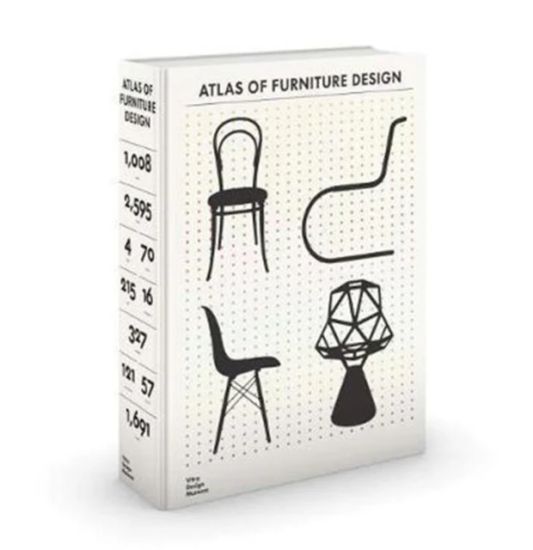
The Atlas of Furniture Design

The Atlas of Furniture Design

Mateo Kries; Jochen Eisenbrand; Henrike Büscher; Fulvio Ferrari; Otakar Mácel; Jane Pavitt; Ingeborg de Roode; Arthur Rüegg; Deyan Sudjic; Wolf Tegethoff; Carsten Thau; et al

Vitra Design Museum
2019
sidottu

Halvin toimitettuna 130,00 €

In 2019, the Vitra Design Museum will publish the Atlas of Furniture Design, the definitive, encyclopedic overview of the history of modern furniture design. Featuring over 1700 objects by more than 500 designers and 121 manufacturers, it includes approximately 2800 images ranging from detailed object photographs to historical images documenting interiors, patents, brochures, and related works of art and architecture. The basis for the Atlas of Furniture Design is the collection held by the Vitra Design Museum, one of the largest of its kind with more than 7000 works. The book presents selected pieces by the most important designers of the last 230 years and documents key periods in design history, including early nineteenth-century industrial furniture in bentwood and metal, Art Nouveau and Secessionist pieces and works by protagonists of classical modernism and postwar design, as well as postmodern and contemporary pieces. The Atlas of Furniture Design employed a team of more than 70 experts and features over 550 detailed texts about key objects. In-depth essays provide sociocultural and design-historical context to four historical epochs of furniture design and the pieces highlighted here, enriched by a detailed annex containing designer biographies, glossaries, and elaborate information graphics. The Atlas of Furniture Design is an indispensable resource for collectors, scholars and experts, as well as a beautifully designed object that speaks to design enthusiasts.
Garden Futures: Designing with Nature

Garden Futures: Designing with Nature

Mateo Kries; Viviane Stappmanns

VITRA DESIGN MUSEUM
2023
sidottu

Halvin toimitettuna 45,90 €

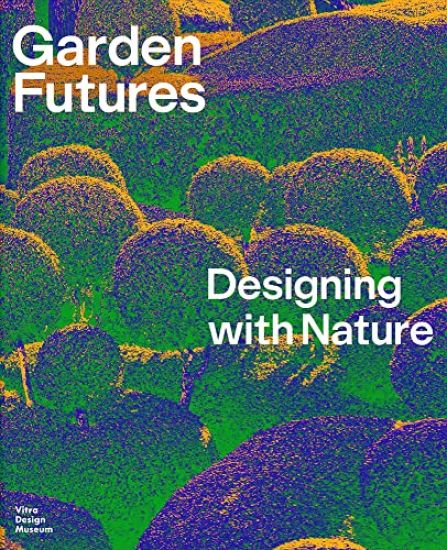
Gardens have always been places of leisure, pleasure, and production – they reflect identities, dreams, and visions. Deeply rooted in their culture, gardens have immense symbolic potential. The recent revival of horticulture has focused less on the garden as a romantic refuge than as a place where we imagine the future and develop solutions. Urban farms, vertical gardens, and other innovative projects in art, architecture, and urban planning demonstrate that the present return to the garden is no timid retreat, but a pioneering quest for a world in which social and ecological justice count for something. Garden Futures examines what gardens and their design reveal about our relationship to nature. In exploring the history of ideas behind the genesis of the modern garden, the book takes a close look at the present, goes in search of origins in the past, and builds bridges into the future. Stunning photographs illustrate ground-breaking gardens by such designers as Derek Jarman and Piet Oudolf while critical articles by well-known authors question conventional garden ideals. Authors and gardeners including Gilles Clement and Jamaica Kincaid present the garden as a place of learning where abstract concepts like ecology, climate change, and food insecurity are translated into things you can smell, touch, and taste. Daisy Ginsberg, Salmon Creek Farm, and EcoLogic Studio create experimental and speculative projects generating new attitudes and approaches.
The Vitra Campus

The Vitra Campus

Mateo Kries; Johanna Thieme; Henrike Büscher; Louisa Sawatzki

Vitra Design Museum
2020
nidottu
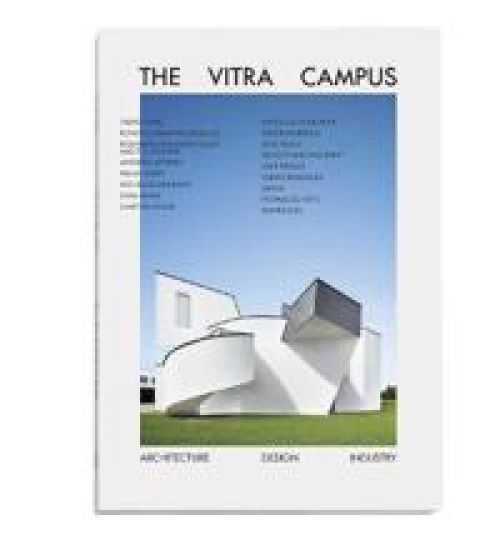
Since the 1980s, Vitra has enlisted some of the world’s leading architects to design buildings for its campus, including Zaha Hadid, Frank Gehry, Tadao Ando, SANAA, Álvaro Siza, Nicholas Grimshaw and Herzog & de Meuron. This has resulted in a unique architectural ensemble that attracts 350,000 visitors each year, about which Philip Johnson wrote: “Since the Weissenhofsiedlung in Stuttgart in 1927, there has not been a gathering in a single place of a group of buildings designed by the most distinguished architects in the Western world.” While the renowned Vitra Design Museum presents alternating exhibitions, the Schaudepot gives visitors an insight into parts of the museum’s extensive collection. In addition, during their time on the Campus, visitors can take part in a guided tour of the architecture or a workshop, enjoy the view from the Vitra Slide Tower and afterwards slide down the 37-meter-long slide, experience furniture classics and new products from the Vitra Home Collection in the VitraHaus as well as savour the offers of the shops and cafés. Originally published in 2014, this revised flexibound edition of The Vitra Campus offers an overview of Vitra architecture, its daily use, the development of the Campus and biographies of the contributing architects. An ideal souvenir and campus guide, The Vitra Campus is also a fascinating read about some of the most significant architects and buildings of our time.
Objects of Desire

Objects of Desire

Mateo Kries; Tanja Cunz

Vitra Design Museum
2019
sidottu

Halvin toimitettuna 54,90 €

Surrealism expanded our reality by drawing upon myths, dreams, and the subconscious as sources of artistic inspiration. Beginning in the 1930s, the movement made a crucial impact on design, and it continues to inspire designers to this day. »Objects of Desire: Surrealism and Design« is the first book to document this fascinating conversation. It includes numerous essays and a comprehensive selection of images which traces these reciprocal exchanges by juxtaposing exemplary artworks and design objects. Among the featured artists and designers are Gae Aulenti, Achille Castiglioni, Giorgio de Chirico, Le Corbusier, Salvador Dalí, Marcel Duchamp, ntoni Gaudí, Frederick Kiesler, René Magritte, Carlo Mollino, Meret Oppenheim, and many others. The book is rounded off with historical text material as well as short texts and statements by contemporary designers. This in- depth examination makes one thing abundantly clear: form does not always follow function — it can also follow our obsessions, our fantasies, and our hidden desires.
Balkrishna Doshi: Architecture for the People

Balkrishna Doshi: Architecture for the People

Mateo Kries; Jolanthe Kugler; Khushnu Panthaki Hoof

Vitra Design Museum
2019
sidottu
Shortlisted for the Richard Schlagman Art Book Awards 2019 for Best Book on Contemporary Architecture Balkrishna Doshi constantly demonstrates that all good architecture and urban planning must not only unite purpose and structure but must take into account climate, site, technique and craft. – Pritzker Prize 2018 jurors The 2018 Pritzker Architecture Prize winner Balkrishna Doshi is one of India's most influential architects, renowned for his harmonious designs that merge the formal language of classical modernism with Indian building traditions and local craft skills. Always designed with a sensitivity to the social, environmental and economic conditions of a given commission or site, Doshi’s architecture honors the past while at the same time accommodating the rapidly changing conditions and needs of modern India. Doshi has designed more than 100 buildings—educational and cultural institutions, public buildings, private residences and low-income housing projects among them—and has taught scores of students over the course of his 60-year career, a career distinguished by a sense of responsibility and dedication to the country and communities he has served. Balkrishna Doshi: Architecture for the People presents the first comprehensive survey of this groundbreaking architect’s oeuvre in over 20 years. With a complete overview of all of Doshi’s projects, it provides insights into the inspiration behind his work and the background to his projects through essays written by outstanding experts in the field. The richly illustrated book is further supplemented by an interview with the architect, an illustrated biography and new photographs that document the impressive timeliness of the Indian master's buildings.
Night Fever

Night Fever

Mateo Kries; Jochen Eisenbrand

Vitra Design Museum
2018
sidottu
A history of the nightclub from the 1960s to the present day. Nightclubs and discothèques are hotbeds of contemporary culture. Throughout the 20th century, they have been centres of the avant-garde that question the established codes of social life and experiment with different realities, merging interior and furniture design, graphics and art with sound, light, fashion and special effects to create a modern Gesamtkunstwerk. Night Fever: A Design History of Club Culture examines the history of the nightclub, with examples ranging from Italian nightclubs of the 1960s that were created by members of the Radical Design group to the legendary Studio 54 in New York, Philippe Starck’s Les Bains Douches in Paris and the more recent Double Club in London, conceived by German artist Carsten Höller for the Prada Foundation. Featuring films and vintage photographs, posters and fashion, Night Fever takes the reader on a fascinating journey through a world of glamour, subculture and the search for the night that never ends.
The Eames Furniture Sourcebook

The Eames Furniture Sourcebook

Mateo Kries; Jolanthe Kugler; Eames Demetrios; Pat Kirkham; Daniel Ostroff

Vitra Design Museum
2017
sidottu
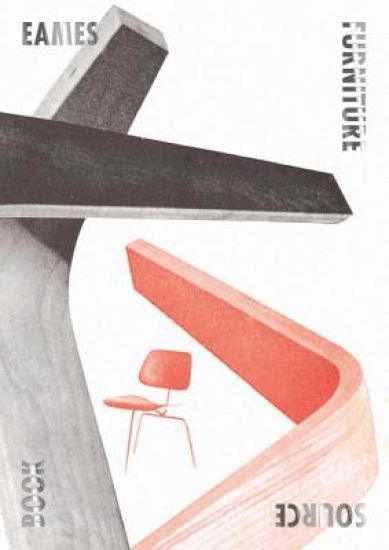
Through models, material studies, prototypes and production examples of the Eames estate held at the Vitra Design Museum, the Eames Furniture Sourcebook aims to reconstruct the genesis of the most relevant furniture designs by Charles and Ray Eames and shed light on their influence on the development of new and innovative materials. New insights in thinking processes and work practices of this legendary designer couple are revealed, designers whose work was driven by philosophical ideals that privileged knowledge, discovery and discipline, and embraced the potential of technology and science for the common good.
Hello, Robot

Hello, Robot

Mateo Kries; Christoph Thun-Hohenstein; Katrien Laporte; Hortensia Völckers; Alexander Farenholtz; Ulrich Spiesshofer; Ameile Klein; Marlies Wirth; Gesche Joost; Bruce Stirling; Fredo De Smet; Frauke Zeller; David Harris Smith; Thomas Geisler; Fiona Raby; Anthony Dunne; Carlo Ratti; Daniele Belleri; Rosi Braidotti; et al

Vitra Design Museum
2017
nidottu
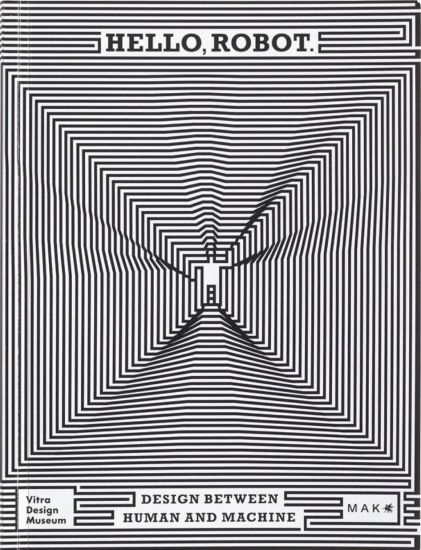
Hello, Robot. Design Between Human and Machine investigates how robotics is becoming part of our everyday lives. The exhibitions shows that design in its traditional function as a mediator is indispensable if robots are to become a visible reality and not just remain hidden in washing machines, cars and cash machines. The volume clarifies where we already encounter these intelligent machines and where we may come across them in the near future: in industry, in the military and in everyday settings; at nurseries and retirement homes; in our bodies and in the cloud; when shopping and having sex; in video games and, of course, in film and literature. In a series of in-depth essays and interviews, experts such as the science fiction author Bruce Sterling and the design duo Dunne & Raby explore the question of how we deal with our environment becoming increasingly digital, smarter and more autonomous. They highlight our often ambivalent relationship to new technologies and discuss the opportunities and challenges that are posed to us as individuals and as a society in this context. In this regard, Hello, Robot. broadens the scope of the discussion to the ethical and political questions with which we are faced today in the light of technological advances in robotics, whilst confronting us with the contradictions that are often found in the answers to these questions.
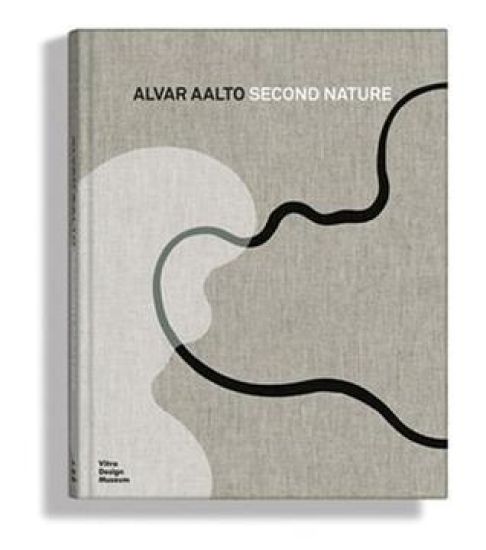
Alvar Aalto

Alvar Aalto

Mateo Kries

Vitra Design Museum
2014
sidottu
The richly illustrated book is the first in many years to offer a comprehensive and current overview of Aalto's oeuvre as an architect, designer and urban planner. Ten authors, such as the renowned architectural historians Eeva-Liisa Pelkonen and Akos Moravanszky and MoMA curator Pedro Gadanho, address central aspects in Aalto's work. Particular attention is directed to Aalto's dialogue with important artists of his day, including Laszlo Moholy -Nagy, Jean Arp, Alexander Calder and Fernand Leger, as well as his interest in film, cinema and photography whose influences on his work are examined here for the first time. The catalogue section presents numerous never-before-seen original drawings and architectural models from the archive of the Alvar Aalto Foundation. The new contemporary perspective on Alvar Aalto is complemented with photographs by Armin Linke who documented a number of Aalto's buildings anew especially for this publication. As these images demonstrate: Aalto's work is as current and inspiring today as at the time of its creation.
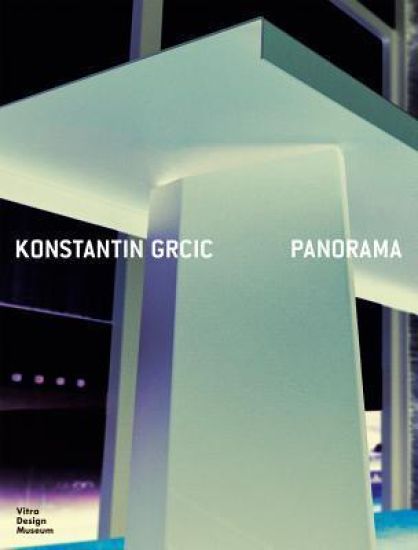
Konstantin Grcic

Konstantin Grcic

Mateo Kries; Janna Lipsky

Vitra Design Museum
2014
nidottu
The book »Konstantin Grcic – Panorama« contains the first catalogue raisonné of the designer’s work and documents over 400 pieces of furniture, products and exhibitions with informative details, images and comprehensive descriptions. This overview is accompanied by numerous illustrated essays from renowned authors, including Peter Sloterdijk, Richard Sennett, Paola Antonelli, Jonathan Olivares, Mario Carpo, Louise Schouwenberg, Jan Boelen, Janna Lipsky and Mateo Kries. While some essays investigate Grcic’s oeuvre and its context, others address overarching issues that shape Grcic’s work, such as new production technologies, evolution of the home environment or the development of public spaces. The book is further augmented by a series of images depicting visionary spatial designs by Grcic demonstrating his conceptions of life in the future. All these facets combine to make the book a unique panorama of a designer whose contemporary influence is widely felt – as well as a fascinating read for all those with an interest in the future of design.
Lightopia

Lightopia

Mateo Kries; Jolanthe Kugler

Vitra Design Museum
2013
sidottu
Artificial light has revolutionized our environment like almost no other medium. Today, we are experiencing a profound change in the world of artificial light, with as yet unforeseeable consequences for people’s lives. »Lightopia« presents icons and examples of lighting design, setting them in a broader cultural and historical context. The publication comprises three separate books in a slipcase. In volume 1, renowned authors take a close look at the cultural history of light in a number of essays dealing with topics as diverse as the scenographic significance of light or its psychological aspects. Volume 2 presents a selection of the 100 most important luminaires from the collection of the Vitra Design Museum – dating from 1900 to today – and includes texts on the development of lighting design. In volume 3, interviews with well-known lighting designers and artists explore how new illumination technologies revolutionize the creative use of light today. With its three volumes, »Lightopia« constitutes a unique compendium of lighting design. It is opulently illustrated and encompasses an exceptional spectrum of examples from design, art and architecture; with works by Olafur Eliasson, Gino Sarfatti, Ingo Maurer, mischer’traxler, Carlos Cruz-Diez, Wilhelm Wagenfeld, Richard Sapper, Achille Castiglioni, Ulrike Brandi, Pieke Bergmans and many others.