Kirjojen hintavertailu – 12 859 829 kirjaa ja 27 kauppaa

Kirjailija

Matt Brennan

Kirjat ja teokset yhdessä paikassa: 11 kirjaa, julkaisuja vuosilta 2013–2023, suosituimpiin kuuluu The History of Live Music in Britain, Volume III, 1985-2015. Vertaile teosten hintoja ja tarkista saatavuus suomalaisista kirjakaupoista.

11 kirjaa

Kirjojen julkaisuvuodet: 2013–2023.

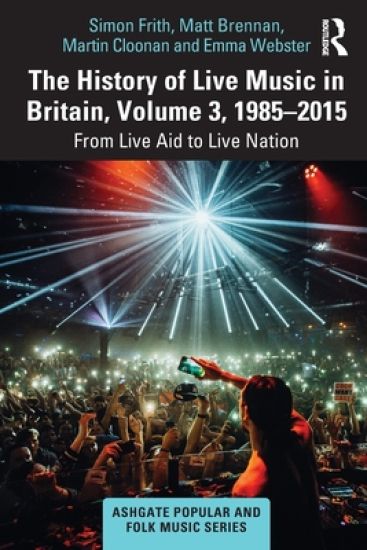
The History of Live Music in Britain, Volume III, 1985-2015

The History of Live Music in Britain, Volume III, 1985-2015

Simon Frith; Matt Brennan; Martin Cloonan; Emma Webster

TAYLOR FRANCIS LTD
2023
nidottu
To date there has been a significant gap in existing knowledge about the social history of music in Britain from 1950 to the present day. The three volumes of Live Music in Britain address this gap and do so through a unique prism—that of live music. The key theme of the books is the changing nature of the live music industry in the UK, focused upon popular music but including all musical genres. Via this focus, the books offer new insights into a number of other areas including the relationship between commercial and public funding of music; changing musical fashions and tastes; the impact of changing technologies; the changing balance of power within the music industries; the role of the state in regulating and promoting various musical activities within an increasingly globalised music economy; and the effects of demographic and other social changes on music culture. Drawing on new archival research, a wide range of academic and non- academic secondary sources, participant observation and a series of interviews with key personnel, the books have the potential to become landmark works within Popular Music Studies and broader cultural history. The third volume covers the period from Live Aid to Live Nation (1985– 2015).
The History of Live Music in Britain, Volume III, 1985-2015

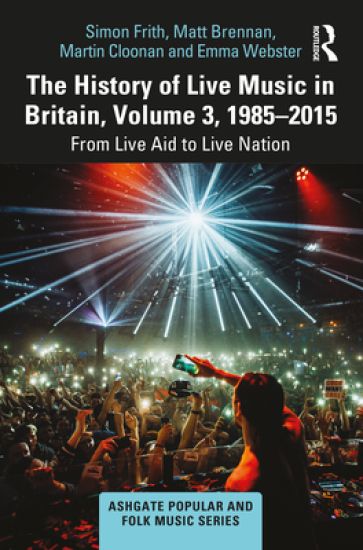
The History of Live Music in Britain, Volume III, 1985-2015

Simon Frith; Matt Brennan; Martin Cloonan; Emma Webster

Ashgate Publishing Limited
2021
sidottu
To date there has been a significant gap in existing knowledge about the social history of music in Britain from 1950 to the present day. The three volumes of Live Music in Britain address this gap and do so through a unique prism—that of live music. The key theme of the books is the changing nature of the live music industry in the UK, focused upon popular music but including all musical genres. Via this focus, the books offer new insights into a number of other areas including the relationship between commercial and public funding of music; changing musical fashions and tastes; the impact of changing technologies; the changing balance of power within the music industries; the role of the state in regulating and promoting various musical activities within an increasingly globalised music economy; and the effects of demographic and other social changes on music culture. Drawing on new archival research, a wide range of academic and non- academic secondary sources, participant observation and a series of interviews with key personnel, the books have the potential to become landmark works within Popular Music Studies and broader cultural history. The third volume covers the period from Live Aid to Live Nation (1985– 2015).

The History of Live Music in Britain, Volume II, 1968-1984

The History of Live Music in Britain, Volume II, 1968-1984

Simon Frith; Matt Brennan; Martin Cloonan; Emma Webster

Routledge
2020
nidottu
To date, there has been a significant gap in work on the social history of music in Britain from 1950 to the present day. The three volumes of Live Music in Britain address this gap and do so through a unique prism—that of live music. The key theme of the books is the changing nature of the live music industry in the UK, focused upon popular music but including all musical genres. Via this focus, the books offer new insights into a number of other areas, including the relationship between commercial and public funding of music, changing musical fashions and tastes, the impact of changing technologies, the changing balance of power within the music industries, the role of the state in regulating and promoting various musical activities within an increasingly globalised music economy, and the effects of demographic and other social changes on music culture. Drawing on new archival research, a wide range of academic and non-academic secondary sources, participant observation and a series of interviews with key personnel, the books have the potential to become landmark works within Popular Music Studies and broader cultural history. The second volume covers the period from Hyde Park to the Hacienda (1968–84).
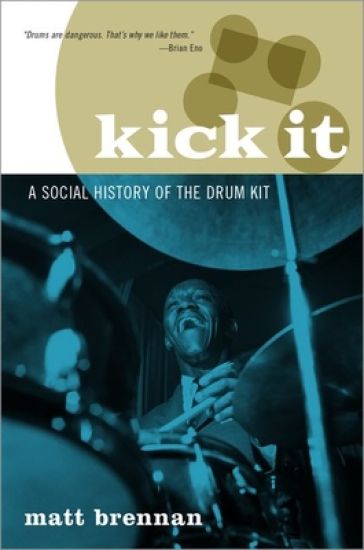
Kick It

Kick It

Matt Brennan

Oxford University Press Inc
2020
sidottu
The drum kit has provided the pulse of popular music from before the dawn of jazz up to the present day pop charts. Kick It, a provocative social history of the instrument, looks closely at key innovators in the development of the drum kit: inventors and manufacturers like the Ludwig and Zildjian dynasties, jazz icons like Gene Krupa and Max Roach, rock stars from Ringo Starr to Keith Moon, and popular artists who haven't always got their dues as drummers,such as Karen Carpenter and J Dilla. Tackling the history of race relations, global migration, and the changing tension between high and low culture, author Matt Brennan makes the case for the drum kit's role as one of the most transformative musical inventions of the modern era. Kick It shows how the drum kitand drummers helped change modern music-and society as a whole-from the bottom up.
The History of Live Music in Britain, Volume II, 1968-1984

The History of Live Music in Britain, Volume II, 1968-1984

Simon Frith; Matt Brennan; Martin Cloonan; Emma Webster

Ashgate Publishing Limited
2019
sidottu
To date, there has been a significant gap in work on the social history of music in Britain from 1950 to the present day. The three volumes of Live Music in Britain address this gap and do so through a unique prism—that of live music. The key theme of the books is the changing nature of the live music industry in the UK, focused upon popular music but including all musical genres. Via this focus, the books offer new insights into a number of other areas, including the relationship between commercial and public funding of music, changing musical fashions and tastes, the impact of changing technologies, the changing balance of power within the music industries, the role of the state in regulating and promoting various musical activities within an increasingly globalised music economy, and the effects of demographic and other social changes on music culture. Drawing on new archival research, a wide range of academic and non-academic secondary sources, participant observation and a series of interviews with key personnel, the books have the potential to become landmark works within Popular Music Studies and broader cultural history. The second volume covers the period from Hyde Park to the Hacienda (1968–84).
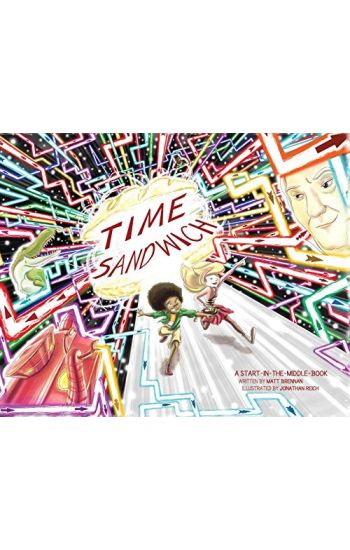
Time Sandwich

Time Sandwich

Matt Brennan

Matt Brennan
2018
sidottu
When Tuckie and Huggs discover a time machine, they have no idea of the adventures they're about to have - but their future selves do They'll travel to the past and see dinosaurs, disco and President Millard Fillmore They'll jump to the future to experience cool roller coasters, killer robots and the Time Vortex And they'll keep running into themselves along the way. Don't worry - it all makes sense in the end But will they be able to get back to their own place and time? In this unique tale, instead of starting at the beginning, the reader starts in the middle of the book. As our heroes travel forwards and backwards in time, the reader flips pages forwards and backwards, following timelines, to keep up with them.
When Genres Collide

When Genres Collide

Matt Brennan

Bloomsbury Academic USA
2017
sidottu
Winner of the IASPM Canada Book Prize 2019Honorable Mention for PROSE Award for Excellence in Music and the Performing Arts 2018When Genres Collide is a provocative history that rethinks the relationship between jazz and rock through the lens of the two oldest surviving and most influential American popular music periodicals: Down Beat and Rolling Stone. Writing in 1955, Duke Ellington argued that the new music called rock ‘n’ roll “is the most raucous form of jazz, beyond a doubt.” So why did jazz and rock subsequently become treated as separate genres? The rift between jazz and rock (and jazz and rock scholarship) is based on a set of received assumptions about their fundamental differences, but there are other ways popular music history could have been written. By offering a fresh examination of key historical moments when the trajectories and meanings of jazz and rock intersected, overlapped, or collided, it reveals how music critics constructed an ideological divide between jazz and rock that would be replicated in American musical discourse for decades to follow. Recipient of and Honorable Mention in the PROSE Award, Music & the Performing Arts 2018.
When Genres Collide

When Genres Collide

Matt Brennan

Bloomsbury Academic USA
2017
nidottu
Winner of the IASPM Canada Book Prize 2019Honorable Mention for PROSE Award for Excellence in Music and the Performing Arts 2018When Genres Collide is a provocative history that rethinks the relationship between jazz and rock through the lens of the two oldest surviving and most influential American popular music periodicals: Down Beat and Rolling Stone. Writing in 1955, Duke Ellington argued that the new music called rock ‘n’ roll “is the most raucous form of jazz, beyond a doubt.” So why did jazz and rock subsequently become treated as separate genres? The rift between jazz and rock (and jazz and rock scholarship) is based on a set of received assumptions about their fundamental differences, but there are other ways popular music history could have been written. By offering a fresh examination of key historical moments when the trajectories and meanings of jazz and rock intersected, overlapped, or collided, it reveals how music critics constructed an ideological divide between jazz and rock that would be replicated in American musical discourse for decades to follow. Recipient of and Honorable Mention in the PROSE Award, Music & the Performing Arts 2018.
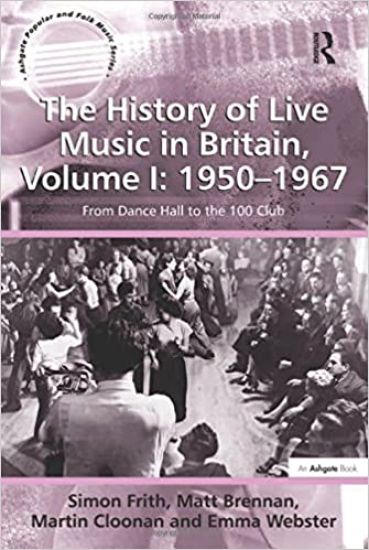
The History of Live Music in Britain, Volume I: 1950-1967

The History of Live Music in Britain, Volume I: 1950-1967

Simon Frith; Matt Brennan; Martin Cloonan; Emma Webster

Routledge
2016
nidottu
The social history of music in Britain since 1950 has long been the subject of nostalgic articles in newspapers and magazines, nostalgic programmes on radio and television and collective memories on music websites, but to date there has been no proper scholarly study. The three volumes of The History of Live Music in Britain address this gap, and do so from the unique perspective of the music promoter: the key theme is the changing nature of the live music industry. The books are focused upon popular music but cover all musical genres and the authors offer new insights into a variety of issues, including changes in musical fashions and tastes; the impact of developing technologies; the balance of power between live and recorded music businesses; the role of the state as regulator and promoter; the effects of demographic and other social changes on music culture; and the continuing importance of do-it-yourself enthusiasts. Drawing on archival research, a wide range of academic and non-academic secondary sources, participant observation and industry interviews, the books are likely to become landmark works within Popular Music Studies and broader cultural history.
The History of Live Music in Britain, Volume I: 1950-1967

The History of Live Music in Britain, Volume I: 1950-1967

Simon Frith; Matt Brennan; Martin Cloonan; Emma Webster

Ashgate Publishing Limited
2013
sidottu
The social history of music in Britain since 1950 has long been the subject of nostalgic articles in newspapers and magazines, nostalgic programmes on radio and television and collective memories on music websites, but to date there has been no proper scholarly study. The three volumes of The History of Live Music in Britain address this gap, and do so from the unique perspective of the music promoter: the key theme is the changing nature of the live music industry. The books are focused upon popular music but cover all musical genres and the authors offer new insights into a variety of issues, including changes in musical fashions and tastes; the impact of developing technologies; the balance of power between live and recorded music businesses; the role of the state as regulator and promoter; the effects of demographic and other social changes on music culture; and the continuing importance of do-it-yourself enthusiasts. Drawing on archival research, a wide range of academic and non-academic secondary sources, participant observation and industry interviews, the books are likely to become landmark works within Popular Music Studies and broader cultural history.