
Kirjojen hintavertailu – 12 859 829 kirjaa ja 27 kauppaa

Kirjailija

Matthew Johnson

Kirjat ja teokset yhdessä paikassa: 42 kirjaa, julkaisuja vuosilta 1995–2026, suosituimpiin kuuluu Two Doting Dads. Vertaile teosten hintoja ja tarkista saatavuus suomalaisista kirjakaupoista.

42 kirjaa

Kirjojen julkaisuvuodet: 1995–2026.

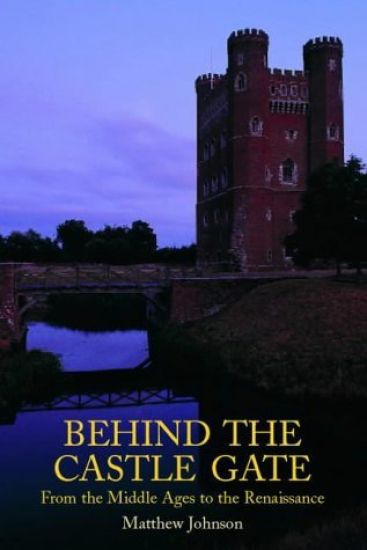
Behind the Castle Gate

Behind the Castle Gate

Matthew Johnson

Routledge
2002
nidottu
In this engaging book Matthew Johnson looks 'behind the castle gate' to discover the truth about castles in England at the end of the Middle Ages. Traditional studies have seen castles as compromises between the needs of comfort and of defence, and as statements of wealth or power or both. By encouraging the reader to view castles in relation to their inhabitants, Matthew Johnson uncovers a whole new vantage point. He shows how castles functioned as stage-settings against which people played out roles of lord and servant, husband and wife, father and son. Building, rebuilding and living in a castle was as complex an experience as a piece of medieval art. Behind the Castle Gate brings castles and their inhabitants alive. Combining ground-breaking scholarship with fascinating narratives it will be read avidly by all with an interest in castles.
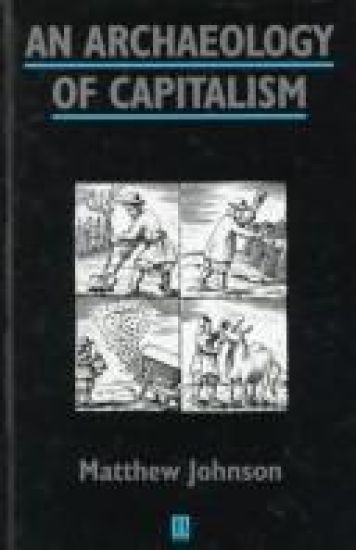
An Archaeology of Capitalism

An Archaeology of Capitalism

Matthew Johnson

Blackwell Publishers
1995
nidottu
An Archaeology of Capitalism offers an account of landscape and material culture from the later Middle Ages to the beginnings of the Industrial Revolution. In tracing some of the roots of modernity back to the transformation of the countryside, this book seeks an innovative understanding of the transition between feudalism and capitalism, and does so through a unique synthesis of archaeology, economic, social and cultural history, historical geography and architectural history. Medieval and early modern archaeology has in the past focused on small-scale empirical contributions to the study of the period. The approach taken here is both wider-ranging and more ambitious. The author breaks down the dividing lines between archaeological and documentary evidence to provide a vivid reconstruction of pre-industrial material life and of the social and mental processes that came together in the post-medieval period in the transition towards modernity. Matthew Johnson is careful to avoid a simplifying evolutionary explanation, but rather sees the period in terms of a diversity of social and material practices evident in material traces - traces that survive and that, when reused in different contexts, came to mean different things.