Kirjojen hintavertailu – 12 874 891 kirjaa ja 26 kauppaa

Kirjailija

Matthew Lipman

Kirjat ja teokset yhdessä paikassa: 9 kirjaa, julkaisuja vuosilta 1978–2019, suosituimpiin kuuluu Lisa. Vertaile teosten hintoja ja tarkista saatavuus suomalaisista kirjakaupoista.

9 kirjaa

Kirjojen julkaisuvuodet: 1978–2019.

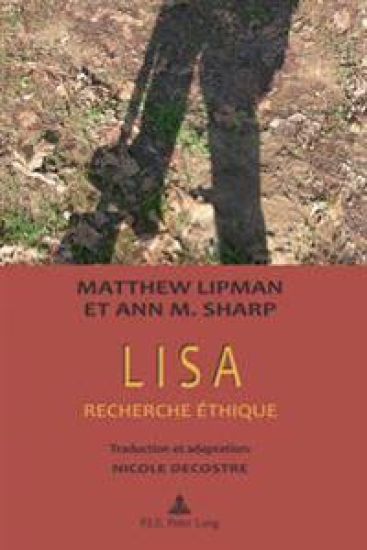
Lisa

Lisa

Ann Margaret Sharp; Matthew Lipman

European Interuniversity Press
2011
nidottu
" Cultivons notre jardin ! " ecrivait Voltaire. Notre jardin ethique en particulier, car l'ethique s'invite au coeur de notre vie quotidienne comme dans les grands problemes de l'Humanite, en tous temps, en tous lieux, en toutes circonstances. La methode ici exposee cherche a donner des pistes d'interrogation et de travail sur la recherche ethique. Sous la forme d'un manuel, cet ouvrage donne les cles necessaires pour apprehender toute problematique educative, en famille comme a l'ecole, au travail comme dans les loisirs. On trouvera une illustration de la recherche ethique a travers le roman Lisa, edite en parallele chez PIE Peter Lang, qui rend compte des aventures d'une jeune adolescente curieuse et volontaire.
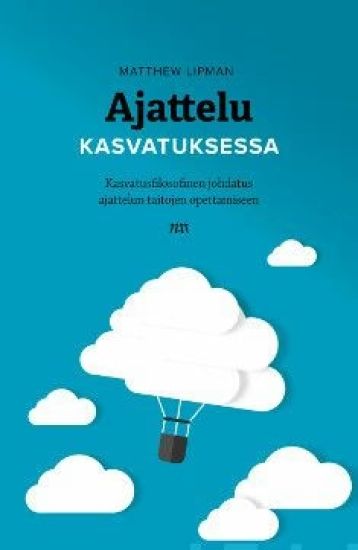
Ajattelu kasvatuksessa

Ajattelu kasvatuksessa

Matthew Lipman

Eurooppalaisen filosofian seura
2019
nidottu

Halvin toimitettuna 31,30 €

Hyvä kasvatus johdattaa kasvatettavia itsenäistymään ja ajattelemaan maailmaa omakohtaisesti. Ajatteleminen ei kuitenkaan ole yksinkertainen asia vaan monien ilmiöiden, toimien ja valmiuksien verkosto. Kasvatusfilosofian tärkeimpiin nykyklassikoihin kuuluva Ajattelu kasvatuksessa esittelee kriittisen, luovan ja huolehtivan ajattelun piirteet ja edellytykset. Teos jäsentää ajattelemista inhimillisenä toimintana ja muotoilee ajattelun opettamisen perusteet. Yhdysvaltalaisprofessori Matthew Lipman tunnetaan parhaiten kaikkialle maailmaan levinneen filosofiaa lapsille ja nuorille -lähestymistavan (philosophy for children, P4C) isänä. Hänellä on ollut mittaamaton vaikutus nykyisiin käsityksiimme lasten ajatteluvalmiuksista ja tutkivan ajattelun opettamisesta. Tässä pääteoksessaan Lipman avaa ajattelua edistävän kasvatuksen ja opetuksen peruskysymykset monipuolisesti ja perusteellisesti mutta silti helposti lähestyttävästi.
Kio y Gus

Kio y Gus

Matthew Lipman

Ediciones Ucsh
2017
nidottu
El Programa Filosof a para Ni os, creado en 1969 por Matthew Lipman, es ampliamente reconocido en el mundo por su significativo impacto en la excelencia acad mica de ni os y adolescentes, al fomentar el pensamiento cr tico y creativo mediante el desarrollo de la comprensi n lectora, el razonamiento l gico y matem tico, la dedicaci n al trabajo y la motivaci n por el saber. Tiene un notable efecto en el desarrollo de la autoestima y favorece el respeto y la tolerancia. Las narraciones que presentamos en esta serie tocan temas de la filosof a de todos los tiempos y estimulan las preguntas y la reflexi n de los ni os y j venes lectores para invitarlos a un di logo filos fico y, mediante la gu a activa del profesor, se convierten en una herramienta atractiva y extraordinariamente eficaz para conducirlos a un nivel de comprensi n cada vez mayor sobre s mismos, sus compa eros, la sociedad y el mundo que los rodea. Kio est pasando el verano en la granja de sus abuelos y conoce a Gus, que vive en la granja vecina, y se hacen amigos. Gus es ciega y Kio trata de explicarle c mo se ven las cosas y los colores, pero Gus termina maravill ndole a l con la riqueza y precisi n que sus otros sentidos le aportan a su aprehensi n de la realidad. Estos amigos nos invitan a reflexionar sobre la percepci n, y de la mano de analog as, met foras y s miles, vamos entendiendo a la naturaleza, los animales y la ecolog a desde la perspectiva de los ni os.

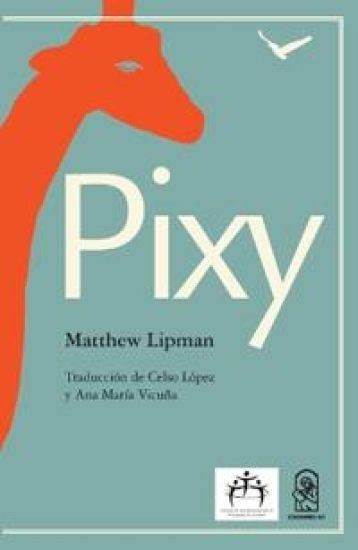
Pixy

Pixy

Matthew Lipman

Ediciones Ucsh
2017
nidottu
El Programa Filosof a para Ni os, creado en 1969 por Matthew Lipman, es ampliamente reconocido en el mundo por su significativo impacto en la excelencia acad mica de ni os y adolescentes, al fomentar el pensamiento cr tico y creativo mediante el desarrollo de la comprensi n lectora, el razonamiento l gico y matem tico, la dedicaci n al trabajo y la motivaci n por el saber. Tiene un notable efecto en el desarrollo de la autoestima y favorece el respeto y la tolerancia. Las narraciones que presentamos en esta serie tocan temas de la filosof a de todos los tiempos y estimulan las preguntas y la reflexi n de los ni os y j venes lectores para invitarlos a un di logo filos fico y, mediante la gu a activa del profesor, se convierten en una herramienta atractiva y extraordinariamente eficaz para conducirlos a un nivel de comprensi n cada vez mayor sobre s mismos, sus compa eros, la sociedad y el mundo que los rodea. Pixy es un personaje travieso y enigm tico que ni siquiera revela su nombre verdadero. Nos cuenta una historia sobre una criatura misteriosa y en el proceso se pregunta por su propia identidad, sobre lo que significa pensar, los enigmas del vocabulario, la amistad, los secretos y la comunicaci n. Las ambig edades del lenguaje le causan perplejidad y nos ayuda a comprender los s miles, las met foras y las analog as.
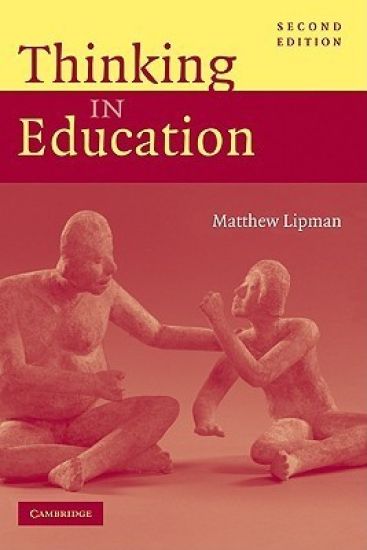
Thinking in Education

Thinking in Education

Matthew Lipman

Cambridge University Press
2003
sidottu
The first edition of Thinking in Education made a case for inserting thinking into all levels of education by infusing critical thinking into existing disciplines. Matthew Lipman, a leading education theorist, provided procedures to enable students at all levels of education to become more thoughtful, more reasonable, and more judicious. In the 12 years since the first edition was published, the author has broadened his approach to teaching thinking. While critical thinking is important and highly valuable, it is not sufficient; students must develop creative and caring thinking as well. This edition provides methods for integrating emotive experience, mental acts, thinking skills and informal fallacies into a concerted approach to the improvement of reasoning and judgment. It also shows how the community of inquiry can be utilized for the reduction of violence in the classroom and for the improvement of the education of children at risk.
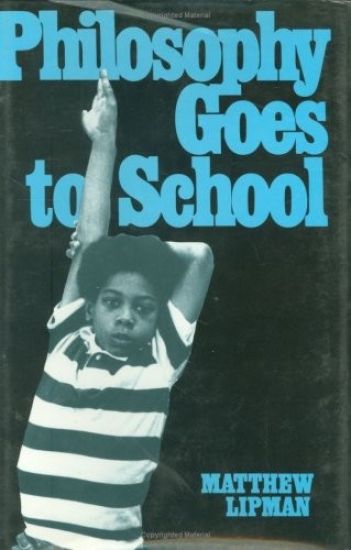
Philosophy Goes To School

Philosophy Goes To School

Matthew Lipman

Temple University Press,U.S.
1988
sidottu
Ten years ago "Philosophy in the Classroom", by Lipman, Sharp, and Oscanyan, hailed the emergence of philosophy as a novel, although in some ways highly traditional, elementary school discipline. In this sequel, Matthew Lipman examines the impact that elementary school philosophy has had, and may yet have, upon the process of education. Going beyond his earlier work to describe the contribution that training in philosophy can make in the teaching of values, he shows the applications of ethics in civics education and the ways in which aesthetics can be incorporated into areas of the curriculum related to the development of creativity. Making reference to the contemporary educational scene, Lipman compares the K-12 Philosophy for Children curriculum to the many unsatisfactory solutions being offered in our current drive for educational excellence. He addresses the relationship of elementary school philosophy to educational reform in the areas of science, language, social studies, and writing. And he shows how philosophy can be instrumental in the difficult task of teaching values to children while avoiding both ideological indoctrination and mindless relativism. Author note: Matthew Lipman, Professor of Philosophy at Montclair State College and Director of the Institute for the Advancement of Philosophy for Children, is co-author of "Philosophy in the Classroom" and "Growing Up with Philosophy" (both published by Temple).
Philosophy Goes to School

Philosophy Goes to School

Matthew Lipman

Temple University Press,U.S.
1988
pokkari
Ten years ago "Philosophy in the Classroom", by Lipman, Sharp, and Oscanyan, hailed the emergence of philosophy as a novel, although in some ways highly traditional, elementary school discipline. In this sequel, Matthew Lipman examines the impact that elementary school philosophy has had, and may yet have, upon the process of education. Going beyond his earlier work to describe the contribution that training in philosophy can make in the teaching of values, he shows the applications of ethics in civics education and the ways in which aesthetics can be incorporated into areas of the curriculum related to the development of creativity. Making reference to the contemporary educational scene, Lipman compares the K-12 Philosophy for Children curriculum to the many unsatisfactory solutions being offered in our current drive for educational excellence. He addresses the relationship of elementary school philosophy to educational reform in the areas of science, language, social studies, and writing. And he shows how philosophy can be instrumental in the difficult task of teaching values to children while avoiding both ideological indoctrination and mindless relativism. Author note: Matthew Lipman, Professor of Philosophy at Montclair State College and Director of the Institute for the Advancement of Philosophy for Children, is co-author of "Philosophy in the Classroom" and "Growing Up with Philosophy" (both published by Temple).
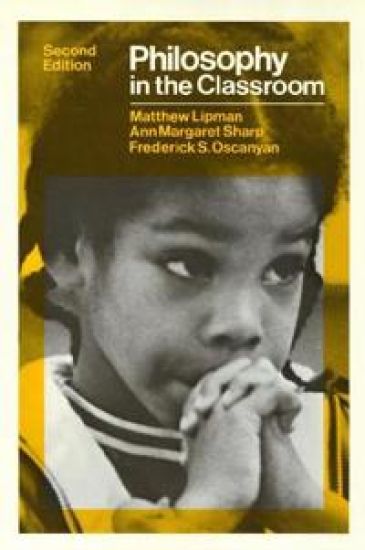
Philosophy in the Classroom

Philosophy in the Classroom

Matthew Lipman

Temple University Press,U.S.
1980
pokkari

Halvin toimitettuna 39,40 €

This is a textbook for teachers that demonstrates how philosophical thinking can be used in teaching children. It begins with the assumption that what is taught in schools is not (and should not be) subject matter but rather ways of thinking. The main point is that the classroom should be converted into a community of inquiry, and that one can begin doing that with children. Based on the curriculum that Matt Lipman has developed at the Institute for the Advancement of Philosophy for Children, which he heads, this book describes the curriculum and explains its use. The text is self-contained, however. This revision is thorough-going and incorporates new chapters, as well as new material in old chapters. Part One focuses on the need of educational change and the importance of philosophical inquiry in developing new approaches. Part Two discusses curriculum and teaching methodology, including teacher behavior conducive to helping children. Part Three deals with developing logic skills and moral judgment. It concludes with a chapter on the sorts of philosophical themes pertinent to ethical inquiry for children: the right and the fair, perfect and right, free will and determinism, change and growth, truth, caring, standards and rules, thinking and thinking for oneself. Education, in this sense, is not a matter of dispensing information; it is the process of assisting in the growth of the whole individual.