Kirjojen hintavertailu – 12 859 827 kirjaa ja 27 kauppaa

Kirjailija

Matthew Mason

Kirjat ja teokset yhdessä paikassa: 13 kirjaa, julkaisuja vuosilta 2014–2026, suosituimpiin kuuluu John Quincy Adams and the Politics of Slavery. Vertaile teosten hintoja ja tarkista saatavuus suomalaisista kirjakaupoista.

13 kirjaa

Kirjojen julkaisuvuodet: 2014–2026.

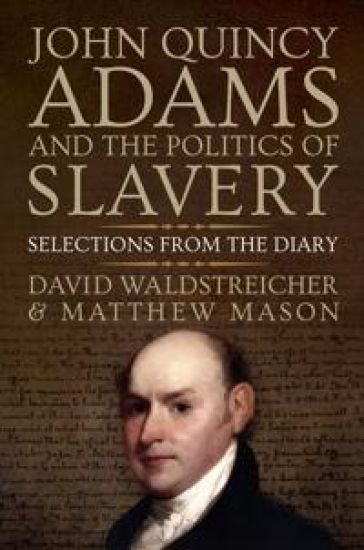
John Quincy Adams and the Politics of Slavery

John Quincy Adams and the Politics of Slavery

David Waldstreicher; Matthew Mason

Oxford University Press Inc
2019
nidottu
In the final years of his political career, President John Quincy Adams was well known for his objections to slavery, with rival Henry Wise going so far as to label him "the acutest, the astutest, the archest enemy of southern slavery that ever existed." As a young statesman, however, he supported slavery. How did the man who in 1795 told a British cabinet officer not to speak to him of "the Virginians, the Southern people, the democrats," whom he considered "in no other light than as Americans," come to foretell "a grand struggle between slavery and freedom"? How could a committed expansionist, who would rather abandon his party and lose his U. S. Senate seat than attack Jeffersonian slave power, later come to declare the Mexican War the "apoplexy of the Constitution," a hijacking of the republic by slaveholders? What changed? Entries from Adams's personal diary, more extensive than that of any American statesman, reveal a highly dynamic and accomplished politician in engagement with one of his generation's most challenging national dilemmas. Expertly edited by David Waldstreicher and Matthew Mason, John Quincy Adams and the Politics of Slavery offers an unusual perspective on the dramatic and shifting politics of slavery in the early republic, as it moved from the margins to the center of public life and from the shadows to the substance of Adams's politics. The editors provide a lucid introduction to the collection as a whole and frame the individual documents with brief and engaging insights, rendering both Adams's life and the controversies over slavery into a mutually illuminating narrative. By juxtaposing Adams's personal reflections on slavery with what he said-and did not say-publicly on the issue, the editors offer a nuanced portrait of how he interacted with prevailing ideologies during his consequential career and life. John Quincy Adams and the Politics of Slavery is an invaluable contribution to our understanding of the complicated politics of slavery that set the groundwork for the Civil War.
Hearing God's Voice in Ruth

Hearing God's Voice in Ruth

Matthew Mason

INTER-VARSITY PRESS
2026
pokkari
The book of Ruth is a mysterious and enigmatic part of the Old Testament - God seems absent, yet his people are rescued. Join Matthew Mason in discovering how, even when God seems absent, He still speaks through Scripture, in this new volume in the Hearing God's Voice commentary series. The Hearing God's Voice books are theological expositions of the Bible. That means we're reading each book of the Bible with our eyes on the Triune God and His works. The aim of each book in the series is: To present God's Word accurately and faithfully for us today To draw our gaze to God and His works in His Word To be readable! These aren't commentaries for scholars nor are they books of sermons. Our goal isn't simply to explain the text. Rather, in reading the Scriptures seriously, we want to lift our eyes to the God of Scripture, hear His voice, and gaze on His glory and grace.
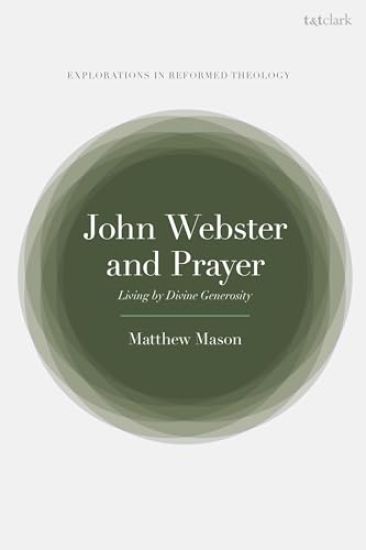
John Webster and Prayer

John Webster and Prayer

Matthew Mason

BLOOMSBURY PUBLISHING PLC
2026
sidottu
Mason carefully develops a theology of prayer that builds on the dogmatic and moral theology of one of the most significant Reformed theologians of the past 50 years: John Webster. Ambitious in scope and exacting in analysis, this volume provides a creative and constructive exploration of the theology of prayer that grows out of Webster’s theology and ethics considered as a whole. Mason offers close theological readings of Webster’s works against the backdrop of the development of his thought and his major sources in the Christian tradition. In so doing, he roots a dogmatics of prayer in various theological loci that are central to the theology of prayer and Webster’s own writings. This book pays careful attention to the doctrines of God, creation and providence, and sin and salvation, as well as to Webster’s sophisticated moral theology of creaturely agency. Central insights from Webster – in conversation with Aquinas, Barth, Calvin and Reformed scholastic sources – are brought to bear on the major components of a theology of prayer. In doing so, Mason develops a rich and detailed account of the central act of the Christian life in a way that displays the resourcefulness of Webster’s theology and ethics.
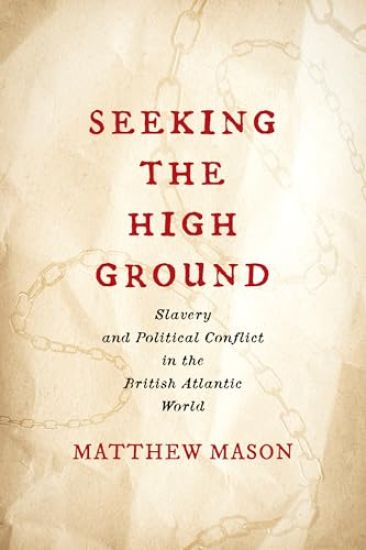
Seeking the High Ground

Seeking the High Ground

Matthew Mason

UNIVERSITY OF VIRGINIA PRESS
2025
pokkari
How American slavery engendered a new political vocabulary used on both sides of the Atlantic How is it, Samuel Johnson famously asked on the eve of the Revolution, that Americans could so vociferously demand freedom for themselves while so conspicuously continuing to deny it to those they held in slavery? With Seeking the High Ground, Matthew Mason helps answer that piercing question. As he shows, the language of slavery and freedom had long suffused Anglo-American political debates in the eighteenth century, with the Revolution emerging as one particularly hyperdramatic act during which combatants on both sides of the war of words connected the idea of slavery to the headline issues of the day. Mason details how Patriots and Loyalists alike deployed the rhetoric of slavery in their debates about all the crucial questions of the day, including republicanism, taxation and representation, and - by claiming the moral high ground - the nature of the Revolutionary War itself. These debates left complex rhetorical and political legacies for those seeking to abolish and defend slavery in both the new US and the remaining British Empire.
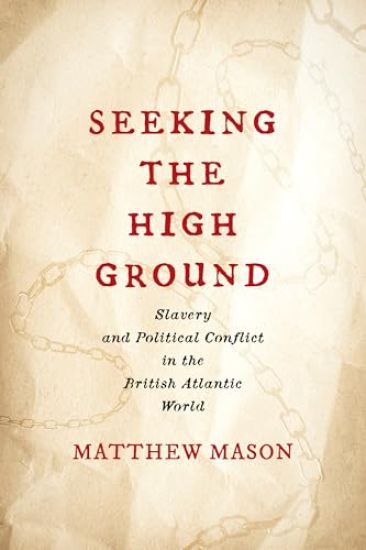
Seeking the High Ground

Seeking the High Ground

Matthew Mason

UNIVERSITY OF VIRGINIA PRESS
2025
sidottu
How American slavery engendered a new political vocabulary used on both sides of the Atlantic How is it, Samuel Johnson famously asked on the eve of the Revolution, that Americans could so vociferously demand freedom for themselves while so conspicuously continuing to deny it to those they held in slavery? With Seeking the High Ground, Matthew Mason helps answer that piercing question. As he shows, the language of slavery and freedom had long suffused Anglo-American political debates in the eighteenth century, with the Revolution emerging as one particularly hyperdramatic act during which combatants on both sides of the war of words connected the idea of slavery to the headline issues of the day. Mason details how Patriots and Loyalists alike deployed the rhetoric of slavery in their debates about all the crucial questions of the day, including republicanism, taxation and representation, and - by claiming the moral high ground - the nature of the Revolutionary War itself. These debates left complex rhetorical and political legacies for those seeking to abolish and defend slavery in both the new US and the remaining British Empire.
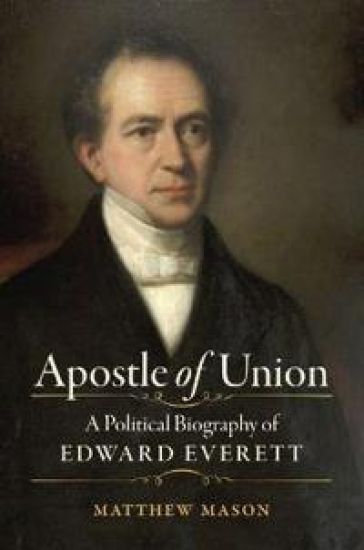
Apostle of Union

Apostle of Union

Matthew Mason

The University of North Carolina Press
2021
nidottu
Known today as "the other speaker at Gettysburg," Edward Everett had a distinguished and illustrative career at every level of American politics from the 1820s through the Civil War. In this new biography, Matthew Mason argues that Everett's extraordinarily well-documented career reveals a complex man whose shifting political opinions, especially on the topic of slavery, illuminate the nuances of Northern Unionism. In the case of Everett--who once pledged to march south to aid slaveholders in putting down slave insurrections--Mason explores just how complex the question of slavery was for most Northerners, who considered slavery within a larger context of competing priorities that alternately furthered or hindered antislavery actions. By charting Everett's changing stance toward slavery over time, Mason sheds new light on antebellum conservative politics, the complexities of slavery and its related issues for reform-minded Americans, and the ways in which secession turned into civil war. As Mason demonstrates, Everett's political and cultural efforts to preserve the Union, and the response to his work from citizens and politicians, help us see the coming of the Civil War as a three-sided, not just two-sided, contest.
Bulletin of Ecclesia Theology, Vol. 4.2: Essays on the Doctrine of Creation

Bulletin of Ecclesia Theology, Vol. 4.2: Essays on the Doctrine of Creation

Jarrod M. Longbons; Jeremy R. Mann; Matthew Mason

Createspace Independent Publishing Platform
2017
nidottu
The essays in this second issue of the fourth volume of the Bulletin of Ecclesial Theology are also drawn from papers read at theological symposia in August 2015, October 2015, and June 2016 hosted by the Center For Pastor Theologians in Oak Park, IL. These meetings brought together clergy from various denominational backgrounds within the evangelical Christian tradition to discuss and explore the timely question of the relationship between faith and science. Essay contributors in the issue include Jarrod M. Longbons, Jeremy R. Mann, Matthew Mason, and Benjamin D. Espinoza. Book reviews in this issue will likewise focus both on both contemporary and classic works relating to science, as well as the intersection between faith and science.
John Quincy Adams and the Politics of Slavery

John Quincy Adams and the Politics of Slavery

David Waldstreicher; Matthew Mason

Oxford University Press Inc
2017
sidottu
John Quincy Adams's remarkable diary is an unusually accessible window into the thinking of a president long before, during, and well after his own administration. It is enormous in scope--examining all subjects that came to Adams's interest and stretching from the late 1780s to his death in 1848. David Waldstreicher and Matthew Mason produce an edition of the diary that is not only of accessible length but also focused on one issue: the politics of slavery. Adams's long journey from nationalist diplomacy to culture war with the southern plantocracy is not well understood. How did the man who in 1795 told a British cabinet officer not to speak to him of the Virginians, the Southern people, the democrats, whom he considered in no other light than as Americans, come to predict a grand struggle between slavery and freedom? How could an expansionist who had left his party and lost his U. S. Senate seat rather than attack the Jeffersonian slave power, later come to declare the Mexican War the apoplexy of the Constitution, a hijacking of the republic by slaveholders? What changed? Entries in the diary touching on the politics of slavery increased over time and reflect national events as well as Adams' changes in attitude. The diary enables the reader to perceive and weigh the relative importance and interaction of ideology, politics, and personal ambition in one highly consequential life. The editors provide a lucid introduction to the collection as a whole and illuminate the individual documents with brief and engaging comments, deftly placing Adams's public statements alongside his private reflections. By juxtaposing Adams's personal reflections on slavery with what he said--and did not say--publicly on the issue, the editors offer a unique perspective on a topic historians of the early republic, and especially of Jacksonian democracy, have trouble integrating into their stories: the complicated politics of slavery.
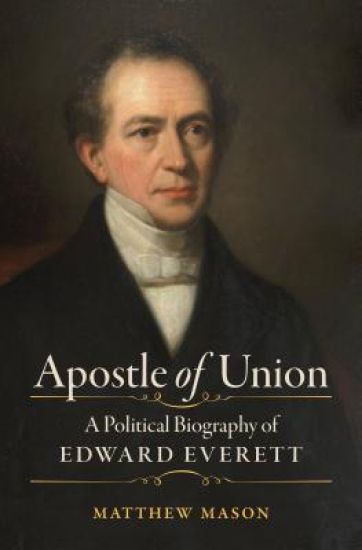
Apostle of Union

Apostle of Union

Matthew Mason

The University of North Carolina Press
2016
sidottu
Known today as "the other speaker at Gettysburg," Edward Everett had adistinguished and illustrative career at every level of American politics fromthe 1820s through the Civil War. In this new biography, Matthew Masonargues that Everett's extraordinarily well-documented career reveals a complexman whose shifting political opinions, especially on the topic of slavery,illuminate the nuances of Northern Unionism. In the case of Everett-whoonce pledged to march south to aid slaveholders in putting down slave insurrections-Mason explores just how complex the question of slavery was formost Northerners, who considered slavery within a larger context of competingpriorities that alternately furthered or hindered antislavery actions. By charting Everett's changing stance toward slavery over time, Masonsheds new light on antebellum conservative politics, the complexities ofslavery and its related issues for reform-minded Americans, and the waysin which secession turned into civil war. As Mason demonstrates, Everett'spolitical and cultural efforts to preserve the Union, and the response to hiswork from citizens and politicians, help us see the coming of the Civil Waras a three-sided, not just two-sided, contest.