

Kirjailija
Matthew Roberts
Kirjat ja teokset yhdessä paikassa: 13 kirjaa, julkaisuja vuosilta 2008–2025, suosituimpiin kuuluu Chronic Pain Help Guide. Vertaile teosten hintoja ja tarkista saatavuus suomalaisista kirjakaupoista.
13 kirjaa
Kirjojen julkaisuvuodet: 2008–2025.
Tervetuloa Pohjoismaiden suurimpaan verkkokirjakauppaan! Adlibris kannattaa sananvapautta, ja haluamme edistää kirjallisuuden ja tiedon saatavuutta.

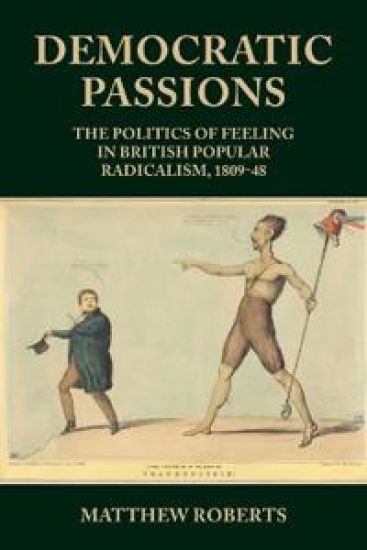
This book challenges the assumption – just as alive today as it was in the nineteenth century – that the political sphere was an arena of reason in which feelings had no part to play. It shows that feelings were a central, albeit contested, aspect of the political culture of the period. Radical leaders were accused of inflaming the passions; the state and its propertied supporters were charged with callousness; radicals grounded their claims to citizenship in the universalist assumption that workers had the same capacity for feeling as their social betters (denied at this time). It sheds new light on the relationship between protest movements and the state by showing how one of the central issues at stake in the conflict between radicals and their oppressors was the feelings of the propertied classes.

My First Horse and Pony Care Book: From Boots and Bedding to Saddles and Stables
Judith Draper; Elwyn Hartley Edwards; Matthew Roberts
KINGFISHER
2023
sidottu
This informative guide to horse and pony care is ideal for budding equestrians as well as those who dream of owning their own horse. Packed with top tips, safety hints, and step-by-step instructions, this book ensures that young readers have the knowledge they need to keep a horse well fed and clean, happily stabled and healthy. Learn useful tips for grooming and bathing your pony, and important etiquette when you are out for a ride. Award-winning author Judith Draper clearly explains every aspect of horse care, from feeding and grooming to tack cleaning and first aid. The accessible text is brought to life by vivid photography, providing a handy reference for young horse and pony enthusiasts.
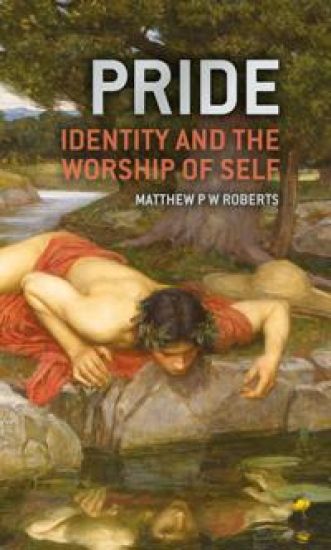
A study of identity politics through a biblical lens, looking at idolatry of the self and the elevations of sexual identity. Our culture is obsessed with identity and it has been the cause of tense interaction with (and within) the Church. Rather than being a new challenge to the Christian faith, however, the identity issue is a very old one; it is fundamentally one of idolatry. Who we are, who we think we are, and how God in Christ restores our knowledge of ourselves in covenant with him, are central Biblical themes. But these things will only appear with clarity if we have the courage to tackle the idolatries of our own age at the root, and stand true to our calling as Christians to worship God and him alone.
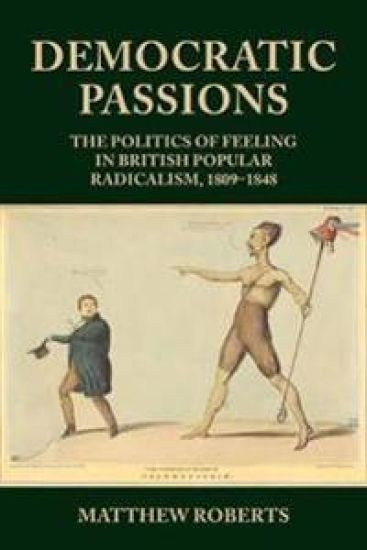
This book challenges the assumption – just as alive today as it was in the nineteenth century – that the political sphere was an arena of reason in which feelings had no part to play. It shows that feelings were a central, albeit contested, aspect of the political culture of the period. Radical leaders were accused of inflaming the passions; the state and its propertied supporters were charged with callousness; radicals grounded their claims to citizenship in the universalist assumption that workers had the same capacity for feeling as their social betters (denied at this time). It sheds new light on the relationship between protest movements and the state by showing how one of the central issues at stake in the conflict between radicals and their oppressors was the feelings of the propertied classes.
Chartism, the British mass movement for democratic and social rights in the 1830s and 1840s, was profoundly shaped by the radical tradition from which it emerged. Yet, little attention has been paid to how Chartists saw themselves in relation to this diverse radical tradition or to the ways in which they invented their own tradition. Paine, Cobbett and other ‘founding fathers’, dead and alive, were used and in some cases abused by Chartists in their own attempts to invent a radical tradition. By drawing on new and exciting work in the fields of visual and material culture; cultures of heroism, memory and commemoration; critical heritage studies; and the history of political thought, this book explores the complex cultural work that radical heroes were made to perform.
Chartism, the British mass movement for democratic and social rights in the 1830s and 1840s, was profoundly shaped by the radical tradition from which it emerged. Yet, little attention has been paid to how Chartists saw themselves in relation to this diverse radical tradition or to the ways in which they invented their own tradition. Paine, Cobbett and other ‘founding fathers’, dead and alive, were used and in some cases abused by Chartists in their own attempts to invent a radical tradition. By drawing on new and exciting work in the fields of visual and material culture; cultures of heroism, memory and commemoration; critical heritage studies; and the history of political thought, this book explores the complex cultural work that radical heroes were made to perform.
After the discovery of nine permanently unconscious people at a snowed-in tavern, the small town of Comatose seems entirely indifferent. With the town's police force woefully unprepared to tackle the enigma, the Mayor enlists the help of the Academy, an affluent university with a distinguished forensics team, and Paragon Private Investigations, an independent firm. But as citizens continue to fall prey to an invisible scourge and the Academy seems to only grow more powerful, it's up to Mayor Kaufmann, Melissa McCain of Paragon, and her assistant Calvin to uncover a conspiracy miles deep while Comatose plunges into chaos amidst a deadly marriage of fear and social engineering. Comatose is a fateful exploration on the effects of ignorance when vigilance is needed most and the fundamental flaws of isolating oneself from truth.
When a modern luxury liner, The Escapade, sets sail into the unexplored jungle, the expensive guests feel they are bordering on unquenchable pleasure. But as people begin to meet sudden death, the passengers are thrust into a position where their lives are endangered by the presence of a silent murderer among them. Trapped between the insanity of a killer and the hysteria of self-preservation, society crumbles and life becomes a desperate bid for survival.
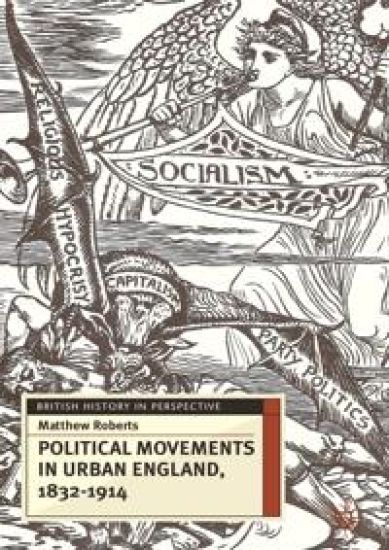
A critical introduction to the mass political movements that came of age in urban England between the Great Reform Act of 1832 and the start of World War One. Roberts provides a guide to the new approaches to topics such as Chartism, parliamentary reform, Gladstonian Liberalism, popular Conservatism and the independent Labour movement.
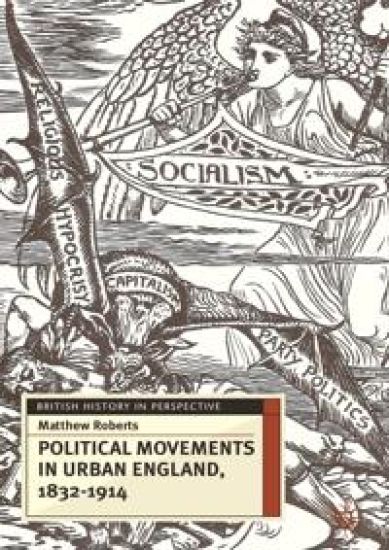
A critical introduction to the mass political movements that came of age in urban England between the Great Reform Act of 1832 and the start of World War One. Roberts provides a guide to the new approaches to topics such as Chartism, parliamentary reform, Gladstonian Liberalism, popular Conservatism and the independent Labour movement.