Kirjojen hintavertailu – 12 859 828 kirjaa ja 27 kauppaa

Kirjailija

Maureen Cox

Kirjat ja teokset yhdessä paikassa: 15 kirjaa, julkaisuja vuosilta 1996–2021, suosituimpiin kuuluu Music Theory is Fun. Vertaile teosten hintoja ja tarkista saatavuus suomalaisista kirjakaupoista.

15 kirjaa

Kirjojen julkaisuvuodet: 1996–2021.
Getting on Track with English

Getting on Track with English

Maureen Cox

Mimast Inc
2021
pokkari
Are you a teacher or a parent helping someone, young or not so young, to learn English? Then this essential guide by Maureen Cox will help you to use systematic phonics - the best way to learn to read, to say and to spell words in English. This book is in two parts. The first part is for the teacher or parent. It containsa copy of 27 worksheets for studentscomments and helpful suggestions for each worksheeta copy of the 27 lists of 50 words on each worksheetMaureen introduces, in logical order, and explainsLeft to Right Sequencing skillsShort and Long vowelsConsonant BlendsConsonant DigraphsSyllablesThe second part is for the student. It contains27 detachable worksheets27 pages of lined paper27 matching alphabetical word listsAdditional copies of the student worksheets with word lists are separately available for purchase on Amazon. Maureen Cox is a published author and an experienced and highly respected teacher. Her book, Harmony is Fun, and her series of books, Music Theory is Fun, are widely used and available on Amazon.
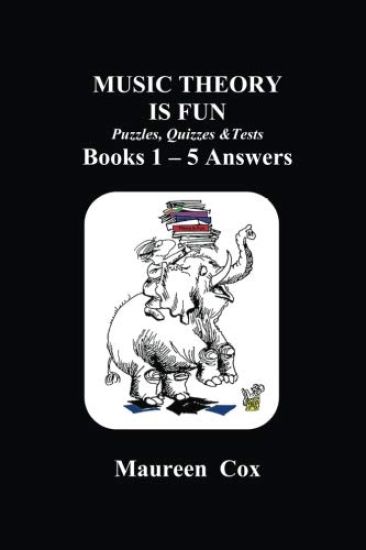
MUSIC THEORY IS FUN Puzzles, Quizzes & Tests Books 1 - 5 Answers
Music Theory is Fun Books 1 to 5, is the newly revised series by Maureen Cox. Using an attractive layout with clear examples and illustrations together with activities to reinforce learning and understanding, the books cover in an easy step-by-step approach: notes, rests, simple, compound and irregular time signaturesbeaming and grouping of notes and reststones, semitones, keyboard, clefs and key signaturesall major, relative harmonic and melodic minor keysscales - major, minor (ascending - descending) and chromaticmajor, minor, perfect, augmented and diminished intervalsopen and closed chords, root, 1st and 2nd inversionsperfect, imperfect and plagal cadencesornaments - acciaccatura, appoggiatura, mordents turns and trillsinstruments of the orchestra, concert pitch and clef charttransposition - hints and rulesshort and open scorescomposing a melody and writing rhythmsIn response to popular demand, Maureen Cox has added at the end of each book a collection of puzzles and quizzes and a set of ten one-page tests of questions typically encountered in exams. This book gives you the answers to those puzzles, quizzes and test questions.
Music Theory is Fun

Music Theory is Fun

Maureen Cox

Mimast Inc
2018
pokkari
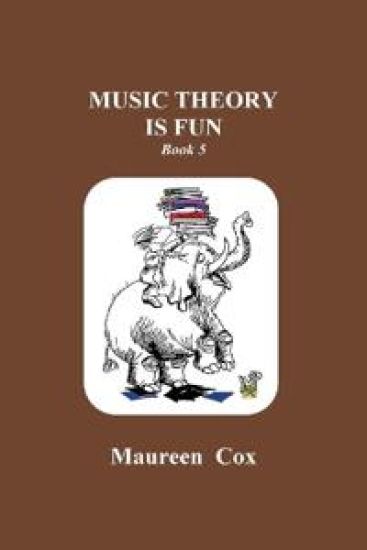
Music Theory is Fun Book 5, is the fifth and last in the newly revised five-book series by Maureen Cox. Using an attractive layout with clear examples and illustrations together with activities to reinforce learning and understanding, this book covers in an easy step-by-step approach: Key signatures to 7 sharps or flatsTenor clef and scalesCompound intervals: major, minor, perfect, diminished & augmentedIrregular time signatures, quintuple & septupleTonic, super-tonic, subdominant & dominant chordsWriting at concert pitchShort & open scoreOrchestral instrumentsComposing a melodyPerfect, imperfect & plagal cadences. At the end of the book there is a dictionary of musical terms and signs. In response to popular demand, Maureen Cox has added a new feature: a collection of puzzles and quizzes and a set of ten one-page tests of questions typically encountered in exams. A separate book of answers to the puzzles, quizzes and test questions is available.
Music Theory is Fun

Music Theory is Fun

Maureen Cox

Mimast Inc
2018
pokkari
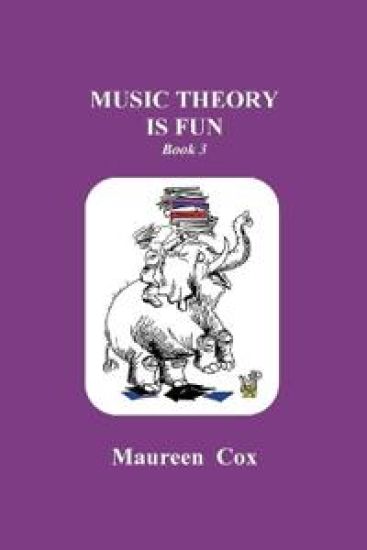
Music Theory is Fun Book 3, is the third in the five-book series by Maureen Cox, newly revised to include North American terms. Using an attractive layout with clear examples and illustrations together with activities to reinforce learning and understanding, this book covers in an easy step-by-step approach: Major & minor key signatures 4 sharps or flatsHarmonic and melodic minor scalesDegrees of the scale, intervals, tonic triadsSimple and compound time signaturesGrouping notes & restsTransposition at the octaveMore than two ledger linesWriting four-bar rhythms, anacrusisPhrasesAt the end of the book there is a dictionary of musical terms and signs. In response to popular demand, Maureen Cox has added a new feature: a collection of puzzles and quizzes and a set of ten one-page tests of questions typically encountered in exams. A separate book of answers to the puzzles, quizzes and test questions is available.
Music Theory is Fun

Music Theory is Fun

Maureen Cox

Mimast Inc
2018
pokkari
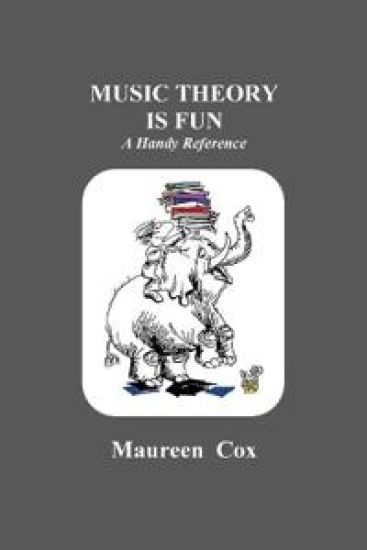
In an attractive layout with clear examples and illustrations, Music Theory is Fun: A Handy Reference is a quick revision guide to the essential topics covered in the five-book Music Theory is Fun series by Maureen Cox. This reference book includes: notes, rests, simple, compound and irregular time signaturesbeaming and grouping of notes and reststones, semitones, keyboard, clefs and key signaturesall major, relative harmonic and melodic minor keysscales - major, minor (ascending - descending) and chromaticmajor, minor, perfect, augmented and diminished intervalsopen and closed chords, root, 1st and 2nd inversionsperfect, imperfect and plagal cadencesornaments - acciaccatura, appoggiatura, mordents turns and trillsinstruments of the orchestra, concert pitch and clef charttransposition - hints and rulesshort and open scorescomposing a melody and writing rhythmsThere is also a dictionary of over 250 French, German and Italian musical terms, including common alternative terms, and a list of signs. Music Theory is Fun: A handy Reference by Maureen Cox is an essential reference for anyone learning to sing or to play an instrument, studying the theory of music or revising for examinations. It is a welcome companion to her Music Theory is Fun series.
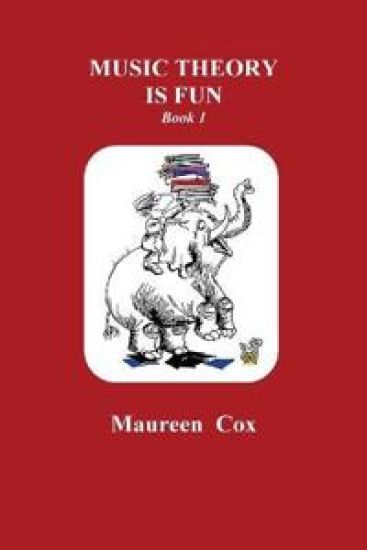
Music Theory Is Fun Book 1

Music Theory Is Fun Book 1

Maureen Cox

Mimast
2018
nidottu
Music Theory is Fun Book 1, is the first in the newly revised five-book series by Maureen Cox that now also includes American musical terms. Using an attractive layout with clear examples and illustrations together with activities to reinforce learning and understanding, this book covers in an easy step-by-step approach: Treble clef, bass clef, notes and letter namesTime names and valuesDotted notes, tied notes and restsAccidentals, tones and semitonesKey signatures and scalesDegrees of the scale, intervals and tonic triadsTime signatures and bar linesWriting music and answering rhythmsAt the end of the book there is a dictionary of musical terms and signs. In response to popular demand, Maureen Cox has added a new feature: a collection of puzzles and quizzes and a set of ten one-page tests of questions typically encountered in exams. A separate book of answers to the puzzles, quizzes and test questions is available.
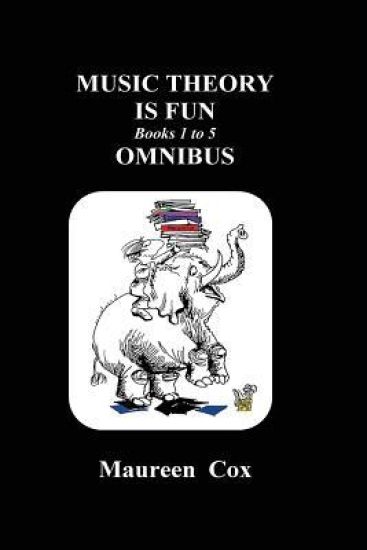
Music Theory is Fun Books 1 to 5 Omnibus
This omnibus edition provides, in one volume, the complete set of five separately published books Music Theory is Fun by Maureen Cox. Her Music Theory is Fun Puzzles, Quizzes & Tests Books 1 to 5 Answers for all five books is an essential companion. This omnibus edition provides a convenient step-by-step, easy to follow course for anyone learning to sing or to play an instrument, studying the theory of music or revising for examinations. The five books cover: key signaturesscales - major, harmonic & melodic minor, chromaticregular and irregular time signatures and rhythmsintervals and chordsperfect, imperfect and plagal cadencesconcert pitch & transpositionshort & open scoreaccidentals & ornamentscomposing a melody for instrument or voiceinstruments of the orchestra;At the end of the omnibus there is a full dictionary of French, German and Italian musical terms as well as common alternative terms, and a list of signs.
Teaching Young Children to Draw

Teaching Young Children to Draw

Grant B Cooke; Grant Cooke; Maureen V Cox; Maureen Cox; Deirdre Griffin
Routledge
2017
sidottu
Now that art is a National Curriculum subject, teachers are looking for useful approaches to the teaching of art. This book offers an approach that has been developed by the three authors and has been shown, through research in schools, to improve
Drawings of People by the Under-5s

Drawings of People by the Under-5s

Maureen V Cox; Maureen Cox

Routledge
2017
sidottu
This work traces the development of the human figure in children's drawings, showing how children add to and alter their figures as they get older and more skilful. It discusses why children's drawings often seem so bizarre to adults, revealing what these figures tell as about the child's Intelligence Or Emotional Stability.; The Book Is Based In Examples From hundreds of children, but concentrates on a particular set of drawings gathered from one group of children attending a nursery. Also featured are drawings by children with learning difficulties, so that readers may see and learn from the different developmental patterns in the drawing of human figures. Additionally, the book makes comparisons of drawings by children in different cultures.
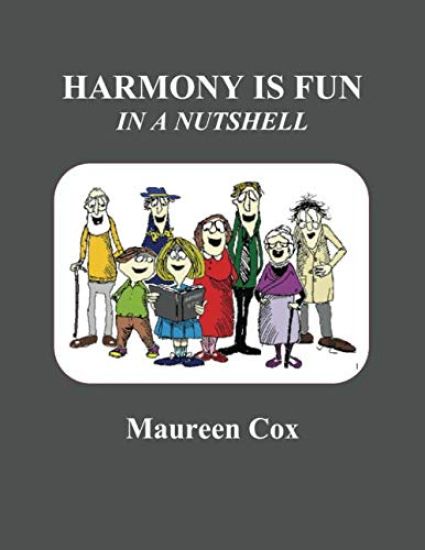
Harmony Is Fun in a Nutshell

Harmony Is Fun in a Nutshell

Maureen Cox

Mimast Inc
2015
nidottu
In HARMONY IS FUN IN A NUTSHELL, her latest book on harmony at the keyboard, MAUREEN COX, guides you in a step-by-step, easy way to master the following topics: tonic, dominant and subdominant chordssupertonic, mediant and submediant chordschords in root position, first and second inversiondominant 7th chord and its third inversionchords spread between treble and bass clefblock and broken chordsmajor and relative minor keys up to 4 sharps or 4 flatsmajor, harmonic and melodic minor scalessubstituting chords II, III & VI for IV, V & Iresolvingperfect, imperfect and plagal cadencesmelodic decoration: essential and unessential notespassing and auxiliary notesbinding notesmodulationchord progression and fingeringthe magic circle of keysThis book is for anyone who wants to have fun learning to harmonise at the keyboard because HARMONY IS FUN with best-selling author, MAUREEN COX. MAUREEN COX is the author of the best-selling series of five books entitled THEORY IS FUN Grades 1 to 5 and THEORY IS FUN IN A NUTSHELL
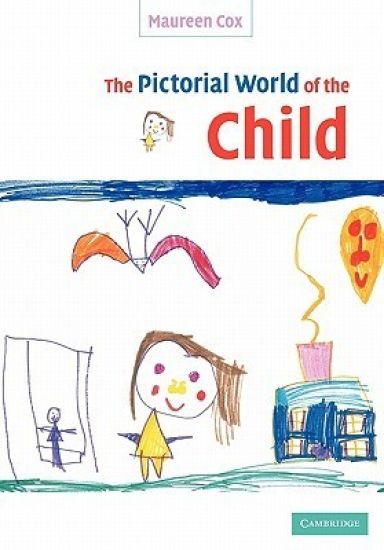
The Pictorial World of the Child

The Pictorial World of the Child

Maureen Cox

Cambridge University Press
2005
pokkari
In this lavishly illustrated book, Maureen Cox gives a comprehensive and scholarly account of children's understanding and appreciation of art and their developing ability to produce their own pictures. She discusses the main influences on children's picture-making, including the popular media, adults' examples and other children's pictures. As well as discussing the artistic development of typically developing children, the book also includes a discussion of children with intellectual disabilities and those with a talent for art, some of whom are children with autism. We tend to think of pictures as a strictly visual medium, but the section on blind children's ability to recognise pictures challenges this assumption. Cox evaluates the way that various professional groups use children's pictures, for example to aid recall of past events. Finally, she discusses the art curricula in different countries and different educational philosophies and suggests ways in which these different approaches could be evaluated.
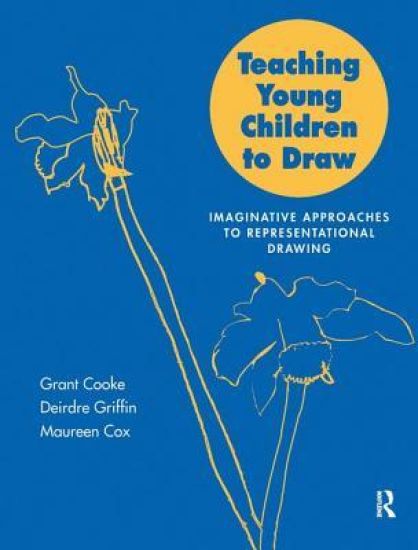
Teaching Young Children to Draw

Teaching Young Children to Draw

Grant B Cooke; Grant Cooke; Maureen V Cox; Maureen Cox; Deirdre Griffin
Routledge Falmer
1997
nidottu
Now that art is a National Curriculum subject, teachers are looking for useful approaches to the teaching of art. This book offers an approach that has been developed by the three authors and has been shown, through research in schools, to improve
Drawings of People by the Under-5s

Drawings of People by the Under-5s

Maureen V Cox; Maureen Cox

Routledge Falmer
1996
nidottu
This work traces the development of the human figure in children's drawings, showing how children add to and alter their figures as they get older and more skilful. It discusses why children's drawings often seem so bizarre to adults, revealing what these figures tell as about the child's Intelligence Or Emotional Stability.; The Book Is Based In Examples From hundreds of children, but concentrates on a particular set of drawings gathered from one group of children attending a nursery. Also featured are drawings by children with learning difficulties, so that readers may see and learn from the different developmental patterns in the drawing of human figures. Additionally, the book makes comparisons of drawings by children in different cultures.