Kirjojen hintavertailu – 12 859 828 kirjaa ja 27 kauppaa

Kirjailija

Maureen V Cox

Kirjat ja teokset yhdessä paikassa: 6 kirjaa, julkaisuja vuosilta 1993–2017, suosituimpiin kuuluu Teaching Young Children to Draw. Vertaile teosten hintoja ja tarkista saatavuus suomalaisista kirjakaupoista.

Nimi esiintyy myös muodoissa: Maureen V. Cox

6 kirjaa

Kirjojen julkaisuvuodet: 1993–2017.

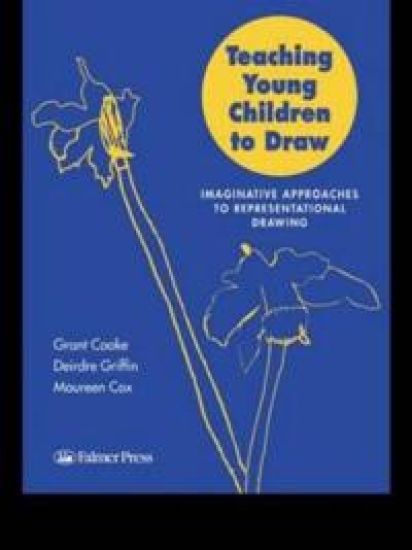
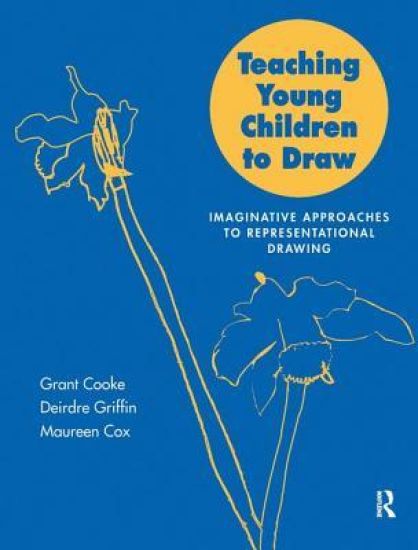
Teaching Young Children to Draw

Teaching Young Children to Draw

Grant B Cooke; Grant Cooke; Maureen V Cox; Maureen Cox; Deirdre Griffin

Routledge
2017
sidottu
Now that art is a National Curriculum subject, teachers are looking for useful approaches to the teaching of art. This book offers an approach that has been developed by the three authors and has been shown, through research in schools, to improve
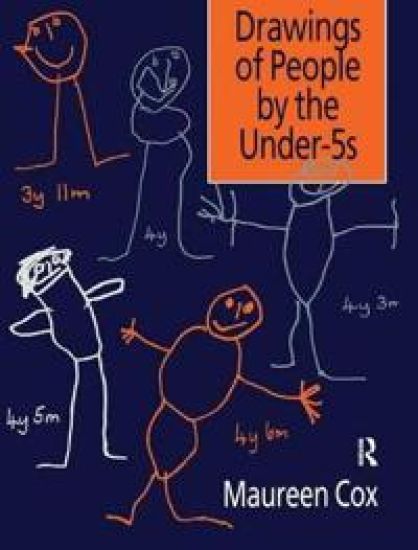
Drawings of People by the Under-5s

Drawings of People by the Under-5s

Maureen V Cox; Maureen Cox

Routledge
2017
sidottu
This work traces the development of the human figure in children's drawings, showing how children add to and alter their figures as they get older and more skilful. It discusses why children's drawings often seem so bizarre to adults, revealing what these figures tell as about the child's Intelligence Or Emotional Stability.; The Book Is Based In Examples From hundreds of children, but concentrates on a particular set of drawings gathered from one group of children attending a nursery. Also featured are drawings by children with learning difficulties, so that readers may see and learn from the different developmental patterns in the drawing of human figures. Additionally, the book makes comparisons of drawings by children in different cultures.
Children's Drawings of the Human Figure

Children's Drawings of the Human Figure

Maureen V. Cox

Psychology Press Ltd
2015
nidottu
The human figure is one of the earliest topics drawn by the young child and remains popular throughout childhood and into adolescence. When it first emerges, however, the human figure in the child's drawing is very bizarre: it appears to have no torso and its arms, if indeed it has any, are attached to its head. Even when the figure begins to look more conventional the child must still contend with a variety of problems: for instance, how to draw the head and body in the right proportions and how to draw the figure in action. In this book, Maureen Cox traces the development of the human form in children's drawings; she reviews the literature in the field, criticises a number of major theories which purport to explain the developing child's drawing skills and also presents new data.
Teaching Young Children to Draw

Teaching Young Children to Draw

Grant B Cooke; Grant Cooke; Maureen V Cox; Maureen Cox; Deirdre Griffin

Routledge Falmer
1997
nidottu
Now that art is a National Curriculum subject, teachers are looking for useful approaches to the teaching of art. This book offers an approach that has been developed by the three authors and has been shown, through research in schools, to improve
Drawings of People by the Under-5s

Drawings of People by the Under-5s

Maureen V Cox; Maureen Cox

Routledge Falmer
1996
nidottu
This work traces the development of the human figure in children's drawings, showing how children add to and alter their figures as they get older and more skilful. It discusses why children's drawings often seem so bizarre to adults, revealing what these figures tell as about the child's Intelligence Or Emotional Stability.; The Book Is Based In Examples From hundreds of children, but concentrates on a particular set of drawings gathered from one group of children attending a nursery. Also featured are drawings by children with learning difficulties, so that readers may see and learn from the different developmental patterns in the drawing of human figures. Additionally, the book makes comparisons of drawings by children in different cultures.
Children's Drawings of the Human Figure

Children's Drawings of the Human Figure

Maureen V. Cox

Psychology Press Ltd
1993
sidottu
The human figure is one of the earliest topics drawn by the young child and remains popular throughout childhood and into adolescence. When it first emerges, however, the human figure in the child's drawing is very bizarre: it appears to have no torso and its arms, if indeed it has any, are attached to its head. Even when the figure begins to look more conventional the child must still contend with a variety of problems: for instance, how to draw the head and body in the right proportions and how to draw the figure in action. In this book, Maureen Cox traces the development of the human form in children's drawings; she reviews the literature in the field, criticises a number of major theories which purport to explain the developing child's drawing skills and also presents new data.