
Kirjailija
Maurice Meisner
Kirjat ja teokset yhdessä paikassa: 8 kirjaa, julkaisuja vuosilta 1967–2008, suosituimpiin kuuluu Li Ta-Chao and the Origins of Chinese Marxism. Vertaile teosten hintoja ja tarkista saatavuus suomalaisista kirjakaupoista.
8 kirjaa
Kirjojen julkaisuvuodet: 1967–2008.
Li Ta-Chao and the Origins of Chinese Marxism
Maurice Meisner
ACLS History E-Book Project
2008
nidottu
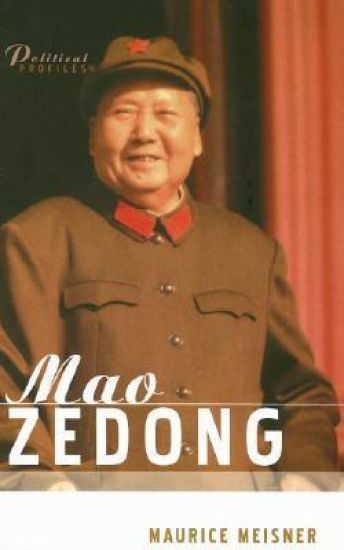
Revolutionary and ruler, Marxist and nationalist, liberator and despot, Mao Zedong takes a place among the iconic leaders of the twentieth century. In this book, Maurice Meisner offers a balanced portrait of the man who defined modern China. From his role as leader of a communist revolution in a war-torn and largely rural country to the disasters of the Great Leap Forward and the Cultural Revolution, the relationship between Mao's ideas and his political action is highly disputed. With unparalleled authority, Meisner shows how Mao's unique sinification of Marxism provides the key to looking at this extraordinary political career. The first part of the book is devoted to Mao's revolutionary leadership before 1949, in particular the influence of the liberal and anarchist ideas of the May Fourth era, his discovery of Marxism, Leninism and his conviction that peasants held the potential for revolution. In the second part, Meisner analyses Mao's early successes as a nationalist unifier and modernizer, the failure of his socialism and his eventual transformation into a tyrant.
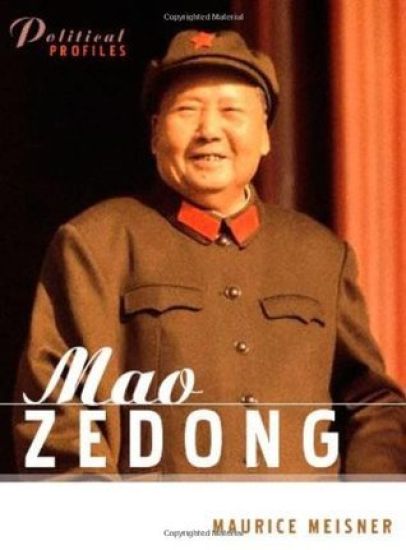
Revolutionary and ruler, Marxist and nationalist, liberator and despot, Mao Zedong takes a place among the iconic leaders of the twentieth century. In this book, Maurice Meisner offers a balanced portrait of the man who defined modern China. From his role as leader of a communist revolution in a war-torn and largely rural country to the disasters of the Great Leap Forward and the Cultural Revolution, the relationship between Mao's ideas and his political action is highly disputed. With unparalleled authority, Meisner shows how Mao's unique sinification of Marxism provides the key to looking at this extraordinary political career. The first part of the book is devoted to Mao's revolutionary leadership before 1949, in particular the influence of the liberal and anarchist ideas of the May Fourth era, his discovery of Marxism, Leninism and his conviction that peasants held the potential for revolution. In the second part, Meisner analyses Mao's early successes as a nationalist unifier and modernizer, the failure of his socialism and his eventual transformation into a tyrant.
Li Ta-Chao and the Origins of Chinese Marxism
Maurice Meisner
ACLS History E-Book Project
2006
sidottu
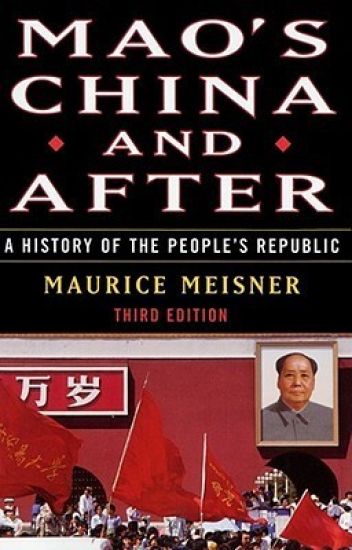
When MAO'S CHINA first appeared in 1977, it was hailed as the single most useful general volume on recent Chinese history, covering every important question of the time with clarity and amazing insight. Now, Meisner brings the third edition of his definitive work, with new information provided throughout the classic study. Including a whole new section in Part Six, 'Deng Xiaoping and the Origins of Chinese Capitalism: 1976-1998', Meisner assesses the country's uneasy relationship with democracy, socialism and capitalism. Retaining the elegance, lucidity and comprehensiveness he is known for, Meisner moves far beyond his previous work to paint a never-before-seen portrait of the political and social realities of China on the brink of the new Millennium, and the global implications of its rise to economic and political power.
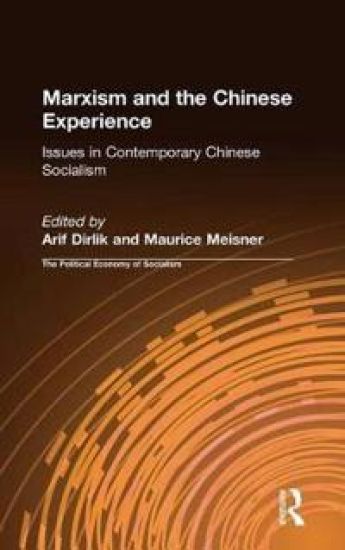
These essays consider the implications for Chinese socialism of the repudiation of the Cultural Revolution and the legacy of Mao Zedong as well as the meaning of the new definition and direction Mao's successors have given socialism. The themes have been selected for conceptual coherence within a socialist problematic of social change. Representing anthropology, art history, economics, history, literature and politics, various inquiries point in a twofold direction - the meaning of socialism for China and the meaning of Chinese Socialism for socialism as a global phenomenon - "meaning" not in some abstract sense but rather as it is constituted in the process of political ideological activity, which articulates and defines social relationships within China as well as China's relationship to the world.
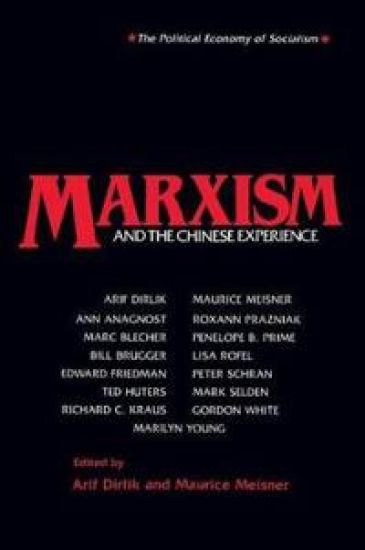
These essays consider the implications for Chinese socialism of the repudiation of the Cultural Revolution and the legacy of Mao Zedong as well as the meaning of the new definition and direction Mao's successors have given socialism. The themes have been selected for conceptual coherence within a socialist problematic of social change. Representing anthropology, art history, economics, history, literature and politics, various inquiries point in a twofold direction - the meaning of socialism for China and the meaning of Chinese Socialism for socialism as a global phenomenon - "meaning" not in some abstract sense but rather as it is constituted in the process of political ideological activity, which articulates and defines social relationships within China as well as China's relationship to the world.