Kirjojen hintavertailu – 12 903 724 kirjaa ja 27 kauppaa

Kirjailija

Max J. Coppes

Kirjat ja teokset yhdessä paikassa: 7 kirjaa, julkaisuja vuosilta 2010–2018, suosituimpiin kuuluu Oral Health in Children, An Issue of Pediatric Clinics of North America. Vertaile teosten hintoja ja tarkista saatavuus suomalaisista kirjakaupoista.

7 kirjaa

Kirjojen julkaisuvuodet: 2010–2018.

Oral Health in Children, An Issue of Pediatric Clinics of North America

Oral Health in Children, An Issue of Pediatric Clinics of North America

Max J. Coppes; Susan A Fisher-Owens

Elsevier - Health Sciences Division
2018
sidottu
With collaboration of Dr. Bonita Stanton, Drs. Coppes and Fisher-Owens have created a current issue that looks at oral health in children, with a much needed update in the literature for pediatricians. Top experts have contributed clinical reviews on the following topics: Oral Health and Development; Infant Oral Health and the Influence of Habits; Prevention of tooth decay; Fluoride; Caries; Disparities in Children's Oral Health (including Oral Health of Native Children); Children with Special Health Care Needs; Orthodontics; Oral Manifestations of Systemic Disease (specific to pediatrics and life course); Soft Tissue; Trauma; The Role of Primary Care Physicians (pediatricians and others) in Prevention Oral Disease; and Oral Health Care/Policies. Pediatricians will come away with the current clinical recommendations they need to improve oral health in children.
Wilms Tumor: Clinical and Molecular Characterization

Wilms Tumor: Clinical and Molecular Characterization

Max J. Coppes; Christine E. Campbell; Bryan Williams

Springer-Verlag Berlin and Heidelberg GmbH Co. K
2013
nidottu
WT1 is a DNA Binding Protein Containing Four C2H2 Zinc Fingers . . . . . . . . . . . . . . . . . . . . . . . . . . . . . . . . . . . . . . . . . . . . . . 89 The DNA Binding Domain ofWT1 ··············································~··· 90 WT1 Inhibits Tag and SV40 Origin Dependent Replication . . . . . . . . . . . . . . . . . . . . . . . . . . . . . . . . . . . . . . . . . . . . . . . . . . . . . . . . . 97 WT1 is an Unusual C2H2 Zinc Finger Protein . . . . . . . . . . . . . . . . . . . . . . . . . . . . . . . . . . 98 WT1 is a Transcriptional Regulator . . . . . . . . . . . . . . . . . . . . . . . . . . . . . . . . . . . . . . . . . . . . . . . . . . . . 99 Possible Downstream Targets ofWT1 Transcriptional Regulation . . . 103 Protein-Protein Interactions Involving WT1 . . . . . . . . . . . . . . . . . . . . . . . . . . . . . . . . . . . . . 104 Other Factors that May Contribute to or Modify the Cellular Function ofWT1 . . . . . . . . . . . . . . . . . . . . . . . . . . . . . . . . . . 104 WT1 and Apoptosis . . . . . . . . . . . . . . . . . . . . . . . . . . . . . . . . . . . . . . . . . . . . . . . . . . . . . . . . . . . . . . . . . . . . . . . . . . 106 Conclusion . . . . . . . . . . . . . . . . . . . . . . . . . . . . . . . . . . . . . . . . . . . . . . . . . . . . . . . . . . . . . . . . . . . . . . . . . . . . . . . . . . . . . . . . 107 7. Naturally Occurring Mutations in the WTJ Gene . . . . . . . . . . . . . . . . . . 113 Introduction . . . . . . . . . . . . . . . . . . . . . . . . . . . . . . . . . . . . . . . . . . . . . . . . . . . . . . . . . . . . . . . . . . . . . . . . . . . . . . . . . . . . . 113 WTI Mutations in Wilms Tumor . . . . . . . . . . . . . . . . . . . . . . . . . . . . . . . . . . . . . . .. . . . . . . . . . . . . . 114 Analysis of WTI Mutations in Tumors Other than Wilms Tumor . . . 122 Constitutional WTI Mutations and the Denys-Drash Syndrome . . . . . . 125 Conclusion . . . . . . . . . . . . . . . . . . . . . . . . . . . . . . . . . . . . . . . . . . . . . . . . . . . . . . . . . . . . . . . . . . . . . . . . . . . . . . . . . . . . . . . . 131 8. Other Loci Implicated in Wtlms Tumor . . . . . . . . . . . . . . . . . . . . . . . . . . . . . . . . . 137 Introduction . . . . . . . . . . . . . . . . . . . . . . . . . . . . . . . . . . . . . . . . . . . . . . . . . . . . . . . . . . . . . . . . . . . . . . . . . . . . . . . . . . . . . 137 Nephrogenic Rests, WTI Mutations and Wilms Tumor . . . . . . . . . . . . . . . . . . . 137 Undetectable WTI Mutations . . . . . . . . . . . . . . . . . . . . . . . . . . . . . . . . . . . . . . . . . . . . . . . . . . . . . . . . . . . 138 Wilms Tumor and WITI . . . . . . . . . . . . . . . . . . . . . . . . . . . . . . . . . . . . . . . . . . . . . . . . . . . . . . . . . . . . . . . . . . 140 Loss of Heterozygosity for Chromosome 1 p and 16q . . . . . . . . . . . . . . . . . . . . . . . . 141 Wilms Tumor and Beckwith-Wiedemann Syndrome . . . . . . . . . . . . . . . . . . . . . . . . 141 Wilms Tumor and Perlman Syndrome . . . . . . . . . . . . . . . . . . . . . . . . . . . . . . . . . . . . . . . . . . . . . 144 Imprinting, IGF/l, HI9 and Wilms Tumor . . . . . . . . . . . . . . . . . . . . . . . . . . . . . . . . . . . . . . 144 Wilms Tumor and Li-F raumeni Syndrome . . . . . . . . . . . . . . . . . . . . . . . . . . . . . . . . . . . . . . . 149 Familial Wilms Tumor . . . . . . . . . . . . . . . . . . . . . . . . . . . . . . . . . . . . . . . . . . . . . . . . . . . . . . . . . . . . . . . . . . . . . 149 Wilms Tumorand Other Disease Associations . . . . . . . . . . . . . . . . . . . . . . . . . . . . . . . . . 150 Conclusion . . . . . . . . . . . . . . . . . . . . . . . . . . . . . . . . . . . . . . . . . . . . . . . . . . . . . . . . . . . . . . . . . . . . . . . . . . . . . . . . . . . . . . . . 150 Index . . . . . . . . . . . . . . . . . . . . . . . . . . . . . . . . . . . . . . . . . . . . . . . . . . . . . . . . . . . . . . . . . . . . . . . . . . . . . . . . . . . . . . . . . . . . . . 15 7 =====PREFACE===== ilms tumor is a common pediatric neoplasm of the kidney which has been W considered a paradigm for understanding the etiology of embryonal tu­ mors.
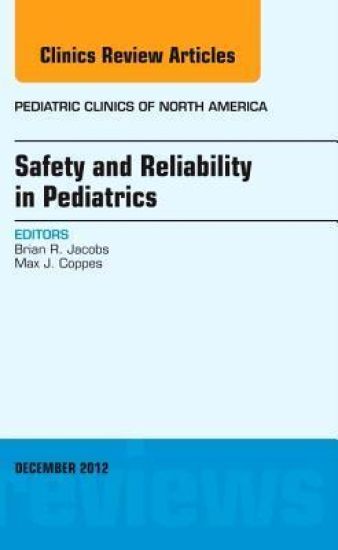
Safety and Reliability in Pediatrics, An Issue of Pediatric Clinics

Safety and Reliability in Pediatrics, An Issue of Pediatric Clinics

Brian Jacobs; Max J. Coppes

W B Saunders Co Ltd
2013
sidottu
The Guest Editors have assembled an international list of top experts to present the most current information to pediatricians about patient safety. The issue has a primarily clinical focus with a few articles addressing the business and practice of patient safety. Articles are devoted to the following topics: Developing performance standards and expectations for safety; The role of CPOE in patient safety; The role of smart infusion pumps on patient safety; Abstracted detection of adverse events in children; The role of effective communication (including handoffs) in patient safety; Reducing mortality resulting from adverse events; Optimizing standardization of case reviews (morbidity and mortality rounds) to promote patient safety; Impact of (resident) duty work hours on patient safety; Role of simulation in safety; The role of diagnostic errors in patient safety; The role of collaborative efforts to reduce hospital acquired conditions; Patient safety in ambulatory care; Role of FDA and pediatric safety; and Patient safety through the eyes of a parent.
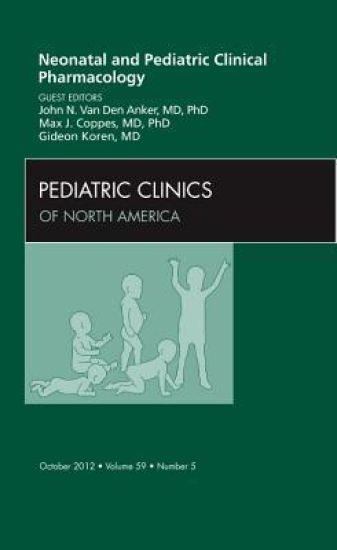
Neonatal and Pediatric Clinical Pharmacology, An Issue of Pediatric Clinics

Neonatal and Pediatric Clinical Pharmacology, An Issue of Pediatric Clinics

John N van den Anker; Max J. Coppes; Gideon Koren

W B Saunders Co Ltd
2012
sidottu
The need for safe and effective use of medicines in children and WHO's initiative "Make Medicines Child Size" have boosted research and educational activities in the area of pediatric clinical drug research. This issue focuses on both general and specific aspects of neonatal and pediatric clinical pharmacology including ethics, pharmacogenomics, metabolomics, adverse drug reactions, pain medication, pulmonary hypertension and several other hot topics. The editors have been able to find outstanding authors for the different parts on neonatal and pediatric pharmacology.
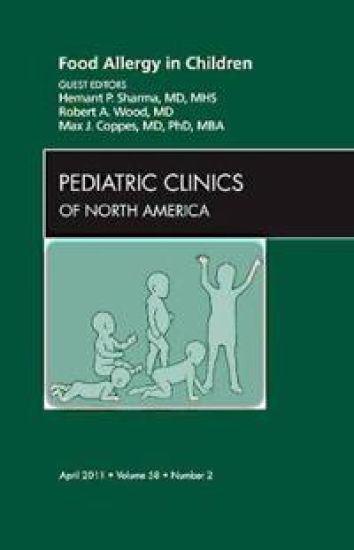
Food Allergy in Children, An Issue of Pediatric Clinics

Food Allergy in Children, An Issue of Pediatric Clinics

Hemant Sharma; Robert Wood; Max J. Coppes

W B Saunders Co Ltd
2011
sidottu
Dr. Coppes and his co-Editors have created a comprehensive table of contents that addresses the full spectrum of food allergies in children. Articles are presented to be most useful to pediatricians, as the issue begins with the clinical presentation and epidemiology of food allergy, and then progresses to the diagnostic testing and pahthophysiology. Articles are also included that are devoted to specific types of food allergy, dairy, soy, egg, peanut, and tree nut. Finally, articles are also devoted to living with food allergies, management of allergies in schools and camps, and therapies for food allergies.
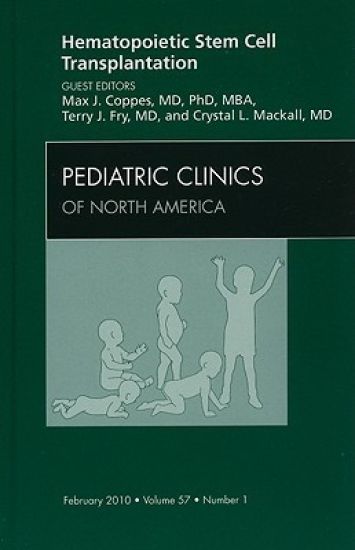
Hematopoietic Stem Cell Transplantation, An Issue of Pediatric Clinics

Hematopoietic Stem Cell Transplantation, An Issue of Pediatric Clinics

Max J. Coppes; Terry J. Fry; Crystal L. Mackall

W B Saunders Co Ltd
2010
sidottu
The subject of Pediatric Bone Marrow Transplantation is reviewed in this issue of Pediatric Clinics. Guest Editors Drs. Max Coppes, Terry Fry, and Crystal Mackall have assembled a panel of experts who offer reviews on topics including Allogeneic BMT for leukemia, GVL in pediatric leukemia, Stem cell source and outcome following BMT in children, Acute GVHD in children, Chronic GVHD in children, BMT for Hemoglobinopathies, BMT for immunodeficiency, BMT for rheumatologic disorders and other benign diseases, Autologous and Allogeneic BMT for solid tumors, Late effects following BMT, Cell therapies/vaccines for malignancy and infections, BMT for metabolic disorders, BMT for bone marrow failure syndromes, and Immunotherapy in the context of SCT.
An Update on Pediatric Oncology and Hematology , An Issue of Hematology/Oncology Clinics of North America
This issue highlights some of the exciting new developments in pediatric oncology and hematology. Three articles are devoted to pediatric leukemia, which remains the most common form of pediatric cancer. Specifically, articles address ALL, AML, and leukemia in patients with Down syndrome. Other articles that address pediatric oncology include CNS tumors and neuroblastoma as well as advances in cancer immunotherapy. A very interesting article addresses the challenges experienced by adults who survived a childhood cancer. The hematology articles in this issue cover aspects that most clinicians see on a regular basis-sickle cell disease, thalassemia, and hemophilia, and ITP.