Kirjailija
Maxim Gorky
Kirjat ja teokset yhdessä paikassa: 173 kirjaa, julkaisuja vuosilta 1988–2026, suosituimpiin kuuluu Easter Stories. Vertaile teosten hintoja ja tarkista saatavuus suomalaisista kirjakaupoista.
173 kirjaa
Kirjojen julkaisuvuodet: 1988–2026.
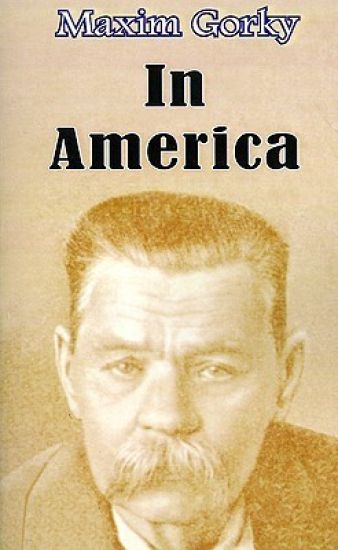
Born "Aleksey Maksimovich Peshkov" on March 16, 1868, in Nizhny Novgorod, Russia - later renamed in his honor - Maxim Gorky would learn early the harsh lessons of life. He spent his early childhood in Astrakhan where his father worked as a shipping agent, but when the boy was only five years old, his father died, and he was sent to live with his maternal grandparents. This was not a happy time for the young Gorky as conditions were poor and often violent. At the age of eight, the boy's grandfather forced him to quit school and apprenticed him to several tradesmen including a shoemaker and an icon painter. Fortunately, Gorky also worked as a dishwasher on a Volga steamer where a friendly cook taught him to read, and literature soon became his passion. At the age of twelve, Gorky ran away from home and barely survived, half starving, moving from one small job to the next. He was often beaten by his employers and seldom had enough to eat. The bitterness of these early experiences led him to choose the name Maxim Gorky (which means "the bitter one") as his pseudonym. Chapters include: "The City of the Yellow Devil" (Gorky's impressions of New York City and its dust and its forlorn people), "Realm of Boredom", "The Mob" and "Reply to a Questionnaire Received from an American Magazine". Gorky was not too impressed with the US
Drama Classics: The World's Great Plays at a Great Little Price A Chekhovian family drama, first staged in Russia in 1905. In a prophetic echo of the coming revolution, Maxim Gorky's play Children of the Sun looks at the lives of the privileged intelligentsia and of the workers, advocating an alliance between the two. Children of the Sun was first staged at the Moscow Arts Theatre in 1905. This editon of the play in the Nick Hern Books Drama Classics series is translated and introduced by Stephen Mulrine.
This is a Russian text with English introduction and notes.
One of the most renowned Soviet writers of the twentieth century, Maxim Gorky was an early supporter of the Bolsheviks who became disillusioned with the turn of events after the 1917 revolution. This brilliant and controversial book is a collection of the critical articles Gorky wrote that describe the Russian national character, condemn the Bolshevik methods of government, and provide a vision of the future.
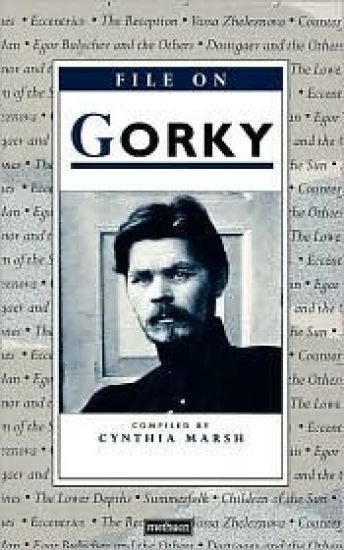
Writers-Files is an important series documenting the work of major dramatists of the last hundred years. Each volume contains a comprehensive checklist of all the writer's plays, with a detailed performance history, excerpted reviews and a selection of th Imprisoned for his revolutionary activities and championed by Checkov, Maxim Gorky ("the bitter") had his first play produced by the Moscow Art Theatre in 1902. Chekhov wrote, "Gorky is the first in Russia and the world at large to have expressed contempt and loathing for the petty bourgeoisie and he has done it at the precise moment when Russia is ready for protest." Among Gorky's most important plays are Philistines, The Lower Depths and Barbarians." Methuen are to be congratulated on launching this series...extremely useful to theatre professionals as well as to students and teachers of drama" (David Bradby, Speech and Drama)
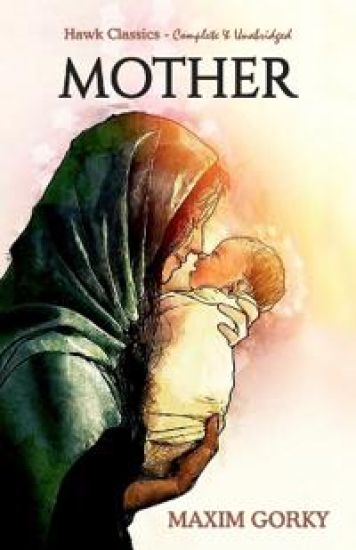
Mother is the immortal classic of Maxim Gorky, one of the world's best-loved writers. It is the story of the radicalization of an uneducated woman from her dull peasant existence into active participation in her people's struggle for justice. Through her work she frees herself from the cowed state into which she has been beaten and her simple motherly concern for her son becomes a motherly concern for all oppressed. The book uses simple style to make it an easy read while slowly adding thicker and thicker layers of propaganda and pro Marxist Communist theory.
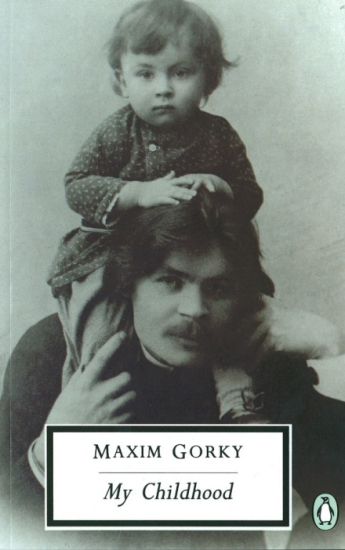
Coloured by poverty and horrifying brutality, Gorky's childhood equipped him to understand - in a way denied to a Tolstoy or a Turgenev - the life of the ordinary Russian. After his father, a paperhanger and upholsterer, died of cholera, five-year-old Gorky was taken to live with his grandfather, a polecat-faced tyrant who would regularly beat him unconscious, and with his grandmother, a tender mountain of a woman and a wonderful storyteller, who would kneel beside their bed (with Gorky inside it pretending to be asleep) and give God her views on the day's happenings, down to the last fascinating details. She was, in fact, Gorky's closest friend and the epic heroine of a book swarming with characters and with the sensations of a curious and often frightened little boy. My Childhood, the first volume of Gorky's autobiographical trilogy, was in part an act of exorcism. It describes a life begun in the raw, remembered with extraordinary charm and poignancy and without bitterness. Of all Gorky's books this is the one that made him 'the father of Russian literature'.
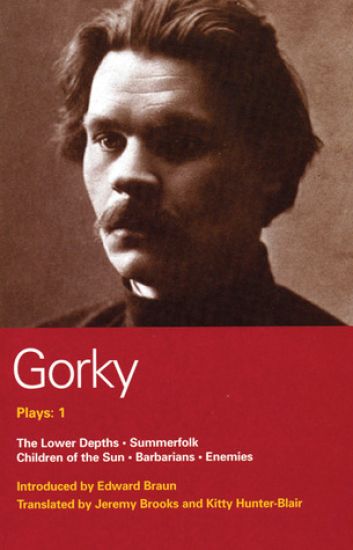
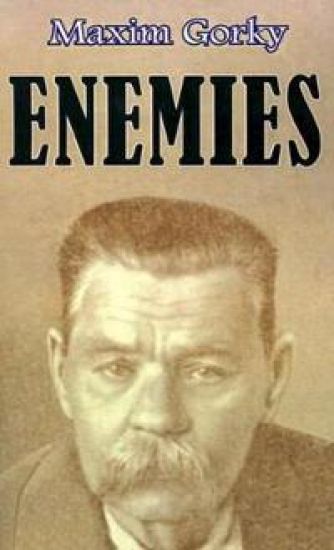
Modern accurate and stageable translations of five of Gorky's plays This volume includes Gorky's major works for the theatre. The Lower Depths, first staged by the Moscow Art theatre in 1902, portrays a cast of down and outs living in the underbelly of Russian society; Summerfolk depicts a society after the disintegration of feudalism with a new class of businessmen, intellectuals and professionals. Children of the Sun was completed in prison in 1905 and premiered in St Petersburg in the same year, St Petersburg critic Alexander Kugel wrote: "If Summerfolk boxed the ears of the intelligentsia, the Children of the Sun spits in their face"; Barbarians looks at the tragedy of an individual caught between opposing forces in a society on the brink of revolution - Lenin's future Minister of Culture, Alexander Kugel wrote: "Gorky helps us to understand and assess the mighty phenomenon of this war between two forms of barbarism through the direct experience of real people"; Enemies looks at the struggle between workers and industrialists and has been described as "the missing link between Chekhov and the Russian revolution" (Observer)
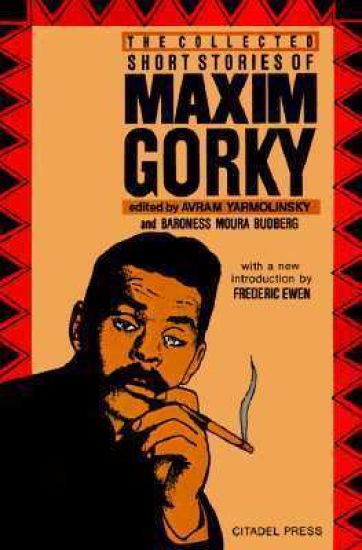
The Collected Short Stories of Maxim Gorky
Maxim Gorky
Kensington Publishing Corporation
1988
pokkari