Kirjojen hintavertailu – 12 876 058 kirjaa ja 26 kauppaa

Kirjailija

May Sinclair

Kirjat ja teokset yhdessä paikassa: 226 kirjaa, julkaisuja vuosilta 1980–2026, suosituimpiin kuuluu The Zaffre Book of Occult Fiction. Vertaile teosten hintoja ja tarkista saatavuus suomalaisista kirjakaupoista.

226 kirjaa

Kirjojen julkaisuvuodet: 1980–2026.

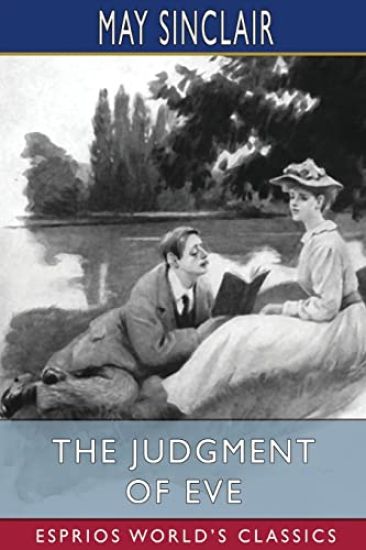
The Judgment of Eve (Esprios Classics)
May Sinclair was the pseudonym of Mary Amelia St. Clair (24 August 1863 - 14 November 1946), a popular British writer who wrote about two dozen novels, short stories and poetry. She was an active suffragist, and member of the Woman Writers' Suffrage League. She once dressed up as a demure, rebel Jane Austen for a suffrage fundraising event. Sinclair was also a significant critic in the area of modernist poetry and prose, and she is attributed with first using the term 'stream of consciousness' in a literary context, when reviewing the first volumes of Dorothy Richardson's novel sequence Pilgrimage (1915-1967), in The Egoist, April 1918.
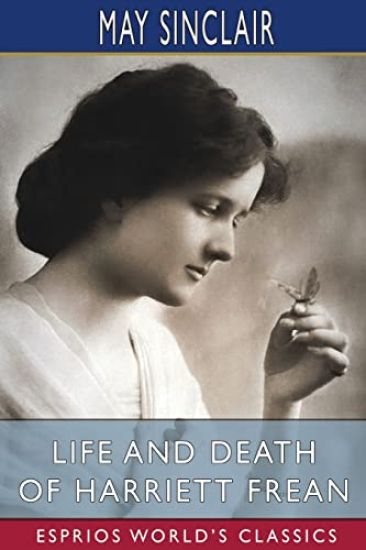
Life and Death of Harriett Frean (Esprios Classics)
May Sinclair was the pseudonym of Mary Amelia St. Clair (24 August 1863 - 14 November 1946), a popular British writer who wrote about two dozen novels, short stories and poetry. She was an active suffragist, and member of the Woman Writers' Suffrage League. She once dressed up as a demure, rebel Jane Austen for a suffrage fundraising event. Sinclair was also a significant critic in the area of modernist poetry and prose, and she is attributed with first using the term 'stream of consciousness' in a literary context, when reviewing the first volumes of Dorothy Richardson's novel sequence Pilgrimage (1915-1967), in The Egoist, April 1918.
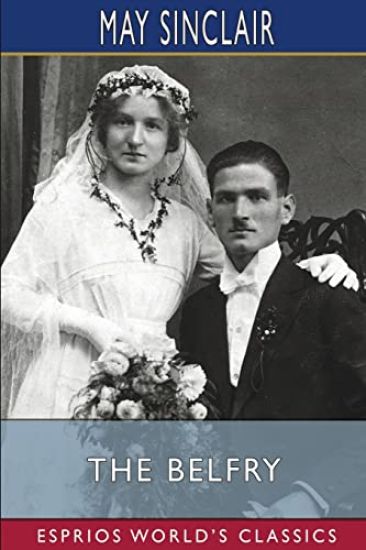
The Belfry (Esprios Classics)
May Sinclair was the pseudonym of Mary Amelia St. Clair (24 August 1863 - 14 November 1946), a popular British writer who wrote about two dozen novels, short stories and poetry. She was an active suffragist, and member of the Woman Writers' Suffrage League. She once dressed up as a demure, rebel Jane Austen for a suffrage fundraising event. Sinclair was also a significant critic in the area of modernist poetry and prose, and she is attributed with first using the term 'stream of consciousness' in a literary context, when reviewing the first volumes of Dorothy Richardson's novel sequence Pilgrimage (1915-1967), in The Egoist, April 1918.
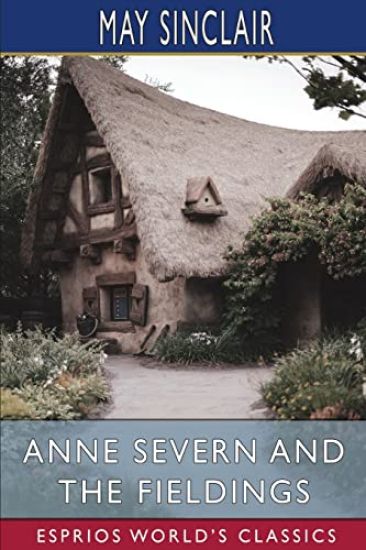
Anne Severn and the Fieldings (Esprios Classics)
May Sinclair was the pseudonym of Mary Amelia St. Clair (24 August 1863 - 14 November 1946), a popular British writer who wrote about two dozen novels, short stories and poetry. She was an active suffragist, and member of the Woman Writers' Suffrage League. She once dressed up as a demure, rebel Jane Austen for a suffrage fundraising event. Sinclair was also a significant critic in the area of modernist poetry and prose, and she is attributed with first using the term 'stream of consciousness' in a literary context, when reviewing the first volumes of Dorothy Richardson's novel sequence Pilgrimage (1915-1967), in The Egoist, April 1918.
Mary Olivier

Mary Olivier

May Sinclair

Blurb
2025
pokkari
May Sinclair was the pseudonym of Mary Amelia St. Clair (24 August 1863 - 14 November 1946), a popular British writer who wrote about two dozen novels, short stories and poetry. She was an active suffragist, and member of the Woman Writers' Suffrage League. She once dressed up as a demure, rebel Jane Austen for a suffrage fundraising event. Sinclair was also a significant critic in the area of modernist poetry and prose, and she is attributed with first using the term 'stream of consciousness' in a literary context, when reviewing the first volumes of Dorothy Richardson's novel sequence Pilgrimage (1915-1967), in The Egoist, April 1918.
Uncanny Stories

Uncanny Stories

May Sinclair

Renard Press Ltd
2025
pokkari
Falling into the trap of writing commercially successful literary fiction, sure to alienate literary critics of yore, May Sinclair’s reputation has been unfairly diminished in recent years – although in her day she drew the praise of writers as respected and disparate as George Orwell and Agatha Christie. Combining the traditional ghost story with Freudian logic and Modernist values, these Uncanny Stories – the first of two supernatural story collections – are a thrilling, familiar read, and yet a shocking departure from the genre as it was known, and makes for as compelling a read today as the day they were written.