Kirjojen hintavertailu – 12 903 724 kirjaa ja 27 kauppaa
Kirjailija
Maya Raman
Kirjat ja teokset yhdessä paikassa: 6 kirjaa, julkaisuja vuosilta 2015–2026, suosituimpiin kuuluu Plant Polysaccharides and Food Applications. Vertaile teosten hintoja ja tarkista saatavuus suomalaisista kirjakaupoista.
The official guide to MongoDB architecture, tools, and cloud features, written by leading MongoDB subject matter experts to help you build secure, scalable, high-performance applications Key Features Design resilient, secure solutions with high performance and scalability Streamline development with modern tooling, indexing, and AI-powered workflows Deploy and optimize in the cloud using advanced MongoDB Atlas features Purchase of the print or Kindle book includes a free PDF eBook Book DescriptionDelivering secure, scalable, and high-performance applications is never easy, especially when systems must handle growth, protect sensitive data, and perform reliably under pressure. The Official MongoDB Guide addresses these challenges with guidance from MongoDB’s top subject matter experts, so you learn proven best practices directly from those who know the technology inside out. This book takes you from core concepts and architecture through to advanced techniques for data modeling, indexing, and query optimization, supported by real-world patterns that improve performance and resilience. It offers practical coverage of developer tooling, IDE integrations, and AI-assisted workflows that will help you work faster and more effectively. Security-focused chapters walk you through authentication, authorization, encryption, and compliance, while chapters dedicated to MongoDB Atlas showcase its robust security features and demonstrate how to deploy, scale, and leverage platform-native capabilities such as Atlas Search and Atlas Vector Search. By the end of this book, you’ll be able to design, build, and manage MongoDB applications with the confidence that comes from learning directly from the experts shaping the technology. What you will learn Build secure, scalable, and high-performance applications Design efficient data models and indexes for real workloads Write powerful queries to sort, filter, and project data Protect applications with authentication and encryption Accelerate coding with AI-powered and IDE-based tools Launch, scale, and manage MongoDB Atlas with confidence Unlock advanced features like Atlas Search and Atlas Vector Search Apply proven techniques from MongoDB's own engineering leaders Who this book is forThis book is for developers, database professionals, architects, and platform teams who want to get the most out of MongoDB. Whether you’re building web apps, APIs, mobile services, or backend systems, the concepts covered here will help you structure data, improve performance, and deliver value to your users. No prior experience with MongoDB is required, but familiarity with databases and programming will be helpful.
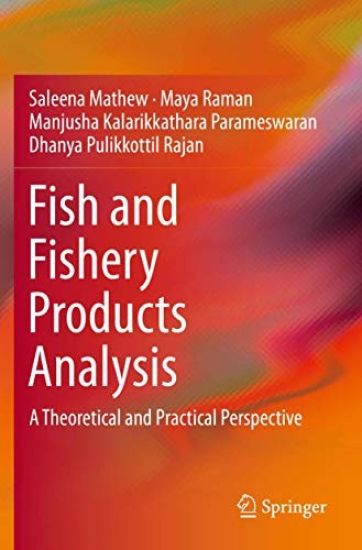
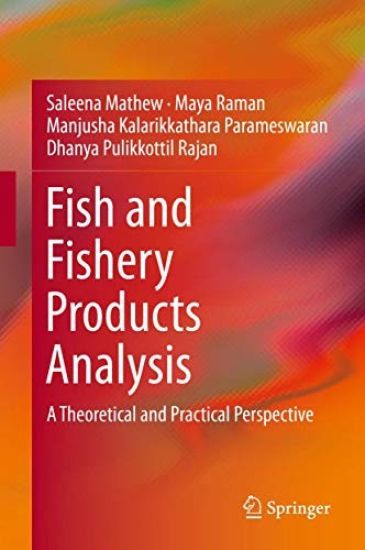
This novel and informative book discusses the various aspects of seafood quality. The book is divided into 7 broad sections, each tackling a different aspect. The first section covers the general aspects relevant to the nutritional quality of the fish and the various extraction protocols for macro-/ micro-nutrients. The second section provides insights into handling and the principles of thermal and non-thermal processing techniques for commercially important fishery products. The quality standards and safety concerns in the seafood industry and consumption are discussed in this section. The freshness indices of the processed products including biochemical, microbiological and toxicological characteristics are also included. The third section discusses the physico-chemical characteristics and quality parameters of potable water/ ice. The fourth section includes the quality assessment of various toxicants related to seafood products. The fifth section deals with the specific aspects such as principle, instrument and procedures of conventional and novel analytical instruments relevant to the seafood industry. The sixth section deals with the seafood waste management including solid and liquid seafood wastes. Presently, there is a great awareness regarding environmental sustainable processing/ preservation techniques. The final chapter discusses the bioactive compounds from under-utilized marine sources showing pharmaceutical/ nutraceutical applications.
This novel and informative book discusses the various aspects of seafood quality. The book is divided into 7 broad sections, each tackling a different aspect. The first section covers the general aspects relevant to the nutritional quality of the fish and the various extraction protocols for macro-/ micro-nutrients. The second section provides insights into handling and the principles of thermal and non-thermal processing techniques for commercially important fishery products. The quality standards and safety concerns in the seafood industry and consumption are discussed in this section. The freshness indices of the processed products including biochemical, microbiological and toxicological characteristics are also included. The third section discusses the physico-chemical characteristics and quality parameters of potable water/ ice. The fourth section includes the quality assessment of various toxicants related to seafood products. The fifth section deals with the specific aspects such as principle, instrument and procedures of conventional and novel analytical instruments relevant to the seafood industry. The sixth section deals with the seafood waste management including solid and liquid seafood wastes. Presently, there is a great awareness regarding environmental sustainable processing/ preservation techniques. The final chapter discusses the bioactive compounds from under-utilized marine sources showing pharmaceutical/ nutraceutical applications.
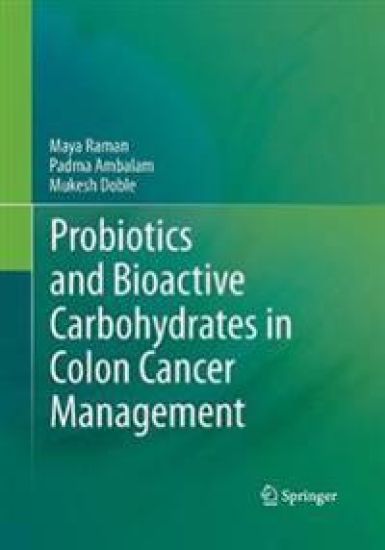
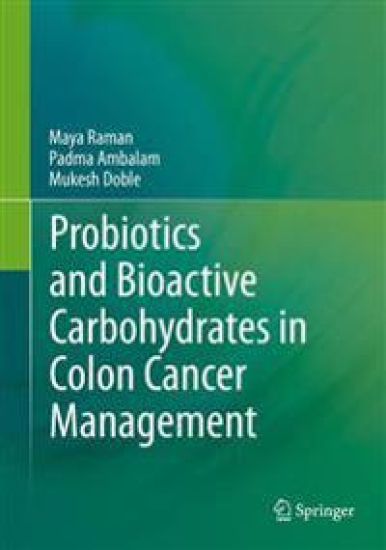
This book describes the dietary habits (such as use of probiotics, synbiotics, prebiotics and dietary fiber) that could modify and reduce the risk of developing colorectal cancer (CRC). The book will be of practical and scientific use to academicians, research scholars, students, health professionals, nutritionists, etc. and could support the cause of preventing CRC by adopting smarter food habits. CRC is the third leading cause of death, in terms of both incidence and mortality, among men and women. Excess consumption of red and processed meat, roasted coffee, etc. have shown an increase in CRC, indicating that compounds formed in food containing free amino acids and sugars interact at elevated temperatures to form mutagens or carcinogens. Standard treatment options for CRC include invasive surgery and chemotherapy or radiation. Several lifestyle and dietary factors could prevent this ailment. Probiotics, prebiotics and synbiotics that are found in functional foods, health supplements and nutraceuticals and short chain fatty acids that are formed in the colon as a result of microbial fermentation of undigested bioactive carbohydrates by Bifidobacterium and Lactobacillus inhibit colonic epithelial cells and minimize inflammation, thereby exhibiting immunomodulatory effects. This book tries to address the novel unexplored benefits and mechanism of action of these functional foods.
This book describes the dietary habits (such as use of probiotics, synbiotics, prebiotics and dietary fiber) that could modify and reduce the risk of developing colorectal cancer (CRC). The book will be of practical and scientific use to academicians, research scholars, students, health professionals, nutritionists, etc. and could support the cause of preventing CRC by adopting smarter food habits. CRC is the third leading cause of death, in terms of both incidence and mortality, among men and women. Excess consumption of red and processed meat, roasted coffee, etc. have shown an increase in CRC, indicating that compounds formed in food containing free amino acids and sugars interact at elevated temperatures to form mutagens or carcinogens. Standard treatment options for CRC include invasive surgery and chemotherapy or radiation. Several lifestyle and dietary factors could prevent this ailment. Probiotics, prebiotics and synbiotics that are found in functional foods, health supplements and nutraceuticals and short chain fatty acids that are formed in the colon as a result of microbial fermentation of undigested bioactive carbohydrates by Bifidobacterium and Lactobacillus inhibit colonic epithelial cells and minimize inflammation, thereby exhibiting immunomodulatory effects. This book tries to address the novel unexplored benefits and mechanism of action of these functional foods.