Kirjojen hintavertailu – 12 859 819 kirjaa ja 27 kauppaa
Kirjailija
Mbongiseni Buthelezi
Kirjat ja teokset yhdessä paikassa: 5 kirjaa, julkaisuja vuosilta 2018–2023, suosituimpiin kuuluu Archives of Times Past. Vertaile teosten hintoja ja tarkista saatavuus suomalaisista kirjakaupoista.
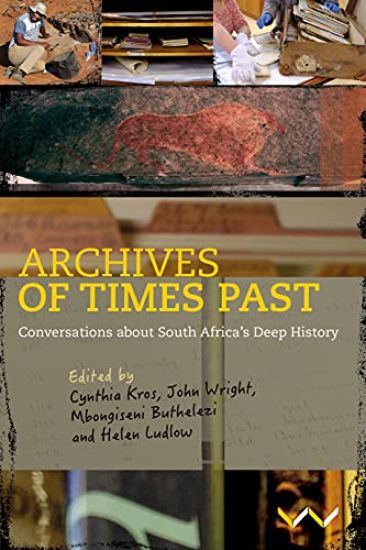
This volume critically examines sources of evidence and material from the archive that historically have been used to tell southern Africa's pre-colonial story.
Mbongiseni Buthelezi; Peter Vale; Karl von Holdt; Robyn Foley; Ryan Brunette; Jonathan Klaaren; Cherese Thakur; Devi Pillay; Luke Spiropoulos; Reg Rumney; Sizwe Mpofu-Walsh; Michael Marchant; Hennie van Vuuren; Patrick Heller; Barney Pityana
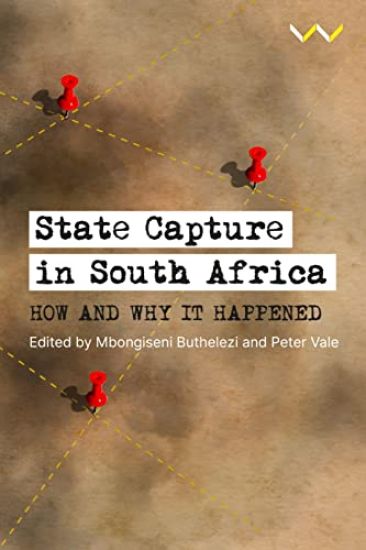
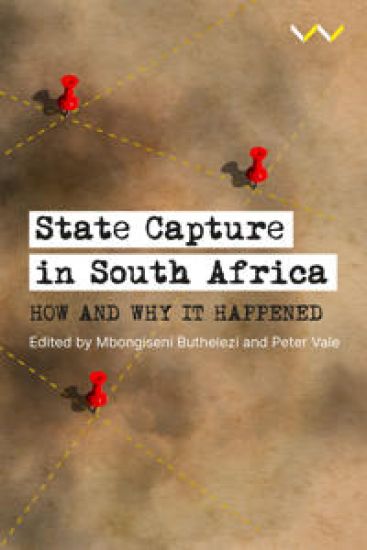
A multidisciplinary analysis of how state capture unfolded in South Africa and was contested within both civil society and the state itself. It presents a scholarly and empirical understanding of how things went awry, even with various regulating bodies in place, and how to prevent state capture from happening again in the future. The metaphor of 'state capture' has dominated South Africa's political discourse in the post-Zuma presidency era. What is state capture and how does it manifest? Is it just another example of a newly independent, failed African state? And is it unique to South Africa? The contributors in this collection try to explain the phenomenon from a variety of viewpoints and disciplines. All hold fast to the belief that the democracy that promised the country so much when apartheid ended has been significantly eroded, resulting in most citizens expressing a loss of hope for the future. Read together, the essays cumulatively show not only how state capture was enabled and who benefitted, but also how and by whom it was scrutinised and exposed in order to hold those in power accountable. The book aims to present a scholarly and empirical understanding of how things went awry, even with various regulating bodies in place, and how to prevent state capture from happening again in the future.
Mbongiseni Buthelezi; Peter Vale; Karl Von Holdt; Robyn Foley; Ryan Brunette; Jonathan Klaaren; Cherese Thakur; Devi Pillay; Luke Spiropoulos; Reg Rumney; Sizwe Mpofu-Walsh; Michael Marchant; Hennie Van Vuuren; Patrick Heller; Barney Pityana
A multidisciplinary analysis of how state capture unfolded in South Africa and was contested within both civil society and the state itself. It presents a scholarly and empirical understanding of how things went awry, even with various regulating bodies in place, and how to prevent state capture from happening again in the future. The metaphor of 'state capture' has dominated South Africa's political discourse in the post-Zuma presidency era. What is state capture and how does it manifest? Is it just another example of a newly independent, failed African state? And is it unique to South Africa? The contributors in this collection try to explain the phenomenon from a variety of viewpoints and disciplines. All hold fast to the belief that the democracy that promised the country so much when apartheid ended has been significantly eroded, resulting in most citizens expressing a loss of hope for the future. Read together, the essays cumulatively show not only how state capture was enabled and who benefitted, but also how and by whom it was scrutinised and exposed in order to hold those in power accountable. The book aims to present a scholarly and empirical understanding of how things went awry, even with various regulating bodies in place, and how to prevent state capture from happening again in the future.
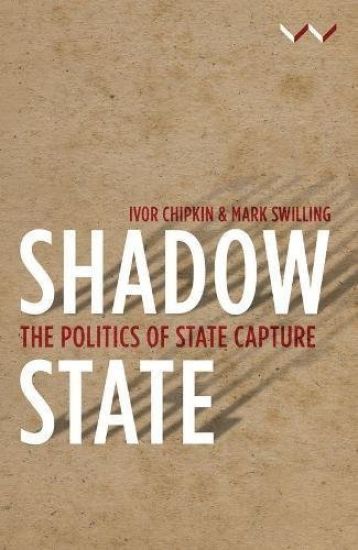
A powerful analysis of events that helped galvanise resistance across civil society The 2017 publication of Betrayal of the Promise, the report that detailed the systematic nature of state capture, marked a key moment in South Africa's most recent struggle for democracy. In the face of growing evidence of corruption and of the weakening of state and democratic institutions, it provided, for the first time, a powerful analysis of events that helped galvanise resistance within the Tripartite Alliance and across civil society. Working often secretly, the authors consolidated, for the first time, large amounts of evidence from a variety of sources. They showed that the Jacob Zuma administration was not simply a criminal network but part of an audacious political project to break the hold of whites and white business on the economy and to create a new class of black industrialists. State-Owned Enterprises (SOEs) such as Eskom and Transnet were central to these plans. The report introduced a whole new language to discuss state capture, showing how SOEs were 'repurposed', how political power was shifting away from constitutional bodies to 'kitchen cabinets', and how a 'shadow state' at odds with the country's constitutional framework was being built. Shadow State is an updated version of the original, explosive report that changed South Africa's recent history.