Kirjojen hintavertailu – 12 903 735 kirjaa ja 27 kauppaa

Kirjailija

McGraw Hill

Kirjat ja teokset yhdessä paikassa: 4 706 kirjaa, julkaisuja vuosilta 1987–2024, suosituimpiin kuuluu Español para ti Level 5, Workbook. Vertaile teosten hintoja ja tarkista saatavuus suomalaisista kirjakaupoista.

Nimi esiintyy myös muodoissa: McGraw-Hill

4 706 kirjaa

Kirjojen julkaisuvuodet: 1987–2024.

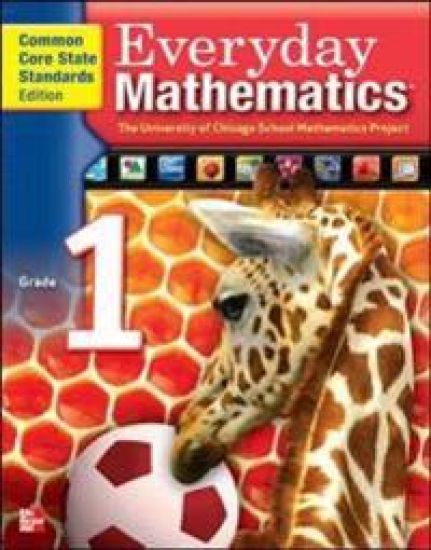
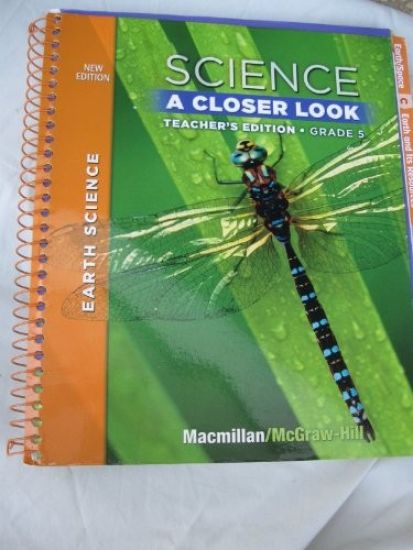
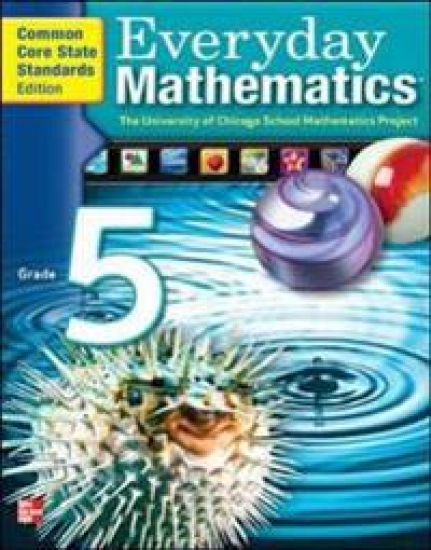
Everyday Mathematics, Grade 5, Classroom Games Kits

Everyday Mathematics, Grade 5, Classroom Games Kits

McGraw Hill

McGraw-Hill Professional
2009
nidottu
Everyday Mathematics 2012, Classroom Games Kit, Grade 5Everyday Mathematics® enables students to build conceptual understanding, computational fluency, and real-world problem-solving skills. The University of Chicago School Mathematics Project continues to develop Everyday Mathematics® to enable students to become strong mathematical citizens for the 21st century. Everyday Mathematics is a core curriculum for students in pre-kindergarten through sixth grade. At each grade level students are provided opportunities to learn concepts and practice skills in a variety of representations. A concept like fractions may first be introduced using a concrete representation such as base-ten blocks. Next the student may be asked to draw a pictorial representation of a fraction. A story problem may be introduced and finally an abstract representation of the fraction is introduced to the student. Using multiple representations of concepts helps students understand how abstract or formulaic representations of math are connected to the physical world. Everyday Mathematics' focus on real-life problem solving forces students to see how math touches their lives every day. Students are given the freedom to explore different ways of solving problems and taught how to communicate their mathematical thinking. These are recognized strengths of the Everyday Mathematics program and are a large part of the Common Core State Standards. In particular, the Standards of Mathematical Practice are covered extensively in Everyday Mathematics and have been at the heart of the program for the last 25 years when NCTM released a precursor to the Practice Standards called the Process Standards. The authors of Everyday Mathematics painstakingly reviewed the Common Core State Standards and realigned content to match expectations in the Common Core. However, the authors have remained true to the pedagogy and their mission of making all students lifelong mathematical thinkers.
Everyday Mathematics, Grade 4, Classroom Games Kits

Everyday Mathematics, Grade 4, Classroom Games Kits

McGraw Hill

McGraw-Hill Professional
2009
nidottu
Kits reinforce learning and provide additional practiceopportunities through games that areincluded in daily instruction. Each grade-specific kitincludes all materials needed for easy setup, game-playand storage. Teacher’s Guide to Games is included, providingdifferentiation options, directions and masters forgames. Grade-level-appropriate gameboards provide practice withbasic facts and build thinking skills
Everyday Mathematics, Grade 3, Classroom Games Kits

Everyday Mathematics, Grade 3, Classroom Games Kits

McGraw Hill

McGraw-Hill Professional
2009
nidottu
Everyday Mathematics 2012, Classroom Games Kit, Grade 3Everyday Mathematics® enables students to build conceptual understanding, computational fluency, and real-world problem-solving skills. The University of Chicago School Mathematics Project continues to develop Everyday Mathematics® to enable students to become strong mathematical citizens for the 21st century. Everyday Mathematics is a core curriculum for students in pre-kindergarten through sixth grade. At each grade level students are provided opportunities to learn concepts and practice skills in a variety of representations. A concept like fractions may first be introduced using a concrete representation such as base-ten blocks. Next the student may be asked to draw a pictorial representation of a fraction. A story problem may be introduced and finally an abstract representation of the fraction is introduced to the student. Using multiple representations of concepts helps students understand how abstract or formulaic representations of math are connected to the physical world. Everyday Mathematics' focus on real-life problem solving forces students to see how math touches their lives every day. Students are given the freedom to explore different ways of solving problems and taught how to communicate their mathematical thinking. These are recognized strengths of the Everyday Mathematics program and are a large part of the Common Core State Standards. In particular, the Standards of Mathematical Practice are covered extensively in Everyday Mathematics and have been at the heart of the program for the last 25 years when NCTM released a precursor to the Practice Standards called the Process Standards. The authors of Everyday Mathematics painstakingly reviewed the Common Core State Standards and realigned content to match expectations in the Common Core. However, the authors have remained true to the pedagogy and their mission of making all students lifelong mathematical thinkers.
Everyday Mathematics, Grade 2, Classroom Games Kits

Everyday Mathematics, Grade 2, Classroom Games Kits

McGraw Hill

McGraw-Hill Professional
2009
nidottu
Everyday Mathematics 2012, Classroom Games Kit, Grade 2Everyday Mathematics® enables students to build conceptual understanding, computational fluency, and real-world problem-solving skills. The University of Chicago School Mathematics Project continues to develop Everyday Mathematics® to enable students to become strong mathematical citizens for the 21st century. Everyday Mathematics is a core curriculum for students in pre-kindergarten through sixth grade. At each grade level students are provided opportunities to learn concepts and practice skills in a variety of representations. A concept like fractions may first be introduced using a concrete representation such as base-ten blocks. Next the student may be asked to draw a pictorial representation of a fraction. A story problem may be introduced and finally an abstract representation of the fraction is introduced to the student. Using multiple representations of concepts helps students understand how abstract or formulaic representations of math are connected to the physical world. Everyday Mathematics' focus on real-life problem solving forces students to see how math touches their lives every day. Students are given the freedom to explore different ways of solving problems and taught how to communicate their mathematical thinking. These are recognized strengths of the Everyday Mathematics program and are a large part of the Common Core State Standards. In particular, the Standards of Mathematical Practice are covered extensively in Everyday Mathematics and have been at the heart of the program for the last 25 years when NCTM released a precursor to the Practice Standards called the Process Standards. The authors of Everyday Mathematics painstakingly reviewed the Common Core State Standards and realigned content to match expectations in the Common Core. However, the authors have remained true to the pedagogy and their mission of making all students lifelong mathematical thinkers.
Everyday Mathematics, Grade 1, Classroom Games Kits

Everyday Mathematics, Grade 1, Classroom Games Kits

McGraw Hill

McGraw-Hill Professional
2009
nidottu
Everyday Mathematics 2012, Classroom Games Kit, Grade 1Everyday Mathematics® enables students to build conceptual understanding, computational fluency, and real-world problem-solving skills. The University of Chicago School Mathematics Project continues to develop Everyday Mathematics® to enable students to become strong mathematical citizens for the 21st century. Everyday Mathematics is a core curriculum for students in pre-kindergarten through sixth grade. At each grade level students are provided opportunities to learn concepts and practice skills in a variety of representations. A concept like fractions may first be introduced using a concrete representation such as base-ten blocks. Next the student may be asked to draw a pictorial representation of a fraction. A story problem may be introduced and finally an abstract representation of the fraction is introduced to the student. Using multiple representations of concepts helps students understand how abstract or formulaic representations of math are connected to the physical world. Everyday Mathematics' focus on real-life problem solving forces students to see how math touches their lives every day. Students are given the freedom to explore different ways of solving problems and taught how to communicate their mathematical thinking. These are recognized strengths of the Everyday Mathematics program and are a large part of the Common Core State Standards. In particular, the Standards of Mathematical Practice are covered extensively in Everyday Mathematics and have been at the heart of the program for the last 25 years when NCTM released a precursor to the Practice Standards called the Process Standards. The authors of Everyday Mathematics painstakingly reviewed the Common Core State Standards and realigned content to match expectations in the Common Core. However, the authors have remained true to the pedagogy and their mission of making all students lifelong mathematical thinkers.