Kirjojen hintavertailu – 12 903 725 kirjaa ja 27 kauppaa

Kirjailija

Md Alam

Kirjat ja teokset yhdessä paikassa: 6 kirjaa, julkaisuja vuosilta 2023–2025, suosituimpiin kuuluu Abiotic Stress Management in Fruit Crops. Vertaile teosten hintoja ja tarkista saatavuus suomalaisista kirjakaupoista.

Nimi esiintyy myös muodoissa: Md. Alam

6 kirjaa

Kirjojen julkaisuvuodet: 2023–2025.

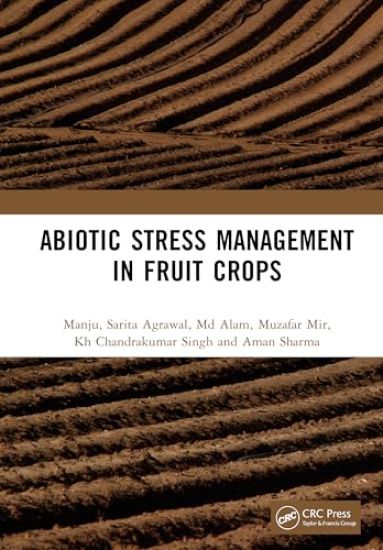
Abiotic Stress Management in Fruit Crops

Abiotic Stress Management in Fruit Crops

Sarita Agrawal; Md Alam; Muzafar Mir; Kh Chandrakumar Singh; Aman Sharma

TAYLOR FRANCIS LTD
2025
sidottu
Abiotic Stress Management in Fruit Crops explores the growing challenges posed by abiotic stresses such as drought, salinity, temperature fluctuations, soil degradation, and environmental pollution on fruit crop production. This academic volume integrates theoretical frameworks and practical approaches. The book brings together the latest research, case studies, and management strategies aimed at enhancing resilience, productivity, and sustainability in fruit crops. With a focus on innovation, adaptability, and field relevance, this text addresses both foundational principles and emerging solutions for managing abiotic stress in a changing agricultural landscape. The subject matter of this book includes: All major abiotic stress factors affecting fruit crops, including drought, salinity, and extreme temperatures. Latest scientific findings and field studies for informed stress management. Actionable strategies for growers and practitioners to mitigate stress impacts. Applicability across regions while grounded in Indian agricultural practices,the principles and approaches discussed have global relevance. Focus on sustainability agriculture through detailed discussions on integrated nutrient management, biofertilizers and fertifigation. This book is aimed for students, researchers, extension specialists, and professionals in Horticultural Sciences Print edition not for sale in India
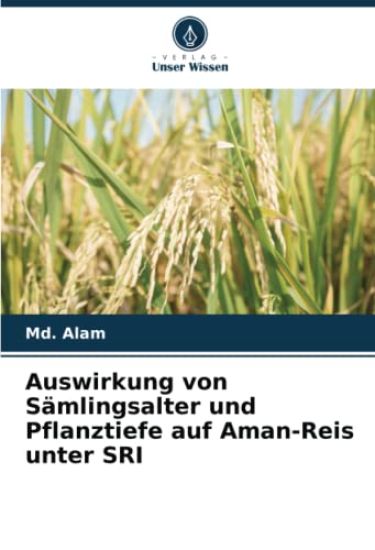
Auswirkung von Sämlingsalter und Pflanztiefe auf Aman-Reis unter SRI
Die Ern hrungssicherheit ist und bleibt ein Hauptanliegen Bangladeschs. Reis ist nicht nur ein wichtiges Grundnahrungsmittel, sondern stellt auch fast 40 % der gesamten nationalen Besch ftigung, etwa zwei Drittel der gesamten Kalorienzufuhr und etwa 50 % der gesamten Eiwei zufuhr einer Durchschnittsperson im Lande (Bhuiyan, 1999). In Bangladesch liegen die Reisertr ge im Vergleich zu vielen anderen L ndern weit darunter (Choi, 2000). Der Versuch umfasste drei S mlingsalter, wie 8, 12 und 16 Tage alte S mlinge, und drei Pflanztiefen, wie 1, 2 und 3 cm. BRRI dhan41 erzielte bessere Korn- und Strohertr ge bei Verwendung von 16 Tage alten S mlingen und einer Pflanztiefe von 2 cm in der Aman-Saison unter der SRI-Technik. Die Ergebnisse der Studie werden unseren Reisbauern und Forschern helfen.
Effetto dell'età delle piantine e della profondità di trapianto sul riso aman in regime SRI
La sicurezza alimentare stata e rimarr una delle principali preoccupazioni del Bangladesh. Il riso non solo un importante alimento di base, ma fornisce anche quasi il 40% dell'occupazione totale nazionale, circa due terzi dell'apporto calorico totale e circa il 50% dell'apporto proteico totale di una persona media nel Paese (Bhuiyan, 1999). In Bangladesh, il livello di resa del riso molto inferiore a quello di molti altri Paesi (Choi, 2000). L'esperimento comprendeva tre et delle piantine, come 8, 12 e 16 giorni, e tre profondit di trapianto, come 1, 2 e 3 cm. BRRI dhan41 ha ottenuto migliori rese in granella e paglia utilizzando piantine di 16 giorni con una profondit di trapianto di 2 cm nella stagione di aman con la tecnica SRI. I risultati dello studio saranno utili ai nostri risicoltori e ricercatori.
Efeito da idade das plântulas e da profundidade do transplante no arroz aman sob SRI
A seguran a alimentar tem sido e continuar a ser uma grande preocupa o para o Bangladesh. O arroz n o apenas o alimento b sico importante, mas tamb m fornece quase 40% do emprego nacional total, cerca de dois ter os do fornecimento total de calorias e cerca de 50% do consumo total de prote nas de uma pessoa m dia no pa s (Bhuiyan, 1999). No Bangladesh, o n vel de produ o de arroz muito inferior ao de muitos outros pa ses (Choi, 2000). A experi ncia incluiu tr s idades de cultivo, tais como 8, 12 e 16 dias de sementeira e tr s profundidades de transplante, tais como 1, 2 e 3cm. BRRI dhan41 realizou um melhor rendimento de gr os e palha utilizando pl ntulas de 16 dias de idade com 2cm de profundidade de transplante na esta o aman sob a t cnica de SRI. Os resultados do estudo ajudariam os nossos produtores e investigadores de arroz.
Effet de l'âge des semis et de la profondeur de repiquage sur le riz aman sous SRI
La s curit alimentaire a t et restera une pr occupation majeure pour le Bangladesh. Le riz n'est pas seulement un aliment de base important, il fournit galement pr s de 40% de l'emploi national total, environ deux tiers de l'apport calorique total et environ 50% de l'apport prot ique total d'une personne moyenne dans le pays (Bhuiyan, 1999). Au Bangladesh, le niveau de rendement du riz est bien inf rieur celui de nombreux autres pays (Choi, 2000). L'exp rience comprenait trois ges de semis, tels que des semis de 8, 12 et 16 jours et trois profondeurs de repiquage, telles que 1, 2 et 3 cm. Le BRRI dhan41 a obtenu de meilleurs rendements en grain et en paille en utilisant des semis de 16 jours avec une profondeur de transplantation de 2 cm pendant la saison aman, selon la technique SRI. Les r sultats de cette tude aideront nos riziculteurs et nos chercheurs.