
Kirjojen hintavertailu – 12 903 735 kirjaa ja 27 kauppaa

Kirjailija

Meena Gopal

Kirjat ja teokset yhdessä paikassa: 2 kirjaa, julkaisuja vuosilta 2016–2018, suosituimpiin kuuluu Land, Labour and Livelihoods. Vertaile teosten hintoja ja tarkista saatavuus suomalaisista kirjakaupoista.

2 kirjaa

Kirjojen julkaisuvuodet: 2016–2018.

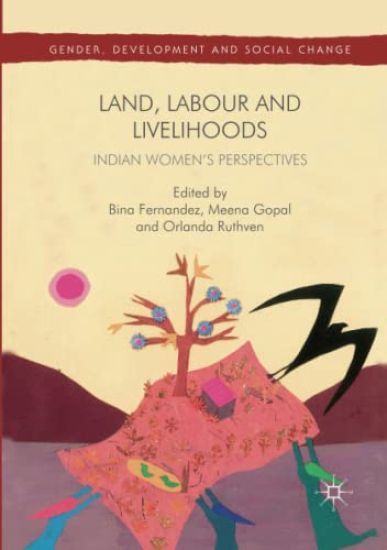
Land, Labour and Livelihoods

Land, Labour and Livelihoods

Bina Fernandez; Meena Gopal; Orlanda Ruthven

Springer International Publishing AG
2018
nidottu
This book brings together a unique collection of theoretical and empirical analyses of women’s access to land, labour and livelihoods in contemporary India. The authors recognize that gender relations must be viewed intersectionally, along with other social relationships such as caste, ethnicity, religion, sexuality and age, in order to inform an integrated analysis of women’s persistent disadvantage in India. The chapters examine a diverse range of rural and urban livelihoods within sectors such as tea plantations, nursing, hair salons, sex work and waste collection. Documenting the shifts in these sectors in the context of economic liberalization, the authors offer insights on the challenges of development interventions as women negotiate shifts in their livelihood options. Written to engage, the contributions to this book will be of interest both to the general reader and to academics and practitioners in development and gender/women’s studies.
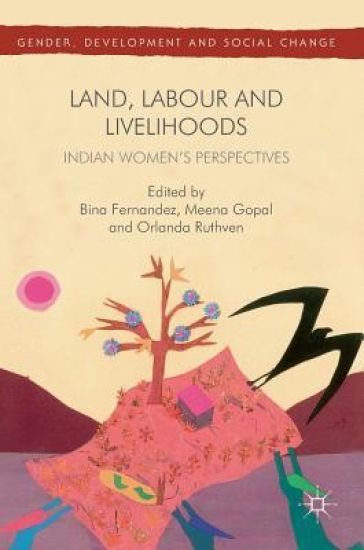
Land, Labour and Livelihoods

Land, Labour and Livelihoods

Bina Fernandez; Meena Gopal; Orlanda Ruthven

Springer International Publishing AG
2016
sidottu
This book brings together a unique collection of theoretical and empirical analyses of women’s access to land, labour and livelihoods in contemporary India. The authors recognize that gender relations must be viewed intersectionally, along with other social relationships such as caste, ethnicity, religion, sexuality and age, in order to inform an integrated analysis of women’s persistent disadvantage in India. The chapters examine a diverse range of rural and urban livelihoods within sectors such as tea plantations, nursing, hair salons, sex work and waste collection. Documenting the shifts in these sectors in the context of economic liberalization, the authors offer insights on the challenges of development interventions as women negotiate shifts in their livelihood options. Written to engage, the contributions to this book will be of interest both to the general reader and to academics and practitioners in development and gender/women’s studies.