Kirjojen hintavertailu – 12 903 725 kirjaa ja 27 kauppaa
Kirjailija
Mel Stanfill
Kirjat ja teokset yhdessä paikassa: 11 kirjaa, julkaisuja vuosilta 2019–2026, suosituimpiin kuuluu Teaching AI in Film and Media Studies. Vertaile teosten hintoja ja tarkista saatavuus suomalaisista kirjakaupoista.
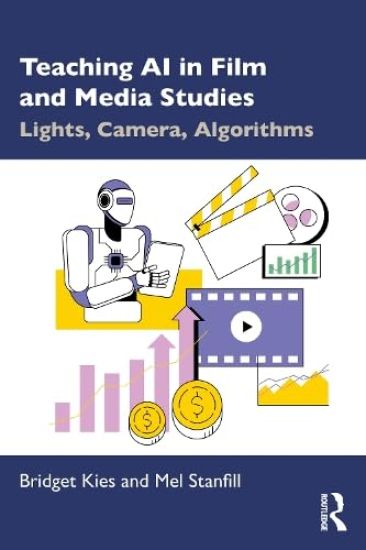
A timely intervention into the role of AI in teaching film and media studies, this book offers insights into how scholars and educators can adapt their approaches in the face of emerging technologies. Exploring the intersection of generative AI with film and media studies, this book highlights the importance of addressing AI in the classroom. It advocates for teaching AI literacy as an extension of media literacy, encouraging students to understand AI's biases and limitations. It explores the impact of AI on a variety of widely taught topics, including copyright and remix culture, the concept of authorship and collaborative storytelling, film and media production, its potential in relation to speculative history and archival research, labor concerns in the media industries, as well as impacts on fans and audiences. The book considers how AI can foster creativity and critical thinking in students as they prepare for future roles in evolving media industries. Each chapter features suggested readings, activities, and assignments that can be implemented in and out of class to reinforce and cultivate AI literacy and proficiency. This book is an essential resource for faculty members in Film and Media Studies who want to know more about how to engage with generative AI tools in their teaching, as well as graduate students taking pedagogy-focused courses.
A timely intervention into the role of AI in teaching film and media studies, this book offers insights into how scholars and educators can adapt their approaches in the face of emerging technologies. Exploring the intersection of generative AI with film and media studies, this book highlights the importance of addressing AI in the classroom. It advocates for teaching AI literacy as an extension of media literacy, encouraging students to understand AI's biases and limitations. It explores the impact of AI on a variety of widely taught topics, including copyright and remix culture, the concept of authorship and collaborative storytelling, film and media production, its potential in relation to speculative history and archival research, labor concerns in the media industries, as well as impacts on fans and audiences. The book considers how AI can foster creativity and critical thinking in students as they prepare for future roles in evolving media industries. Each chapter features suggested readings, activities, and assignments that can be implemented in and out of class to reinforce and cultivate AI literacy and proficiency. This book is an essential resource for faculty members in Film and Media Studies who want to know more about how to engage with generative AI tools in their teaching, as well as graduate students taking pedagogy-focused courses.
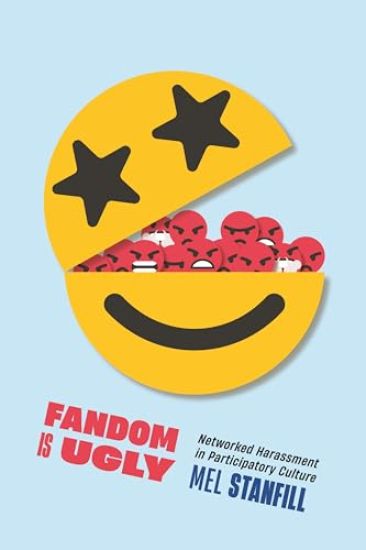
Highlights the importance of considering contemporary public culture through the lens of fan studies The Gamergate harassment campaign of women in video games, the "Unite the Right" rally where hundreds of Confederate monument supporters cried out racist and antisemitic slurs in Charlottesville, and the targeted racist and sexist harassment of Star Wars' Asian American actress Kelly Marie Tran all have one thing in common: they demonstrate the collective power and underlying ugliness of fandoms. These fans might feel victimized or betrayed by the content they've intertwined with their own identities, or they may simply feel that they're speaking truth to power. Regardless, by connecting via social media, they can unleash enormous amounts of hate, which often results in severe real-world consequences. Fandom Is Ugly argues that reactionary politics and media fandoms go hand in hand, and to understand one, we need to understand the other. Mel Stanfill pushes back on two mainstream assumptions: that media and the pleasure of consumption are frivolous and unworthy of study, and that fandoms are inherently progressive. Drawing on a corpus of angry social media posts, Fandom Is Ugly finds that ugly moments happen when deep emotional attachments collide with social structures and situations that have been misunderstood. By holistically examining the forms of ugly fandom in cases that touch upon race, gender, and sexuality, Fandom Is Ugly produces a comprehensive theory of the negative sides of fan attachments.
Highlights the importance of considering contemporary public culture through the lens of fan studies The Gamergate harassment campaign of women in video games, the "Unite the Right" rally where hundreds of Confederate monument supporters cried out racist and antisemitic slurs in Charlottesville, and the targeted racist and sexist harassment of Star Wars' Asian American actress Kelly Marie Tran all have one thing in common: they demonstrate the collective power and underlying ugliness of fandoms. These fans might feel victimized or betrayed by the content they've intertwined with their own identities, or they may simply feel that they're speaking truth to power. Regardless, by connecting via social media, they can unleash enormous amounts of hate, which often results in severe real-world consequences. Fandom Is Ugly argues that reactionary politics and media fandoms go hand in hand, and to understand one, we need to understand the other. Mel Stanfill pushes back on two mainstream assumptions: that media and the pleasure of consumption are frivolous and unworthy of study, and that fandoms are inherently progressive. Drawing on a corpus of angry social media posts, Fandom Is Ugly finds that ugly moments happen when deep emotional attachments collide with social structures and situations that have been misunderstood. By holistically examining the forms of ugly fandom in cases that touch upon race, gender, and sexuality, Fandom Is Ugly produces a comprehensive theory of the negative sides of fan attachments.
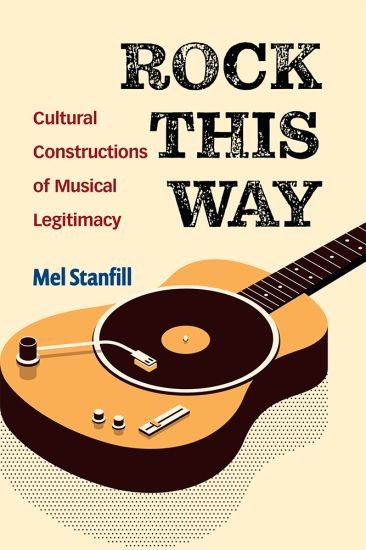
Any and all songs are capable of being remixed. But not all remixes are treated equally. Rock This Way examines transformative musical works—cover songs, remixes, mash-ups, parodies, and soundalike songs—to discover what contemporary American culture sees as legitimate when it comes to making music that builds upon other songs. Through examples of how popular discussion talked about such songs between 2009 and 2018, Mel Stanfill uses a combination of discourse analysis and digital humanities methods to interrogate our broader understanding of transformative works and where they converge at the legal, economic, and cultural ownership levels. Rock This Way provides a new way of thinking about what it means to re-create and borrow music, how the racial identity of both the reusing artist and the reused artist matters, and the ways in which the law polices artists and their works. Ultimately, Stanfill demonstrates that the extent to which a work is seen as having new expression or meaning is contingent upon notions of creativity, legitimacy, and law, all of which are shaped by white supremacy.
Any and all songs are capable of being remixed. But not all remixes are treated equally. Rock This Way examines transformative musical works—cover songs, remixes, mash-ups, parodies, and soundalike songs—to discover what contemporary American culture sees as legitimate when it comes to making music that builds upon other songs. Through examples of how popular discussion talked about such songs between 2009 and 2018, Mel Stanfill uses a combination of discourse analysis and digital humanities methods to interrogate our broader understanding of transformative works and where they converge at the legal, economic, and cultural ownership levels. Rock This Way provides a new way of thinking about what it means to re-create and borrow music, how the racial identity of both the reusing artist and the reused artist matters, and the ways in which the law polices artists and their works. Ultimately, Stanfill demonstrates that the extent to which a work is seen as having new expression or meaning is contingent upon notions of creativity, legitimacy, and law, all of which are shaped by white supremacy.
Increasingly over the past decade, fan credentials on the part of writers, directors, and producers have come to be seen as a guarantee of quality media making - the "fanboy auteur". Figures like Joss Whedon are both one of "us" and one of "them". This is a strategy of marketing and branding - it is a claim from the auteur himself or industry PR machines that the presence of an auteur who is also a fan means the product is worth consuming. Such claims that fan credentials guarantee quality are often contested, with fans and critics alike rejecting various auteur figures as the true leader of their respective franchises. That split, between assertions of fan and auteur status and acceptance (or not) of that status, is key to unravelling the fan auteur. In A Portrait of the Auteur as Fanboy: The Construction of Authorship in Transmedia Franchises, authors Anastasia Salter and Mel Stanfill examine this phenomenon through a series of case studies featuring fanboys. The volume discusses both popular fanboys, such as J. J. Abrams, Kevin Smith, and Joss Whedon, as well as fangirls like J. K. Rowling, E. L. James, and Patty Jenkins, and dissects how the fanboy-fangirl auteur dichotomy is constructed and defended by popular media and fans in online spaces, and how this discourse has played in maintaining the exclusionary status quo of geek culture. This book is particularly timely given current discourse, including such incidents as the controversy surrounding Joss Whedon's so-called feminism, the publication of Harry Potter and the Cursed Child, and contestation over authorial voices in the DC cinematic universe, as well as broader conversations about toxic masculinity and sexual harassment in Hollywood.
Increasingly over the past decade, fan credentials on the part of writers, directors, and producers have come to be seen as a guarantee of quality media making - the "fanboy auteur". Figures like Joss Whedon are both one of "us" and one of "them". This is a strategy of marketing and branding - it is a claim from the auteur himself or industry PR machines that the presence of an auteur who is also a fan means the product is worth consuming. Such claims that fan credentials guarantee quality are often contested, with fans and critics alike rejecting various auteur figures as the true leader of their respective franchises. That split, between assertions of fan and auteur status and acceptance (or not) of that status, is key to unravelling the fan auteur. In A Portrait of the Auteur as Fanboy: The Construction of Authorship in Transmedia Franchises, authors Anastasia Salter and Mel Stanfill examine this phenomenon through a series of case studies featuring fanboys. The volume discusses both popular fanboys, such as J. J. Abrams, Kevin Smith, and Joss Whedon, as well as fangirls like J. K. Rowling, E. L. James, and Patty Jenkins, and dissects how the fanboy-fangirl auteur dichotomy is constructed and defended by popular media and fans in online spaces, and how this discourse has played in maintaining the exclusionary status quo of geek culture. This book is particularly timely given current discourse, including such incidents as the controversy surrounding Joss Whedon's so-called feminism, the publication of Harry Potter and the Cursed Child, and contestation over authorial voices in the DC cinematic universe, as well as broader conversations about toxic masculinity and sexual harassment in Hollywood.
As more and more fans rush online to share their thoughts on their favorite shows or video games, they might feel like the process of providing feedback is empowering. However, as fan studies scholar Mel Stanfill argues, these industry invitations for fan participation indicate not greater fan power but rather greater fan usefulness. Stanfill's argument, controversial to some in the field, compares the “domestication of fandom” to the domestication of livestock, contending that, just as livestock are bred bigger and more docile as they are domesticated, so, too, are fans as the entertainment industry seeks to cultivate a fan base that is both more useful and more controllable. By bringing industry studies and fan studies into the conversation, Stanfill looks closely at just who exactly the industry considers “proper fans” in terms of race, gender, age, and sexuality, and interrogates how digital media have influenced consumption, ultimately finding that the invitation to participate is really an incitement to consume in circumscribed, industry-useful ways.