Kirjojen hintavertailu – 12 859 819 kirjaa ja 27 kauppaa

Kirjailija

Melissa Cheesman Smith

Kirjat ja teokset yhdessä paikassa: 11 kirjaa, julkaisuja vuosilta 2014–2025, suosituimpiin kuuluu The MegaBook of Fluency, 2nd Edition. Vertaile teosten hintoja ja tarkista saatavuus suomalaisista kirjakaupoista.

11 kirjaa

Kirjojen julkaisuvuodet: 2014–2025.

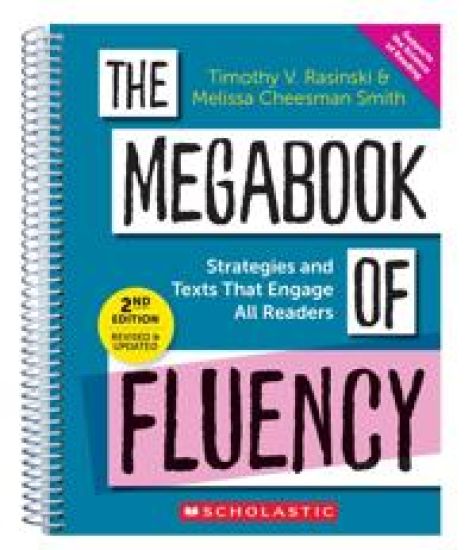
The MegaBook of Fluency, 2nd Edition

The MegaBook of Fluency, 2nd Edition

Timothy V. Rasinski; Melissa Cheesman Smith

SCHOLASTIC US
2025
kierre
Fluency expert Tim Rasinski teams up with Melissa Cheesman Smith, a veteran teacher, to help teachers effectively weave fluency work into their daily reading instruction. Fluency is the bridge between word recognition and comprehension. If students don't develop it, they will struggle to read proficiently. In this eagerly anticipated new edition, Rasinski and Smith discuss fluency's connection to the science of reading. They provide dozens of ready-to-use, science-backed teaching strategies and student practice pages, updated to include more diverse authors. The book's easy-to-navigate design now includes QR codes to demonstration videos and downloadable student pages. ready-to-use, science-backed teaching strategies student practice pages - updated to include more diverse authors online demonstration videos downloadable student pages "I am a longstanding fan of The Megabook of Fluency. For schools looking to teach fluency rather than purely assess it, this is the must-have text." Rachel Clarke, Independent Reading Consultant [about The Megabook of Fluency 1st edition] ABOUT THE AUTHORS Timothy Rasinski is a professor of Literacy Education at Kent State University and director of its award-winning reading clinic. He has written more than 200 articles and has authored, co-authored, or edited more than 50 books or curriculum programs on reading education. He is author of the best-selling books The Fluent Reader, The Megabook of Fluency, and the Daily Word Ladder series. His scholarly interests include reading fluency, word study, and striving readers. He taught for several years as an elementary and middle grade classroom and reading intervention teacher. Melissa Cheesman Smith is an experienced teacher at the elementary and college level with a Master's of Education in Curriculum and Instruction. She is a published author of literacy professional books. She currently lives in Mesa, Arizona with her husband and three children.
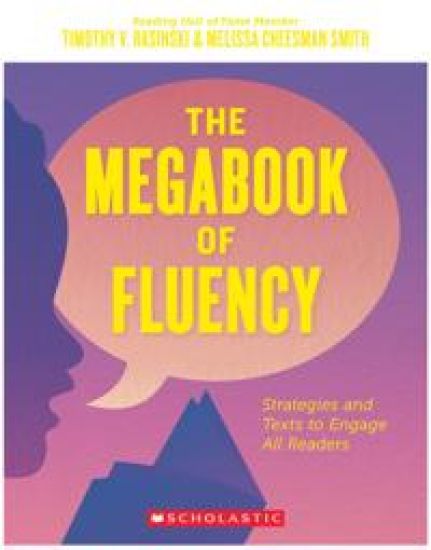
The Megabook of Fluency

The Megabook of Fluency

Timothy V. Rasinski; Melissa Cheesman Smith

Scholastic US
2021
nidottu
Fluency expert Tim Rasinski teams up with Melissa Cheesman Smith, a veteran teacher, to help teachers effectively weave fluency work into their daily reading instruction. The book is packed with engaging text and tools, an assessment scale, and high quality ready-to-use lessons including text phrasing and tonality, echo reading, word ladders, and more! Given the importance of fluency- and its pivotal relationship to comprehension and word recognition - the potential is high for improving students' overall reading achievement, and their performance in other content areas. "I am a longstanding fan of The Megabook of Fluency. For schools looking to teach fluency rather than purely assess it, this is the must-have text." Rachel Clarke, Independent Reading Consultant
Daily Word Ladders: Idioms, Grades 4+: 90 Word Ladders to Take Word Study to the Next Level

Daily Word Ladders: Idioms, Grades 4+: 90 Word Ladders to Take Word Study to the Next Level

Timothy Rasinski; Melissa Cheesman Smith

Scholastic Professional
2020
nidottu
A new addition to the best-selling series, Daily Word Ladders: Idioms makes learning figurative language a piece of cake. Students learn the meanings of dozens of common idiomatic expressions that can throw even thriving readers off balance. These motivating word-study lessons give students the tools to unlock the meaning of challenging texts, broaden their vocabulary, and improve their writing skills. Great support for English language learners.
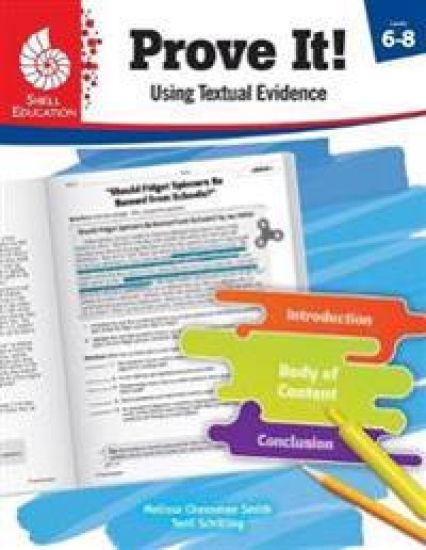
Prove It! Using Textual Evidence, Levels 6-8

Prove It! Using Textual Evidence, Levels 6-8

Melissa Cheesman Smith; Terri Schilling

Shell Educational Publishing
2018
pokkari
Knowing how to cite textual evidence is a key component in reading and writing in education today. This resource equips teachers with the strategies they need to teach students how to cite and annotate textual evidence when reading and writing. Secondary school students will learn how to find evidence to support their opinions, incorporate that evidence in their writing, and accurately cite their sources. The ten lessons include proper MLA formatting, paraphrasing, using block quotation, creating a bibliography, the use of credible sources, avoiding plagiarism, and more. Students will apply what they've learned through twenty practice exercises. Citing textual evidence powerfully strengthens students' writing, develops analytical thinking and logic, and readies students for college and career with lessons that are aligned to McREL, TESOL, and WIDA standards.
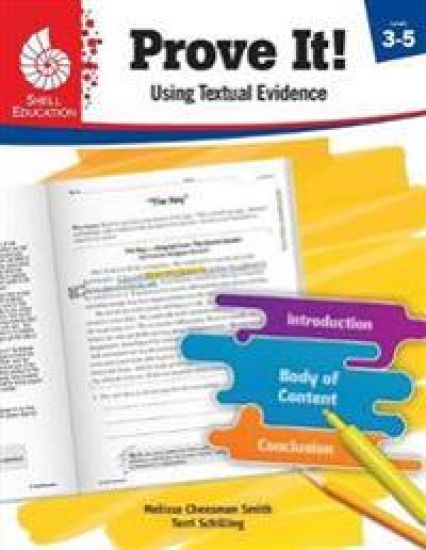
Prove It! Using Textual Evidence, Levels 3-5

Prove It! Using Textual Evidence, Levels 3-5

Melissa Cheesman Smith; Terri Schilling

Shell Educational Publishing
2018
pokkari
Knowing how to cite textual evidence is a key component in reading and writing in education today. This resource equips teachers with the strategies they need to teach students how to cite and annotate textual evidence when reading and writing. Primary school students will learn how to find evidence to support their opinions, incorporate that evidence in their writing, and accurately cite their sources. The ten lessons include proper MLA formatting, paraphrasing, the use of credible sources, avoiding plagiarism, and more. Students will apply what they've learned through twenty practice exercises. Citing textual evidence powerfully strengthens students' writing, develops analytical thinking and logic, and readies students for college and career with lessons that are aligned to McREL, TESOL, and WIDA standards.
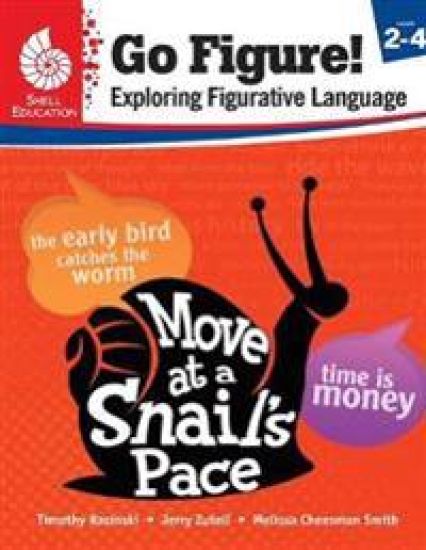
Go Figure! Exploring Figurative Language, Levels 2-4

Go Figure! Exploring Figurative Language, Levels 2-4

Timothy Rasinski; Jerry Zutell; Melissa Cheesman Smith

Shell Educational Publishing
2017
pokkari
Go Figure! Exploring Figurative Language highlights a variety of common idioms for learners in grades 2 4. Students will deepen their skills in writing, understanding word meanings, and using context clues with this engaging classroom resource. Based on today's standards, this resource includes 20 content-based lessons in the areas of science, social studies, and mathematics. Teacher overview pages, student activities, and digital resources are included.
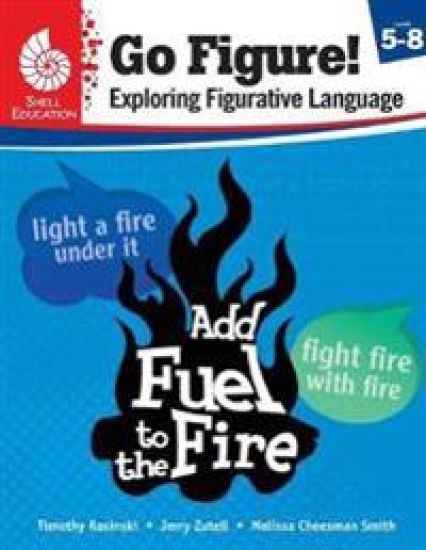
Go Figure! Exploring Figurative Language, Levels 5-8

Go Figure! Exploring Figurative Language, Levels 5-8

Timothy Rasinski; Jerry Zutell; Melissa Cheesman Smith

Shell Educational Publishing
2017
pokkari
Go Figure! Exploring Figurative Language highlights a variety of common idioms and proverbs for students in grades 5 8. Students will deepen their skills in writing, understanding word meanings, and using context clues with this engaging classroom resource. Based on today's standards, this resource includes 20 content-based lessons in the areas of science, social studies, and mathematics. Teacher overview pages, student activities, and digital resources are included.
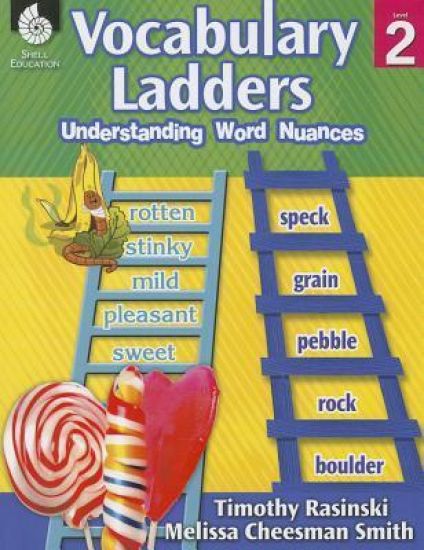
Vocabulary Ladders: Understanding Word Nuances Level 2

Vocabulary Ladders: Understanding Word Nuances Level 2

Timothy Rasinski; Melissa Cheesman Smith

Shell Education Pub
2014
nidottu
Choosing appropriate words to express an idea is important to improve students' reading comprehension and writing composition skills. Vocabulary Ladders: Understanding Words Nuances provides second grade students with fun and engaging vocabulary activities to support word knowledge within reading and writing skills. This resource provides a framework to teach related words using a cluster approach that helps students learn many semantically related words at once. With this series, students will discuss differences between themed words, order words and explain their thinking, use words in context, and use words in writing.
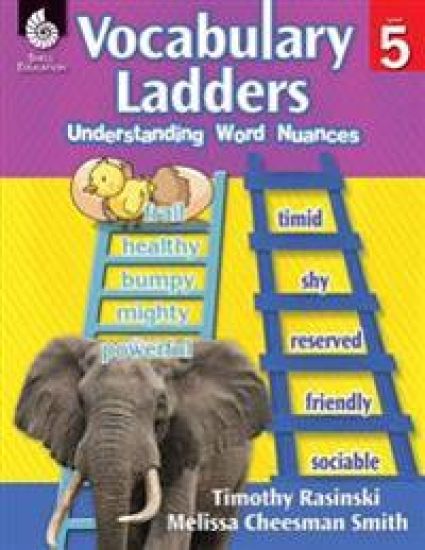
Vocabulary Ladders: Understanding Word Nuances Level 5 [With CDROM]

Vocabulary Ladders: Understanding Word Nuances Level 5 [With CDROM]

Timothy Rasinski; Melissa Cheesman Smith

Shell Education Pub
2014
nidottu
Choosing appropriate words to express an idea is important to improve students' reading comprehension and writing composition skills. Vocabulary Ladders: Understanding Words Nuances provides fifth grade students with fun and engaging vocabulary activities to support word knowledge within reading and writing skills. This resource provides a framework to teach related words using a cluster approach that helps students learn many semantically related words at once. With this series, students will discuss differences between themed words, order words and explain their thinking, use words in context, and use words in writing.
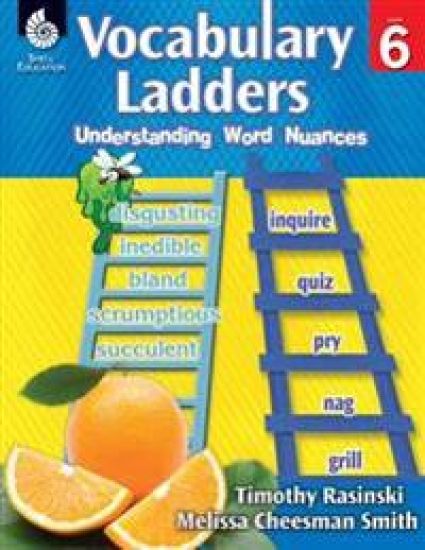
Vocabulary Ladders: Understanding Word Nuances Level 6 [With CDROM]

Vocabulary Ladders: Understanding Word Nuances Level 6 [With CDROM]

Timothy Rasinski; Melissa Cheesman Smith

Shell Education Pub
2014
nidottu
Choosing appropriate words to express an idea is important to improve students' reading comprehension and writing composition skills. Vocabulary Ladders: Understanding Words Nuances provides sixth grade students with fun and engaging vocabulary activities to support word knowledge within reading and writing skills. This resource provides a framework to teach related words using a cluster approach that helps students learn many semantically related words at once. With this series, students will discuss differences between themed words, order words and explain their thinking, use words in context, and use words in writing.
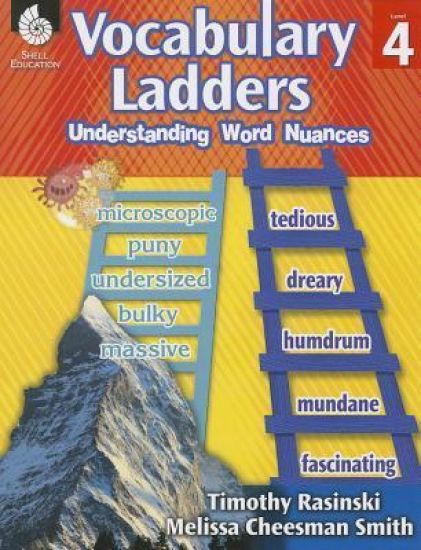
Vocabulary Ladders: Understanding Word Nuances Level 4

Vocabulary Ladders: Understanding Word Nuances Level 4

Timothy Rasinski; Melissa Cheesman Smith

Shell Education Pub
2014
nidottu
Choosing appropriate words to express an idea is important to improve students' reading comprehension and writing composition skills. Vocabulary Ladders: Understanding Words Nuances provides fourth grade students with fun and engaging vocabulary activities to support word knowledge within reading and writing skills. This resource provides a framework to teach related words using a cluster approach that helps students learn many semantically related words at once. With this series, students will discuss differences between themed words, order words and explain their thinking, use words in context, and use words in writing.