Kirjojen hintavertailu – 12 903 741 kirjaa ja 27 kauppaa

Kirjailija

Michael A. Neblo

Kirjat ja teokset yhdessä paikassa: 4 kirjaa, julkaisuja vuosilta 2015–2019, suosituimpiin kuuluu Politics with the People. Vertaile teosten hintoja ja tarkista saatavuus suomalaisista kirjakaupoista.

4 kirjaa

Kirjojen julkaisuvuodet: 2015–2019.

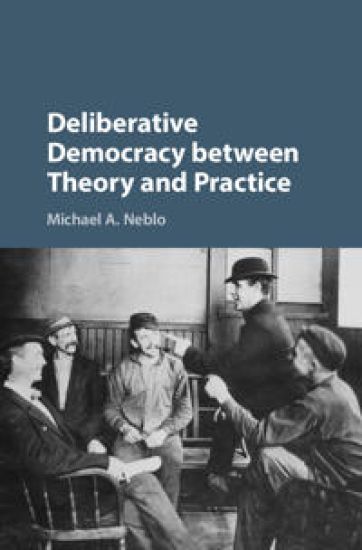
Politics with the People

Politics with the People

Michael A. Neblo; Kevin M. Esterling; David M. J. Lazer

Cambridge University Press
2019
pokkari
Many citizens in the US and abroad fear that democratic institutions have become weak, and continue to weaken. Politics with the People develops the principles and practice of 'directly representative democracy' - a new way of connecting citizens and elected officials to improve representative government. Sitting members of Congress agreed to meet with groups of their constituents via online, deliberative town hall meetings to discuss some of the most important and controversial issues of the day. The results from these experiments reveal a model of how our democracy could work, where politicians consult with and inform citizens in substantive discussions, and where otherwise marginalized citizens participate and are empowered. Moving beyond our broken system of interest group politics and partisan bloodsport, directly representative reforms will help restore citizens' faith in the institutions of democratic self-government, precisely at a time when those institutions themselves feel dysfunctional and endangered.
Politics with the People

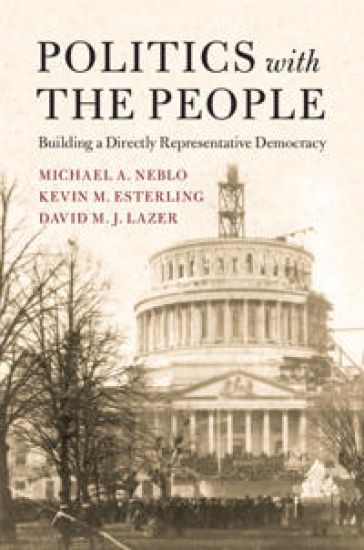
Politics with the People

Michael A. Neblo; Kevin M. Esterling; David M. J. Lazer

Cambridge University Press
2018
sidottu
Many citizens in the US and abroad fear that democratic institutions have become weak, and continue to weaken. Politics with the People develops the principles and practice of 'directly representative democracy' - a new way of connecting citizens and elected officials to improve representative government. Sitting members of Congress agreed to meet with groups of their constituents via online, deliberative town hall meetings to discuss some of the most important and controversial issues of the day. The results from these experiments reveal a model of how our democracy could work, where politicians consult with and inform citizens in substantive discussions, and where otherwise marginalized citizens participate and are empowered. Moving beyond our broken system of interest group politics and partisan bloodsport, directly representative reforms will help restore citizens' faith in the institutions of democratic self-government, precisely at a time when those institutions themselves feel dysfunctional and endangered.
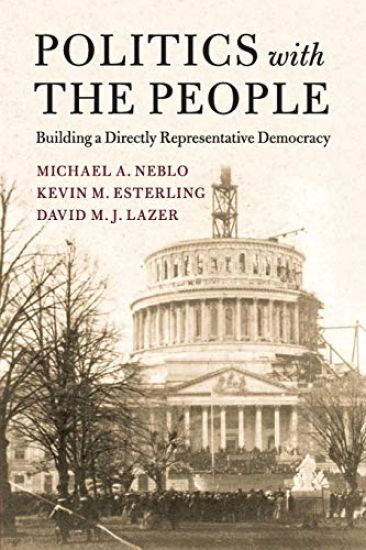
Deliberative Democracy between Theory and Practice

Deliberative Democracy between Theory and Practice

Michael A. Neblo

Cambridge University Press
2017
pokkari
Deliberative democrats seek to link political choices more closely to the deliberations of common citizens, rather than consigning them to speak only in the desiccated language of checks on a ballot. Sober thinkers from Plato to today, however, have argued that if we want to make good decisions we cannot entrust them to the deliberations of common citizens. Critics argue that deliberative democracy is wildly unworkable in practice. Deliberative Democracy between Theory and Practice cuts across this debate by clarifying the structure of a deliberative democratic system, and goes on to re-evaluate the main empirical challenges to deliberative democracy in light of this new frame. It simultaneously reclaims the wider theory of deliberative democracy and meets the empirical critics squarely on terms that advance, rather than evade, the debate. Doing so has important implications for institutional design, the normative theory of democracy, and priorities for future research and practice.
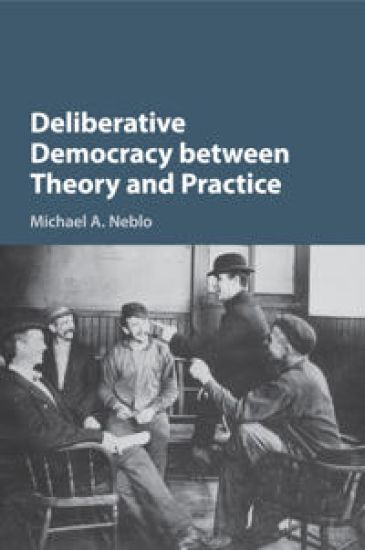
Deliberative Democracy between Theory and Practice

Deliberative Democracy between Theory and Practice

Michael A. Neblo

Cambridge University Press
2015
sidottu
Deliberative democrats seek to link political choices more closely to the deliberations of common citizens, rather than consigning them to speak only in the desiccated language of checks on a ballot. Sober thinkers from Plato to today, however, have argued that if we want to make good decisions we cannot entrust them to the deliberations of common citizens. Critics argue that deliberative democracy is wildly unworkable in practice. Deliberative Democracy between Theory and Practice cuts across this debate by clarifying the structure of a deliberative democratic system, and goes on to re-evaluate the main empirical challenges to deliberative democracy in light of this new frame. It simultaneously reclaims the wider theory of deliberative democracy and meets the empirical critics squarely on terms that advance, rather than evade, the debate. Doing so has important implications for institutional design, the normative theory of democracy, and priorities for future research and practice.