
Kirjojen hintavertailu – 12 859 824 kirjaa ja 27 kauppaa

Kirjailija

Michael Block

Kirjat ja teokset yhdessä paikassa: 3 kirjaa, julkaisuja vuosilta 2004–2022, suosituimpiin kuuluu Wind Tunnel and Propulsion Test Facilities. Vertaile teosten hintoja ja tarkista saatavuus suomalaisista kirjakaupoista.

3 kirjaa

Kirjojen julkaisuvuodet: 2004–2022.

Wind Tunnel and Propulsion Test Facilities

Wind Tunnel and Propulsion Test Facilities

Philip S. Anton; Eugene Gritton; Richard Mesic; Paul S. Steinberg; Dana J. Johnson; Michael Block; Michael Brown; Jeffrey A. Drezner; James Dryden; Tom Hamilton; Thor Hogan; Deborah Peetz; Raj Raman; Joe Strong; William Trimble

RAND
2004
pokkari
Analyzes the nation's aeronautic testing needs and the effectiveness of and management issues for, NASA's major wind tunnel and test propulsion facilities in serving those needs. The National Aeronautics and Space Adrninistration's (NASA's) wind tunnel and propulsion test facilities continue to be important to U. S. competitiveness across the military, commercial, and space sectors. Unfortunately, managemen tissues are creating real risks to these facilities. NASA needs to develop an aeronautics test technology vision and plan; analyze the viability of a national test facility plan; identify and maintain its minimum set of facilities; and identify financial shared support to keep its underutilized but essential facilities from entering financial collapse.
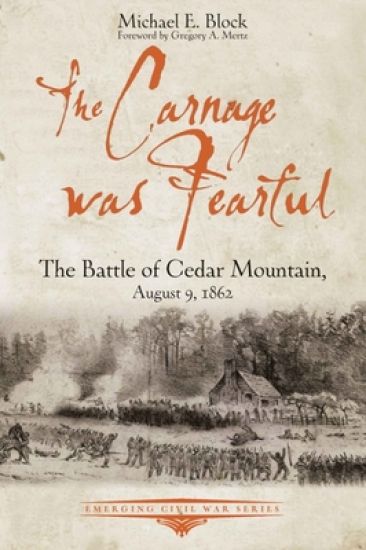
The Carnage was Fearful

The Carnage was Fearful

Michael Block

Savas Beatie
2022
nidottu
In early August 1862, Confederate Maj. Gen. Stonewall Jackson took to the field with his Army of the Valley for one last fight—one that would also turn out to be his last independent command. Near the base of Cedar Mountain, in the midst of a blistering heat wave, outnumbered Federal Infantry under Maj. Gen. Nathanial Banks attacked Jackson’s army as it marched toward Culpeper Court House. A violent three-hour battle erupted, yielding more than 3,600 casualties. “The carnage was fearful,” one observer wrote. The unexpected Federal aggressiveness nearly won the day. Jackson, attempting to rally his men, drew his sword—only to find it so rusted that it would not come unsheathed. “Jackson is with you!” he cried, brandishing the sword still in its scabbard. The tide of battle turned—and the resulting victory added to the Stonewall mystique. Civil War history typically breezes by the battle of Cedar Mountain, moving quickly from the Seven Days’ Battles into the Second Bull Run Campaign, but the stand-alone battle had major implications. It saw the emergence of the Federal cavalry as an effective intelligence collector and screening force. It also provided Confederate Maj. Gen. A. P. Hill’s first opportunity to save the day—and his first opportunity to raise Jackson’s ire. Within the Federal army, the aftermath of the battle escalated the in-fighting among generals, led to recriminations and finger-pointing over why the battle was even fought. Some called it out-right murder. Most importantly, the defeat at Cedar Mountain halted a Federal advance into central Virginia and provided the commander of the Army of Northern Virginia, Gen. Robert E. Lee, an opportunity to take the fight away from Richmond and toward Washington.