Kirjojen hintavertailu – 12 903 735 kirjaa ja 27 kauppaa

Kirjailija

Michael Burgan

Kirjat ja teokset yhdessä paikassa: 111 kirjaa, julkaisuja vuosilta 2004–2026, suosituimpiin kuuluu Surviving Earthquakes. Vertaile teosten hintoja ja tarkista saatavuus suomalaisista kirjakaupoista.

111 kirjaa

Kirjojen julkaisuvuodet: 2004–2026.

Jack the Ripper

Jack the Ripper

Michael Burgan

Aladdin Paperbacks
2017
nidottu
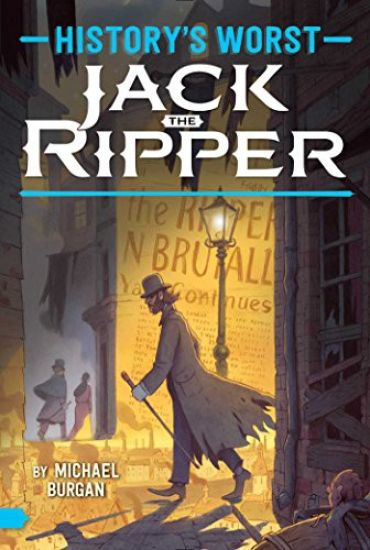
Get a behind-the-scenes glimpse of what it takes to be considered one of the worst figures in history, with this second book in a brand-new nonfiction series that focuses on the most nefarious historical figures. In 1888, London was terrorized by a mysterious man with a knife. Between the end of August and beginning of November, this man committed five known murders--possibly more. Then, just as suddenly as they started, the killings stopped. Dubbed "Jack the Ripper" by the press, he slipped through the dark, foggy streets of London's Whitchapel district, targeting women and leaving no witnesses and no clues as to his identity. The police were stumped. The press went wild. But no one could find Jack the Ripper. Even today, Jack the Ripper continues to fascinate. Amateur detectives, known as "Ripperologists", books, movies, and walking tours all focus on one question: who was Jack the Ripper? Get a little closer to finding out with this biography that takes a deeper look at Jack the Ripper...because while he may be one of history's worst people, his legend lives on.

Japanese American Internment

Japanese American Internment

Michael Burgan

Compass Point Books
2017
sidottu
The United States entered World War II after a surprise attack by the Japanese on December 7, 1941. U. S. officials feared that Japanese Americans would betray their country and help Japan. Nearly 120,000 Japanese Americans were taken from their homes and moved into relocation centers, which some viewed as concentration camps. The internees, backed by many other Americans, believed that their fundamental rights as U. S. citizens had been denied. Years later the government apologized for its unjust actions.
Finding the Titanic: How Images from the Ocean Depths Fueled Interest in the Doomed Ship
On the night of April 14, 1912, as it made its first voyage, the luxury steamship Titanic struck an iceberg. Then, a few hours after midnight on April 15, the ship sank thousands of feet before settling on the ocean floor. And that's where it stayed, whereabouts unknown, for the next 73 years until it was discovered by oceanographer Robert Ballard and his crew. The pictures and video Ballard brought back from the 1985 discovery helped stir new interest in the Titanic's voyage and its resting spot.
Finding the Titanic: How Images from the Ocean Depths Fueled Interest in the Doomed Ship
On the night of April 14, 1912, as it made its first voyage, the luxury steamship Titanic struck an iceberg. Then, a few hours after midnight on April 15, the ship sank thousands of feet before settling on the ocean floor. And that's where it stayed, whereabouts unknown, for the next 73 years until it was discovered by oceanographer Robert Ballard and his crew. The pictures and video Ballard brought back from the 1985 discovery helped stir new interest in the Titanic's voyage and its resting spot.
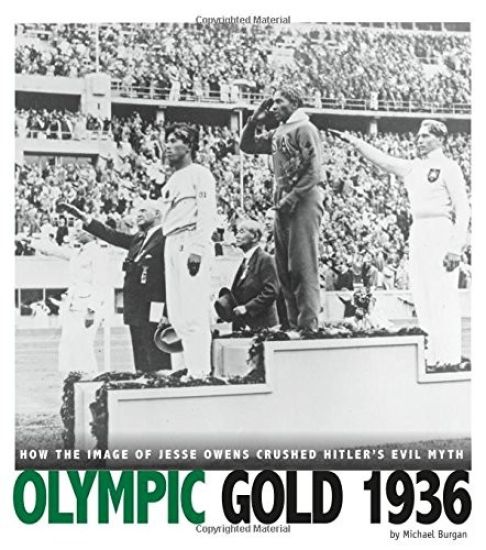
Olympic Gold 1936: How the Image of Jesse Owens Crushed Hitler's Evil Myth
Jesse Owens' gold-medal winning feats at the 1936 Olympics in Berlin struck a mighty propaganda blow against Adolf Hitler. The Nazi leader had planned to use the German games as a showcase of supposed Aryan superiority. Instead, there was American black athlete Owens on the podium being photographed by Hitler's personal photographer, Heinrich Hoffmann. In addition, Owens would figure prominently in the groundbreaking film Olympia by Hitler's favorite director Leni Riefenstahl. Photo and film captured Owens' stunning success and revealed how wrong Hitler was in his beliefs.
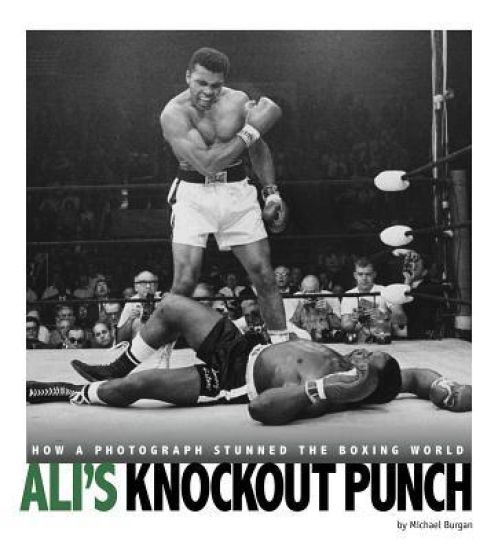
Ali's Knockout Punch: How a Photograph Stunned the Boxing World
It's one of the most famous sports images of all time. Former heavyweight boxing champion Sonny Liston is sprawled on his back in the boxing rim. Muhammad Ali stands over Liston, holding his right hand as if ready to throw another punch. The reigning world champion had just thrown a short, right-handed punch to the side of Liston's head. In a flash, Liston had gone down. The photo of the angry Ali standing over the fallen challenger was taken in an instant by photojournalist John Rooney, but the controversy over the 1965 fight lingers to this day.
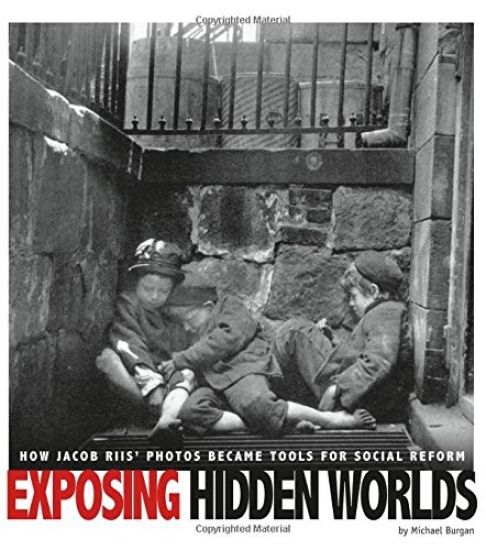
Exposing Hidden Worlds: How Jacob Riis' Photos Became Tools for Social Reform
President Theodore Roosevelt called Jacob Riis the best American I ever knew. The pioneering photojournalist, an immigrant from Denmark, drew attention to the poverty and evils of slum life in the late 1800s. Riis won national acclaim when his photos illustrated his bestselling book How the Other Half Lives. The book focused on the difficult time immigrants faced as thousands of newcomers flooded into the United States each year. Riis called for reform and hoped to prod government officials to help the poor people who were forced to live under horrible conditions. The impact of Riis' photos came from capturing the poor and homeless as they lived and worked, with the subjects' eyes often staring directly into the camera. The great photographer Ansel Adams called them magnificent achievements in the field of humanistic photography. But the reforms that came from Riis' work have not eliminated urban poverty and homelessness, and important work remains to be done.
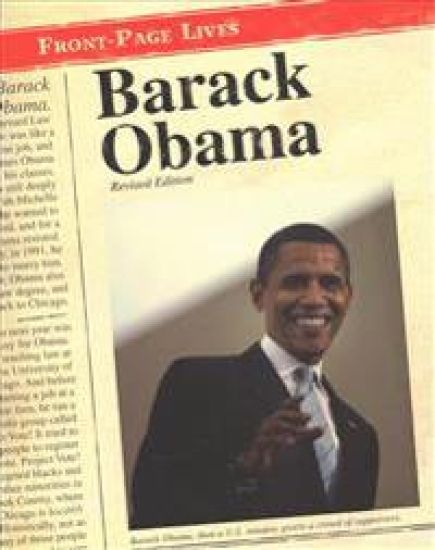
Barack Obama

Barack Obama

Michael Burgan

HEINEMANN EDUCATIONAL BOOKS
2016
nidottu
Just a few years ago, most people had never even heard the name Barack Obama. Now he is the President of the United States, the first African-American to hold the office. A brilliant speaker, Obama energized voters, inspiring many who had never voted before to do so. Who is Barack Obama and how did he become so powerful so quickly? What makes him so driven? The exciting biographies in the Front-Page Lives series take an in-depth look at some of the world's most fascinating people.
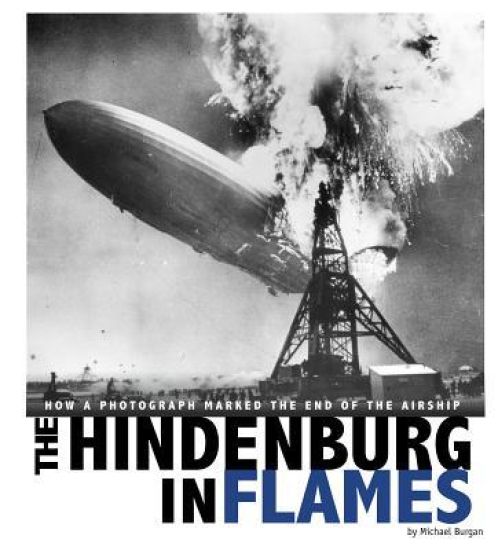
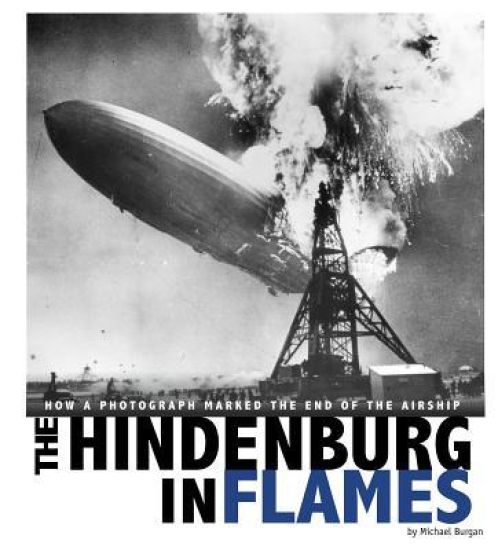
The Hindenburg in Flames: How a Photograph Marked the End of the Airship
When it went down in flames, the Hindenburg went down in history. The era of airship travel ended with a disastrous explosion May 6, 1937. Sam Shere's photo of the Hindenburg in flames has been called the most famous news photograph ever taken. The entire episode from first flash to destruction took less than a minute. It happened so fast that Shere, who could feel the heat of the burning airship, had no time to raise his camera to his eye. His famous photo, which was the first ever to show a major air disaster as it happened, was shot from the hip.
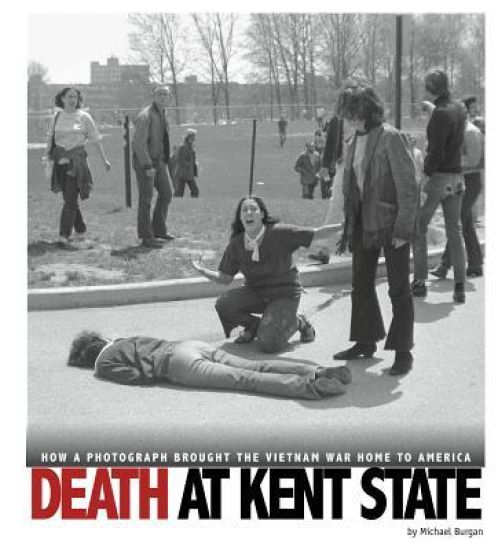
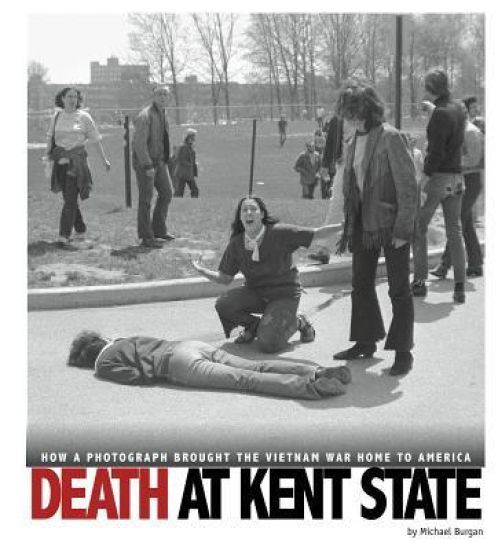
Death at Kent State: How a Photograph Brought the Vietnam War Home to America
It didn't seem possible. Four college students shot dead May 4, 1970, by Ohio National Guardsmen during a protest against the Vietnam War. The shootings at Kent State University would shock the nation and spark a mass student strike across the country, the only one in U. S. history. A photojournalism student's photograph of a teen girl crying in anguish over a victim's dead body would win the Pulitzer Prize and become a symbol of the antiwar movement.
Death at Kent State: How a Photograph Brought the Vietnam War Home to America
It didn't seem possible. Four college students shot dead May 4, 1970, by Ohio National Guardsmen during a protest against the Vietnam War. The shootings at Kent State University would shock the nation and spark a mass student strike across the country, the only one in U. S. history. A photojournalism student's photograph of a teen girl crying in anguish over a victim's dead body would win the Pulitzer Prize and become a symbol of the antiwar movement.
The Hindenburg in Flames

The Hindenburg in Flames

Michael Burgan

Compass Point Books
2016
nidottu
When it went down in flames, the Hindenburg went down in history. The era of airship travel ended with a disastrous explosion May 6, 1937. Sam Shere's photo of the Hindenburg in flames has been called the most famous news photograph ever taken. The entire episode--from first flash to destruction--took less than a minute. It happened so fast that Shere, who could feel the heat of the burning airship, had no time to raise his camera to his eye. His famous photo, which was the first ever to show a major air disaster as it happened, was shot from the hip.
A Chronology of U.S. Special Ops

A Chronology of U.S. Special Ops

Michael Burgan

Capstone Press
2016
sidottu
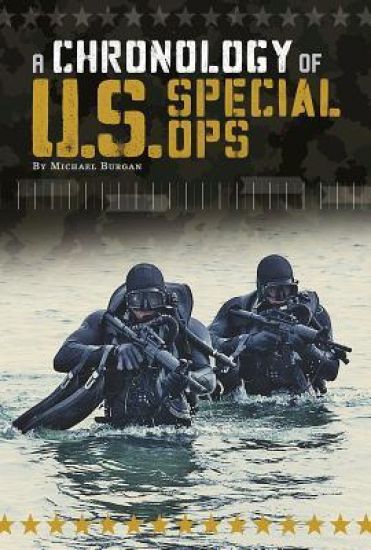
Take a fascinating trip through the history of Special Ops in the United States. Readers will learn about the impact special ops had on a fledgling nation and how special ops work around the world today. Learn what has changed through the years--and what hasn't.