Kirjojen hintavertailu – 12 903 735 kirjaa ja 27 kauppaa
Kirjailija
Michael Cary
Kirjat ja teokset yhdessä paikassa: 7 kirjaa, julkaisuja vuosilta 2014–2027, suosituimpiin kuuluu Pablo Picasso. Vertaile teosten hintoja ja tarkista saatavuus suomalaisista kirjakaupoista.
Johnnie, Cary's phenomenal first foray into literature, is the coming of age story of a young writer and scholar. As a genuine 21st century k nstlerroman, Johnnie allows for the reader to witness the actual development of a young writer through its lucid revelation of the actual process of writing a novel along with the accompanying thoughts and anguishes of an angst-ridden, analytic mind all while delivering a poignant critique of life in the 21st century for an aspiring young intellectual.
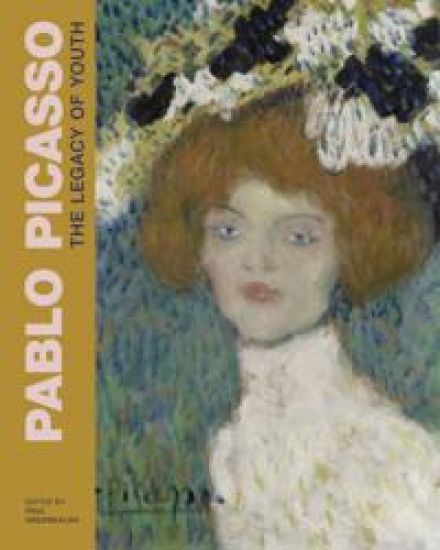
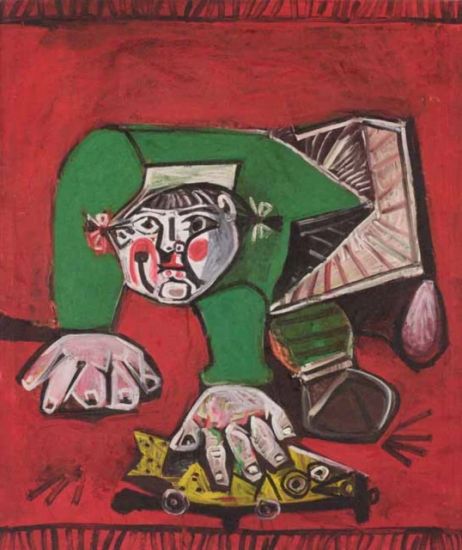
Drawn largely from Picasso s estate, the book features over sixty rarely seen paintings, sculptures, and drawings from the full span of his career, from 1896 to 1972. Inspired by the achronological approach that Picasso took when installing his first retrospective in 1932, works from across decades are placed in conversation, encouraging viewers to discover new personal connections and continuities. Fully illustrated with colour plates, including extensive installation photography, the catalogue reproduces all the works in the exhibition alongside details and archival images of the artist and his studios. It includes an introduction by Larry Gagosian; a conversation between Paloma Picasso and artist Peter Doig addressing the inspiration behind the exhibition and recounting her father's creative life; 'Hanging with Picasso,' an essay by Michael Cary reflecting on the diversity of the artist's practice; and a translation of a 1932 conversation between Picasso and E. Teriade. The cloth hardcover is housed in a slipcase featuring the painting Fillette jouant avec une voiture (Paloma fond rouge) (1951) and the sculpture Petite fille sautant a la corde (1950).
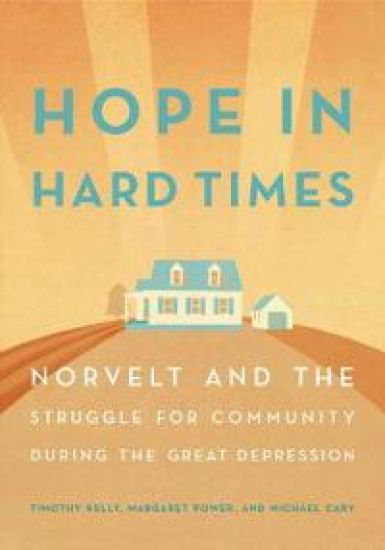
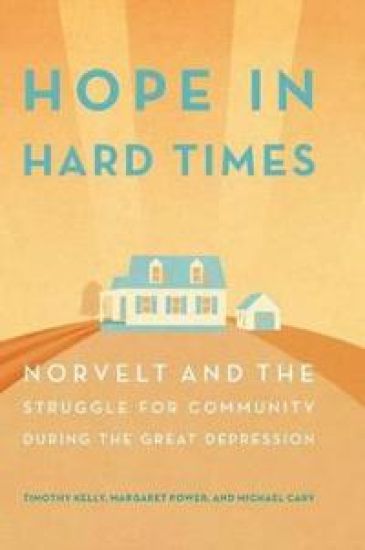
Of the many recipients of federal support during the Great Depression, the citizens of Norvelt, Pennsylvania, stand out as model reminders of the vital importance of New Deal programs. Hoping to transform their desperate situation, the 250 families of this western Pennsylvania town worked with the federal government to envision a new kind of community that would raise standards of living through a cooperative lifestyle and enhanced civic engagement. Their efforts won them a nearly mythic status among those familiar with Norvelt’s history. Hope in Hard Times explores the many transitions faced by those who undertook this experiment. With the aid of the New Deal, these residents, who hailed from the hardworking and underserved class that Jacob Riis had called the “other half” a generation earlier, created a middle-class community that would become an exemplar of the success of such programs. Despite this, many current residents of Norvelt—the children and grandchildren of the first inhabitants—oppose government intervention and support political candidates who advocate scrutinizing and even eliminating public programs. Authors Timothy Kelly, Margaret Power, and Michael Cary examine this still-unfolding narrative of transformation in one Pennsylvania town, and the struggles and successes of its original residents, against the backdrop of one of the most ambitious federal endeavors in U. S. history.
Of the many recipients of federal support during the Great Depression, the citizens of Norvelt, Pennsylvania, stand out as model reminders of the vital importance of New Deal programs. Hoping to transform their desperate situation, the 250 families of this western Pennsylvania town worked with the federal government to envision a new kind of community that would raise standards of living through a cooperative lifestyle and enhanced civic engagement. Their efforts won them a nearly mythic status among those familiar with Norvelt’s history. Hope in Hard Times explores the many transitions faced by those who undertook this experiment. With the aid of the New Deal, these residents, who hailed from the hardworking and underserved class that Jacob Riis had called the “other half” a generation earlier, created a middle-class community that would become an exemplar of the success of such programs. Despite this, many current residents of Norvelt—the children and grandchildren of the first inhabitants—oppose government intervention and support political candidates who advocate scrutinizing and even eliminating public programs. Authors Timothy Kelly, Margaret Power, and Michael Cary examine this still-unfolding narrative of transformation in one Pennsylvania town, and the struggles and successes of its original residents, against the backdrop of one of the most ambitious federal endeavors in U. S. history.