Kirjojen hintavertailu – 12 859 818 kirjaa ja 27 kauppaa

Kirjailija

Michael Cronin

Kirjat ja teokset yhdessä paikassa: 19 kirjaa, julkaisuja vuosilta 2003–2022, suosituimpiin kuuluu Translation and Identity. Vertaile teosten hintoja ja tarkista saatavuus suomalaisista kirjakaupoista.

19 kirjaa

Kirjojen julkaisuvuodet: 2003–2022.

Eco-Travel

Eco-Travel

Michael Cronin

Cambridge University Press
2022
pokkari
Human encounters with the natural world are inseparable from the history of travel. Nature, as fearsome obstacle, a wonder to behold or a source of therapeutic refuge, is bound up with the story of human mobility. Stories of this mobility give readers a sense of the diversity of the natural world, how they might interpret and respond to it and how human preoccupations are a help or a hindrance in maintaining bio-cultural diversity. Travel writing has constantly shaped how humans view the environment from foreign adventures to flight-shaming. If much of modern travel writing has been based on ready access to environmentally damaging forms of transport how do travel writers deal with a practice that is destroying the world they claim to cherish? This Element explores human travel encounters with the environment over the centuries and asks, what is the future for travel writing in the age of the Anthropocene?

Henry's Tattoo

Henry's Tattoo

Michael Cronin

Michael Cronin
2020
nidottu
In Henry's Tattoo, a theological romance intrigue novel, a couple understand and accommodate their sharp personal theological differences. But as their careers advance, they're forced to fight or surrender to powerful social norms, misogyny, racism, and corporate greed.
Speaking like a Spanish Cow: Cultural Errors in Translation

Speaking like a Spanish Cow: Cultural Errors in Translation

Michael Cronin

ibidem-Verlag, Jessica Haunschild u Christian Schon
2019
nidottu
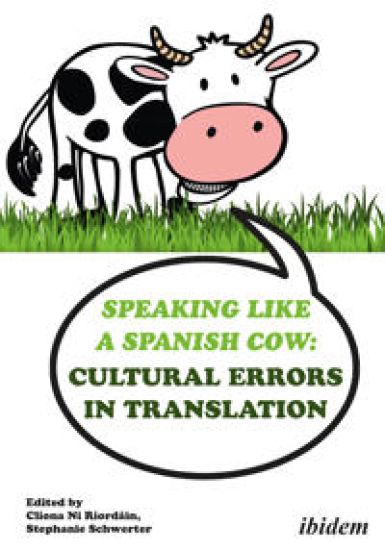
What is a cultural error? What causes it? What are the consequences of such an error? This volume enables the reader to identify cultural errors and to understand how they are produced. Sometimes they come about because of the gap between the source culture and the target culture, on other occasions they are the result of the cultural inadequacies of the translator, or perhaps the ambiguity arises because of errors in the reception of the translated text. The meta-translational problem of the cultural error is explored in great detail in this book. The authors address the fundamental theoretical issues that underpin the term. The essays examine a variety of topics ranging from the deliberate political manipulation of cultural sources in Russia to the colonial translations at the heart of Edward FitzGeralds famous translation The Rubáiyát of Omar Khayyám. Adopting a resolutely transdisciplinary approach, the seventeen contributors to this volume come from a variety of academic backgrounds in music, art, literature, and linguistics. They provide an innovative reading of a key term in translation studies today.
Eco-Translation

Eco-Translation

Michael Cronin

Routledge
2016
sidottu
Ecology has become a central question governing the survival and sustainability of human societies, cultures and languages. In this timely study, Michael Cronin investigates how the perspective of the Anthropocene, or the effect of humans on the global environment, has profound implications for the way translation is considered in the past, present and future. Starting with a deep history of translation and ranging from food ecology to inter-species translation and green translation technology, this thought-provoking book offers a challenging and ultimately hopeful perspective on how translation can play a vital role in the future survival of the planet.
Eco-Translation

Eco-Translation

Michael Cronin

Routledge
2016
nidottu
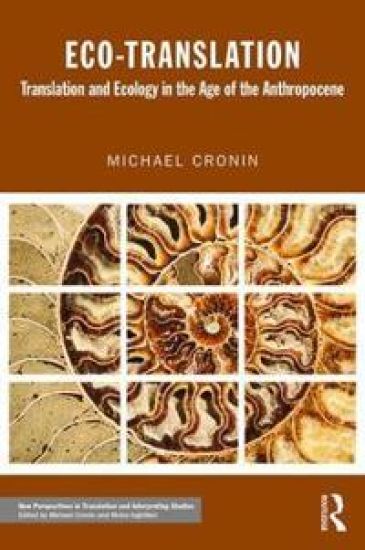
Ecology has become a central question governing the survival and sustainability of human societies, cultures and languages. In this timely study, Michael Cronin investigates how the perspective of the Anthropocene, or the effect of humans on the global environment, has profound implications for the way translation is considered in the past, present and future. Starting with a deep history of translation and ranging from food ecology to inter-species translation and green translation technology, this thought-provoking book offers a challenging and ultimately hopeful perspective on how translation can play a vital role in the future survival of the planet.
Irish Drama in Poland

Irish Drama in Poland

Barry Keane; Michael Cronin

Intellect Books
2016
sidottu
Irish Drama in Poland is the first book to broadly assess Irish drama’s impact on both Poland’s theatrical world and its cultural and literary heritage in the twentieth century. With a wide-ranging analysis – from Yeats, Synge, O’Casey and Behan, to Wilde, Shaw and Beckett – this engaging study explores the translation, production and reception of Irish plays in Poland. Barry Keane presents readers with the historical and literary context for each production, allowing readers to understand the many ways Irish theatre has informed Poland’s theatrical and literary heritage. Including a foreword by translation scholar Michael Cronin, Irish Drama in Poland drives home the importance of exploring intercultural contexts, allowing readers a more informed understanding of European culture and identity.
Translation in the Digital Age

Translation in the Digital Age

Michael Cronin

Routledge
2012
sidottu
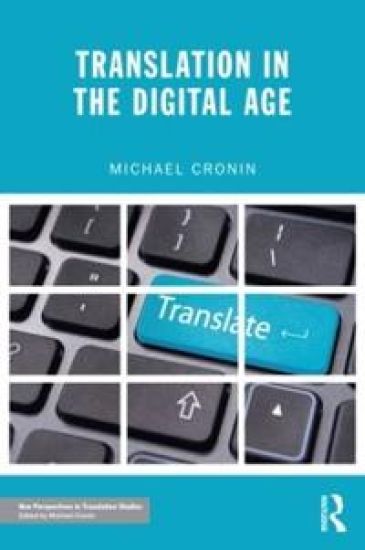
Translation is living through a period of revolutionary upheaval. The effects of digital technology and the internet on translation are continuous, widespread and profound. From automatic online translation services to the rise of crowdsourced translation and the proliferation of translation Apps for smartphones, the translation revolution is everywhere. The implications for human languages, cultures and society of this revolution are radical and far-reaching. In the Information Age that is the Translation Age, new ways of talking and thinking about translation which take full account of the dramatic changes in the digital sphere are urgently required. Michael Cronin examines the role of translation with regard to the debates around emerging digital technologies and analyses their social, cultural and political consequences, guiding readers through the beginnings of translation's engagement with technology, and through to the key issues that exist today. With links to many areas of study, Translation in the Digital Age is a vital read for students of modern languages, translation studies, cultural studies and applied linguistics.
Translation in the Digital Age

Translation in the Digital Age

Michael Cronin

Routledge
2012
nidottu
Translation is living through a period of revolutionary upheaval. The effects of digital technology and the internet on translation are continuous, widespread and profound. From automatic online translation services to the rise of crowdsourced translation and the proliferation of translation Apps for smartphones, the translation revolution is everywhere. The implications for human languages, cultures and society of this revolution are radical and far-reaching. In the Information Age that is the Translation Age, new ways of talking and thinking about translation which take full account of the dramatic changes in the digital sphere are urgently required. Michael Cronin examines the role of translation with regard to the debates around emerging digital technologies and analyses their social, cultural and political consequences, guiding readers through the beginnings of translation's engagement with technology, and through to the key issues that exist today. With links to many areas of study, Translation in the Digital Age is a vital read for students of modern languages, translation studies, cultural studies and applied linguistics.
Expanding World, The – Towards a Politics of Microspection
Are we really living in a shrinking world? Is it true that diversity is on the decline everywhere? Are we condemned to live on a planet without difference or hope? The Expanding World challenges the basic notion of a shrinking world in current debates around globalization and argues that it informs ways of thinking and doing which are deeply damaging to the emergence of a progressive politics. The work proposes instead a new kind of politics based on a notion of an expanding rather than a shrinking world. This implies a different way of looking at the world and a different way of doing politics. The Expanding World is fundamentally about looking more closely at what is around us and acting on that knowledge. It is about considering what it means to have whole worlds reflected in the looking glass of local inquiry. Cronin challenges the prevailing culture of disenchantment by highlighting the inexhaustible variety and richness of the planet and how that variety and richness can become the basis of new forms of emancipatory politics.
Translation goes to the Movies

Translation goes to the Movies

Michael Cronin

Routledge
2008
sidottu
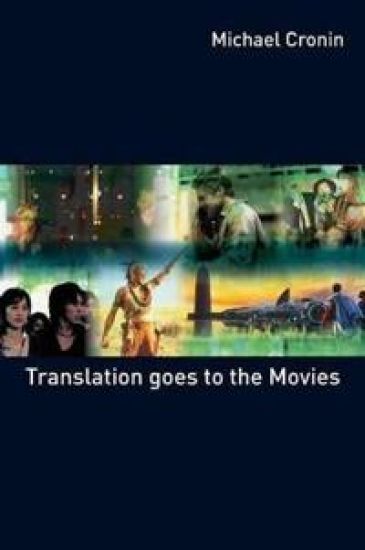
This highly accessible introduction to translation theory, written by a leading author in the field, uses the genre of film to bring the main themes in translation to life. Through analyzing films as diverse as the Marx Brothers’ A Night at the Opera, The Star Wars Trilogies and Lost in Translation, the reader is encouraged to think about both issues and problems of translation as they are played out on the screen and issues of filmic representation through examining the translation dimension of specific films. In highlighting how translation has featured in both mainstream commercial and arthouse films over the years, Cronin shows how translation has been a concern of filmmakers dealing with questions of culture, identity, conflict and representation. This book is a lively and accessible text for translation theory courses and offers a new and largely unexplored approach to topics of identity and representation on screen. Translation Goes to the Movies will be of interest to those on translation studies and film studies courses.
Translation goes to the Movies

Translation goes to the Movies

Michael Cronin

Routledge
2008
nidottu
This highly accessible introduction to translation theory, written by a leading author in the field, uses the genre of film to bring the main themes in translation to life. Through analyzing films as diverse as the Marx Brothers’ A Night at the Opera, The Star Wars Trilogies and Lost in Translation, the reader is encouraged to think about both issues and problems of translation as they are played out on the screen and issues of filmic representation through examining the translation dimension of specific films. In highlighting how translation has featured in both mainstream commercial and arthouse films over the years, Cronin shows how translation has been a concern of filmmakers dealing with questions of culture, identity, conflict and representation. This book is a lively and accessible text for translation theory courses and offers a new and largely unexplored approach to topics of identity and representation on screen. Translation Goes to the Movies will be of interest to those on translation studies and film studies courses.
The Barrytown Trilogy

The Barrytown Trilogy

Michael Cronin

Cork University Press
2007
nidottu
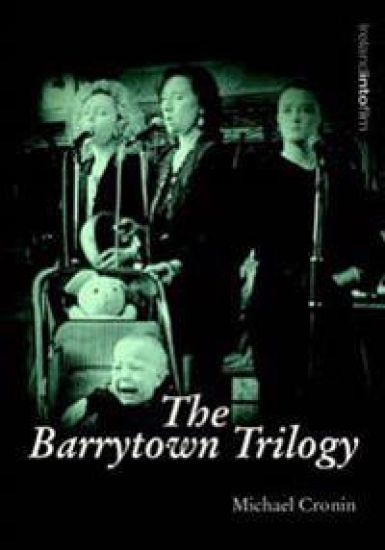
The publication of "The Commitments", "The Snapper" and "The Van" signalled the emergence of a significant new voice in Irish fiction. This book traces the genesis and impact of the change in Ireland's fortunes on the work of Doyle, Parker and Frears and shows how the increasing de-differentiation of boundaries between economy and culture meant that a body of literary and cinematographic work like the Trilogy was as much a contributory factor to the contemporary transformation of Ireland as a reflection of it.
Translation and Identity

Translation and Identity

Michael Cronin

Routledge
2006
nidottu
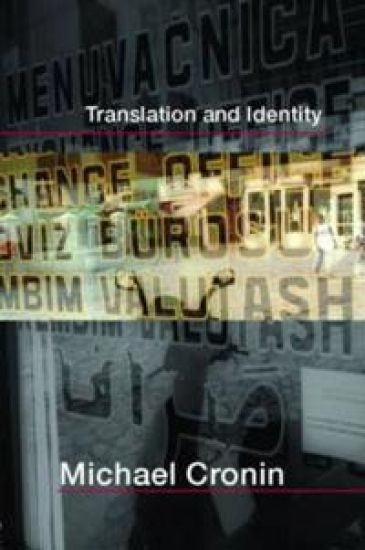
Michael Cronin looks at how translation has played a crucial role in shaping debates about identity, language and cultural survival in the past and in the present. He explores how everything from the impact of migration on the curricula for national literature courses, to the way in which nations wage war in the modern era is bound up with urgent questions of translation and identity. Examining translation practices and experiences across continents to show how translation is an integral part of how cultures are evolving, the volume presents new perspectives on how translation can be a powerful tool in enhancing difference and promoting intercultural dialogue. Drawing on a wide range of materials from official government reports to Shakespearean drama and Hollywood films, Cronin demonstrates how translation is central to any proper understanding of how cultural identity has emerged in human history, and suggests an innovative and positive vision of how translation can be used to deal with one of the most salient issues in an increasingly borderless world.
Translation and Identity

Translation and Identity

Michael Cronin

Routledge
2006
sidottu
Michael Cronin looks at how translation has played a crucial role in shaping debates about identity, language and cultural survival in the past and in the present. He explores how everything from the impact of migration on the curricula for national literature courses, to the way in which nations wage war in the modern era is bound up with urgent questions of translation and identity. Examining translation practices and experiences across continents to show how translation is an integral part of how cultures are evolving, the volume presents new perspectives on how translation can be a powerful tool in enhancing difference and promoting intercultural dialogue. Drawing on a wide range of materials from official government reports to Shakespearean drama and Hollywood films, Cronin demonstrates how translation is central to any proper understanding of how cultural identity has emerged in human history, and suggests an innovative and positive vision of how translation can be used to deal with one of the most salient issues in an increasingly borderless world.
Translation and Globalization

Translation and Globalization

Michael Cronin

Routledge
2003
sidottu
Translation and Globalization is essential reading for anyone with an interest in translation, or a concern for the future of our world's languages and cultures. This is a critical exploration of the ways in which radical changes to the world economy have affected contemporary translation. The Internet, new technology, machine translation and the emergence of a worldwide, multi-million dollar translation industry have dramatically altered the complex relationship between translators, language and power. In this book, Michael Cronin looks at the changing geography of translation practice and offers new ways of understanding the role of the translator in globalized societies and economies. Drawing on examples and case-studies from Europe, Africa, Asia, and the Americas, the author argues that translation is central to debates about language and cultural identity, and shows why consideration of the role of translation and translators is a necessary part of safeguarding and promoting linguistic and cultural diversity.
Translation and Globalization

Translation and Globalization

Michael Cronin

Routledge
2003
nidottu
Translation and Globalization is essential reading for anyone with an interest in translation, or a concern for the future of our world's languages and cultures. This is a critical exploration of the ways in which radical changes to the world economy have affected contemporary translation. The Internet, new technology, machine translation and the emergence of a worldwide, multi-million dollar translation industry have dramatically altered the complex relationship between translators, language and power. In this book, Michael Cronin looks at the changing geography of translation practice and offers new ways of understanding the role of the translator in globalized societies and economies. Drawing on examples and case-studies from Europe, Africa, Asia, and the Americas, the author argues that translation is central to debates about language and cultural identity, and shows why consideration of the role of translation and translators is a necessary part of safeguarding and promoting linguistic and cultural diversity.