Kirjojen hintavertailu – 12 859 828 kirjaa ja 27 kauppaa
Kirjailija
Michael E. Mann
Kirjat ja teokset yhdessä paikassa: 10 kirjaa, julkaisuja vuosilta 2021–2025, suosituimpiin kuuluu Our Fragile Moment. Vertaile teosten hintoja ja tarkista saatavuus suomalaisista kirjakaupoista.
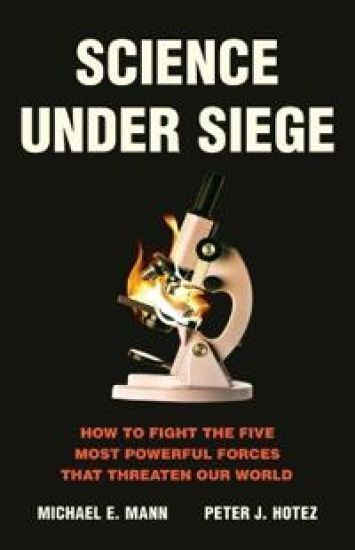
Two of the world's most respected scientists reveal the forces behind the dangerous anti-science movement--and show us how to fight back From pandemics to the climate crisis, humanity faces tougher challenges than ever. Whether it's the health of our people or the health of our planet, we know we are on an unsustainable path. But our efforts to effectively tackle these existential crises are now hampered by a common threat: politically and ideologically motivated opposition to science. Michael E. Mann and Peter J. Hotez are two of the most respected and well-known scientists in the world and have spent the last twenty years on the front lines of the battle to convey accurate, reliable, and trustworthy information about science in the face of determined and nihilistic opposition. In this powerful manifesto, they reveal the five main forces threatening science: plutocrats, pros, petrostates, phonies, and the press. It is a call to arms and a road map for dismantling the forces of anti-science. Armed with the information in this book, we can be empowered to promote scientific truths, shine light on channels of dark money, dismantle the corporations poisoning the planet, and ultimately avert disaster.
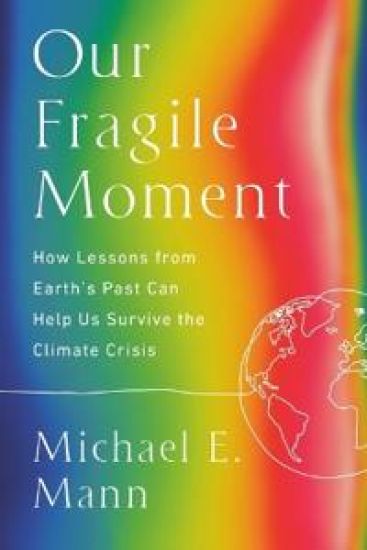
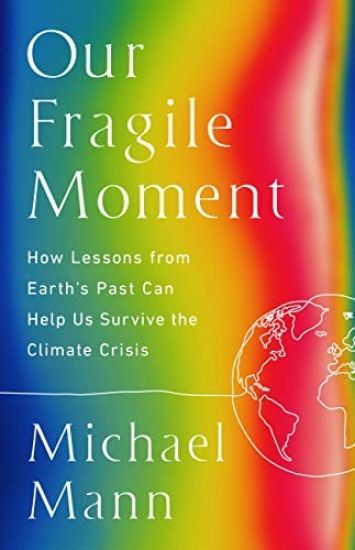
In this sweeping work of science and history, the renowned climate scientist and author of The New Climate War shows us the conditions on Earth that allowed humans not only to exist but thrive, and how they are imperiled if we veer off course. For the vast majority of its 4.54 billion years, Earth has proven it can manage just fine without human beings. Then came the first proto-humans, who emerged just a little more than 2 million years ago--a fleeting moment in geological time. What is it that made this benevolent moment of ours possible? Ironically, it's the very same thing that now threatens us--climate change. The drying of the tropics during the Pleistocene period created a niche for early hominids, who could hunt prey as forests gave way to savannahs in the African tropics. The sudden cooling episode known as the "Younger Dryas" 13,000 years ago, which occurred just as Earth was thawing out of the last Ice Age, spurred the development of agriculture in the fertile crescent. The "Little Ice Age" cooling of the 16th-19th centuries led to famines and pestilence for much of Europe, yet it was a boon for the Dutch, who were able to take advantage of stronger winds to shorten their ocean voyages. The conditions that allowed humans to live on this earth are fragile, incredibly so. Climate variability has at times created new niches that humans or their ancestors could potentially exploit, and challenges that at times have spurred innovation. But there's a relatively narrow envelope of climate variability within which human civilization remains viable. And our survival depends on conditions remaining within that range. In this book, renowned climate scientist Michael Mann will arm readers with the knowledge necessary to appreciate the gravity of the unfolding climate crisis, while emboldening them--and others--to act before it truly does become too late.
Shortlisted for the FT/McKinsey Business Book of the Year award A renowned climate scientist shows how fossil fuel companies have waged a thirty-year campaign to deflect blame and responsibility and delay action on climate change, and offers a battle plan for how we can save the planet. Recycle. Fly less. Eat less meat. These are some of the ways that we've been told can slow climate change. But the inordinate emphasis on individual behavior is the result of a marketing campaign that has succeeded in placing the responsibility for fixing climate change squarely on the shoulders of individuals. Fossil fuel companies have followed the example of other industries deflecting blame (think "guns don't kill people, people kill people") or greenwashing (think of the beverage industry's "Crying Indian" commercials of the 1970s). Meanwhile, they've blocked efforts to regulate or price carbon emissions, run PR campaigns aimed at discrediting viable alternatives, and have abdicated their responsibility in fixing the problem they've created. The result has been disastrous for our planet. In The New Climate War, Mann argues that all is not lost. He draws the battle lines between the people and the polluters-fossil fuel companies, right-wing plutocrats, and petrostates. And he outlines a plan for forcing our governments and corporations to wake up and make real change, including: A common-sense, attainable approach to carbon pricing- and a revision of the well-intentioned but flawed currently proposed version of the Green New Deal;Allowing renewable energy to compete fairly against fossil fuelsDebunking the false narratives and arguments that have worked their way into the climate debate and driven a wedge between even those who support climate change solutionsCombatting climate doomism and despair-mongering With immensely powerful vested interests aligned in defense of the fossil fuel status quo, the societal tipping point won't happen without the active participation of citizens everywhere aiding in the collective push forward. This book will reach, inform, and enable citizens everywhere to join this battle for our planet.
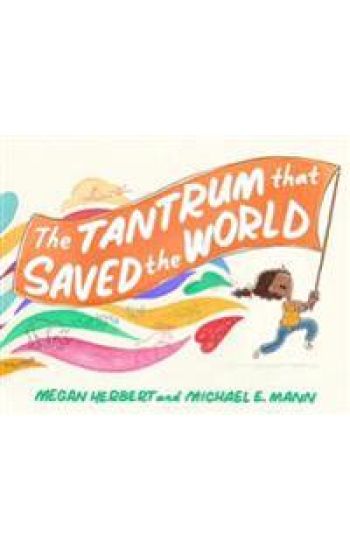
Tantrums are bad--except when they save the world. An environmental picture book about finding your voice, taking collective action, and saving the planet--for kids ages 5 - 9. Sophia's minding her own business when--bing bong --the doorbell announces an unexpected guest: a polar bear. Despite Sophia's protests, he walks right in, making himself at home. His ice cap is melting--where else is he supposed to go? Soon, more visitors arrive: a dispirited sea turtle and farmers whose lands have gone dry are joined by confused bees, more climate refugees, and a grumpy Bengal tiger. Sophia is frustrated and confused. She doesn't understand why they showed up at her house...or what any of this has to do with her. But as Sophia hears their stories, she learns that this is her fight, too...and discovers the power of collective action, the strength of her own voice, and how all of us are stronger together. They head to City Hall only to wait around for hours before being dismissed, and Sophia just can't hold it in anymore: Sophia's strong feelings smouldered once more, And this time they'd gotten too big to ignore. Raging with purpose, with banners unfurled, She kicked off a tantrum to save the whole world And she does--and so can you. An inspirational, beautifully illustrated picture book for kids aged 5 to 9, The Tantrum that Saved the World is part environmental story, part ode to community action, and part blueprint for building a better world--together, for all of us.
Shortlisted for the FT/McKinsey Business Book of the Year award A renowned climate scientist shows how fossil fuel companies have waged a thirty-year campaign to deflect blame and responsibility and delay action on climate change, and offers a battle plan for how we can save the planet. Recycle. Fly less. Eat less meat. These are some of the ways that we've been told can slow climate change. But the inordinate emphasis on individual behavior is the result of a marketing campaign that has succeeded in placing the responsibility for fixing climate change squarely on the shoulders of individuals. Fossil fuel companies have followed the example of other industries deflecting blame (think "guns don't kill people, people kill people") or greenwashing (think of the beverage industry's "Crying Indian" commercials of the 1970s). Meanwhile, they've blocked efforts to regulate or price carbon emissions, run PR campaigns aimed at discrediting viable alternatives, and have abdicated their responsibility in fixing the problem they've created. The result has been disastrous for our planet. In The New Climate War, Mann argues that all is not lost. He draws the battle lines between the people and the polluters-fossil fuel companies, right-wing plutocrats, and petrostates. And he outlines a plan for forcing our governments and corporations to wake up and make real change, including: A common-sense, attainable approach to carbon pricing- and a revision of the well-intentioned but flawed currently proposed version of the Green New Deal;Allowing renewable energy to compete fairly against fossil fuelsDebunking the false narratives and arguments that have worked their way into the climate debate and driven a wedge between even those who support climate change solutionsCombatting climate doomism and despair-mongering With immensely powerful vested interests aligned in defense of the fossil fuel status quo, the societal tipping point won't happen without the active participation of citizens everywhere aiding in the collective push forward. This book will reach, inform, and enable citizens everywhere to join this battle for our planet.
Shortlisted for the FT/McKinsey Business Book of the Year awardA renowned climate scientist shows how fossil fuel companies have waged a thirty-year campaign to deflect blame and responsibility and delay action on climate change, and offers a battle plan for how we can save the planet. Recycle. Fly less. Eat less meat. These are some of the ways that we've been told can slow climate change. But the inordinate emphasis on individual behavior is the result of a marketing campaign that has succeeded in placing the responsibility for fixing climate change squarely on the shoulders of individuals. Fossil fuel companies have followed the example of other industries deflecting blame (think "guns don't kill people, people kill people") or greenwashing (think of the beverage industry's "Crying Indian" commercials of the 1970s). Meanwhile, they've blocked efforts to regulate or price carbon emissions, run PR campaigns aimed at discrediting viable alternatives, and have abdicated their responsibility in fixing the problem they've created. The result has been disastrous for our planet. In The New Climate War, Mann argues that all is not lost. He draws the battle lines between the people and the polluters-fossil fuel companies, right-wing plutocrats, and petrostates. And he outlines a plan for forcing our governments and corporations to wake up and make real change, including: A common-sense, attainable approach to carbon pricing- and a revision of the well-intentioned but flawed currently proposed version of the Green New Deal;Allowing renewable energy to compete fairly against fossil fuelsDebunking the false narratives and arguments that have worked their way into the climate debate and driven a wedge between even those who support climate change solutionsCombatting climate doomism and despair-mongering With immensely powerful vested interests aligned in defense of the fossil fuel status quo, the societal tipping point won't happen without the active participation of citizens everywhere aiding in the collective push forward. This book will reach, inform, and enable citizens everywhere to join this battle for our planet.
Shortlisted for the FT/McKinsey Business Book of the Year award A renowned climate scientist shows how fossil fuel companies have waged a thirty-year campaign to deflect blame and responsibility and delay action on climate change, and offers a battle plan for how we can save the planet. Recycle. Fly less. Eat less meat. These are some of the ways that we've been told can slow climate change. But the inordinate emphasis on individual behavior is the result of a marketing campaign that has succeeded in placing the responsibility for fixing climate change squarely on the shoulders of individuals. Fossil fuel companies have followed the example of other industries deflecting blame (think "guns don't kill people, people kill people") or greenwashing (think of the beverage industry's "Crying Indian" commercials of the 1970s). Meanwhile, they've blocked efforts to regulate or price carbon emissions, run PR campaigns aimed at discrediting viable alternatives, and have abdicated their responsibility in fixing the problem they've created. The result has been disastrous for our planet. In The New Climate War, Mann argues that all is not lost. He draws the battle lines between the people and the polluters-fossil fuel companies, right-wing plutocrats, and petrostates. And he outlines a plan for forcing our governments and corporations to wake up and make real change, including: A common-sense, attainable approach to carbon pricing- and a revision of the well-intentioned but flawed currently proposed version of the Green New Deal;Allowing renewable energy to compete fairly against fossil fuelsDebunking the false narratives and arguments that have worked their way into the climate debate and driven a wedge between even those who support climate change solutionsCombatting climate doomism and despair-mongering With immensely powerful vested interests aligned in defense of the fossil fuel status quo, the societal tipping point won't happen without the active participation of citizens everywhere aiding in the collective push forward. This book will reach, inform, and enable citizens everywhere to join this battle for our planet.