Kirjojen hintavertailu – 12 903 725 kirjaa ja 27 kauppaa
Kirjailija
Michael Fellman
Kirjat ja teokset yhdessä paikassa: 9 kirjaa, julkaisuja vuosilta 1973–2014, suosituimpiin kuuluu This Terrible War. Vertaile teosten hintoja ja tarkista saatavuus suomalaisista kirjakaupoista.
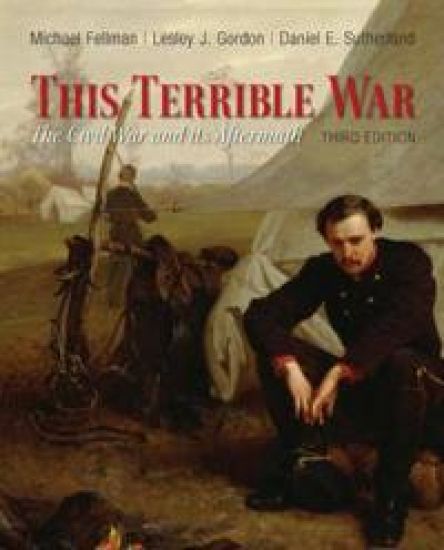
Integrates the political, social, military, and economic forces of the Civil War Absorbing and accessible, This Terrible War : The Civil War and Its Aftermath deals with the American Civil War in a realistic and unromantic light, discussing the hard experiences of ordinary people and the uncertain decisions of military and political leaders. The title explores both the years leading up to the Civil War, and the war's aftermath in the North and the South. The discussion extends to 1896, reframing the period of the Civil War. NOTE: This is the standalone book.
Throughout his long and influential career, Michael Fellman has explored the tragic side of American history. Best known for his path-breaking work on the American Civil War and for an interdisciplinary methodology that utilises social psychology, cultural anthropology, and comparative history, he has delved into issues of domination, exploitation, political violence, racism, terrorism, and the experiences of war. Incorporating essays written over the past thirty years -- two of them previously unpublished, and the others not widely available -- Views from the Dark Side of American History reveals some of the major personal and scholarly concerns of his career and illuminates his approach to history, research, applied theory, and analysis. Each essay includes a thought-provoking preface and afterword that situate it in its time and explore its intellectual and political contexts. Fellman also grapples with the personal elements of developing as a historian -- the people with whom he argued or agreed with, the settings in which he gave or published the papers, and the subjective as well as historical issues that he addressed. The collection encourages history students, historians, and general readers of history to think through the layers of their historical engagement and to connect their personal experiences and social commitments to their explorations.
In 1861, Francis Moore appeared to be a perfectly ordinary, twenty-three year old man: a carriage maker in the bustling Mississippi River town of Quincy, Illinois. And there he might well have lived out his life in unadventurous comfort. But then the Civil War burst out, and Moore, along with most of his friends, like young men North and South, rushed to enlist in the army. His cavalry regiment soon set off for what proved to be four years of warfare, plunging him into harrowing experiences of battle that would have been unimaginable back in his small hometown and that uprooted him, body and soul, for the remainder of his life. Enter The Story of My Campaign, the remarkable Civil War memoir of Captain Francis T. Moore, which historian Thomas Bahde here offers in an original edition to contemporary readers for the first time. Moore began the war as a private in Company L of the Second Illinois Volunteer Cavalry, and was soon promoted to lieutenant and then captain of his company. He spent most of the war fighting guerillas in Missouri, Kentucky, Tennessee, Mississippi, and Louisiana. He fought at the battle of Belmont, Kentucky, in 1861 and raided Mississippi with General Benjamin Grierson in 1864. He also battled Confederate leaders, such as Nathan Bedford Forrest and Leonidas Polk. His unflinching chronicle of small-scale and irregular warfare, combined with his intimate account of military life, make his memoir as absorbing as it is historically valuable. Moore was also an unusually articulate young man with strong opinions about the war, the preservation of the Union, the institution of slavery, African Americans, the people of the South, and the Confederacy: his wartime observations and his postwar reflections on these themes provide not only a captivating narrative, they also provide readers with an opportunity to examine how the conflict endured in the memory of its veterans and the nation they served. The enormous social upheaval and staggering loss of human life during the Civil War cannot be overstated: the estimated 2 percent of Americans—or 620,000 people—who died in the conflict would be the equivalent of 6,000,000 people today. The Story of My Campaign offers an indelible account of this conflagration from the perspective of one of its survivors. It is evidence of a hard war fought—and the long hard life that followed.
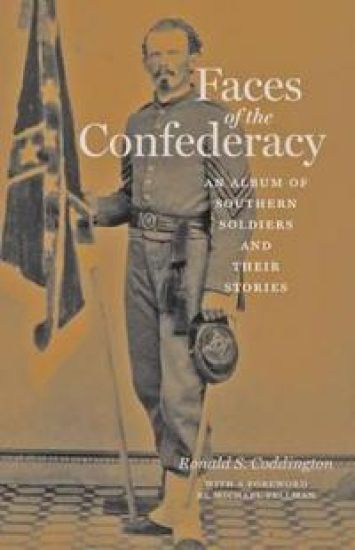
"The history of the Civil War is the stories of its soldiers," writes Ronald S. Coddington in the preface to Faces of the Confederacy. This book tells the stories of seventy-seven Southern soldiers-young farm boys, wealthy plantation owners, intellectual elites, uneducated poor-who posed for photographic portraits, cartes de visite, to leave with family, friends, and sweethearts before going off to war. Coddington, a passionate collector of Civil War-era photography, conducted a monumental search for these previously unpublished portrait cards, then unearthed the personal stories of their subjects, putting a human face on a war rife with inhuman atrocities. The Civil War took the lives of 22 of every 100 men who served. Coddington follows the exhausted survivors as they return home to occupied cities and towns, ravaged farmlands, a destabilized economy, and a social order in the midst of upheaval. This book is a haunting and moving tribute to those brave men. Like its companion volume, Faces of the Civil War: An Album of Union Soldiers and Their Stories, this book offers readers a unique perspective on the war and contributes to a better understanding of the role of the common soldier.
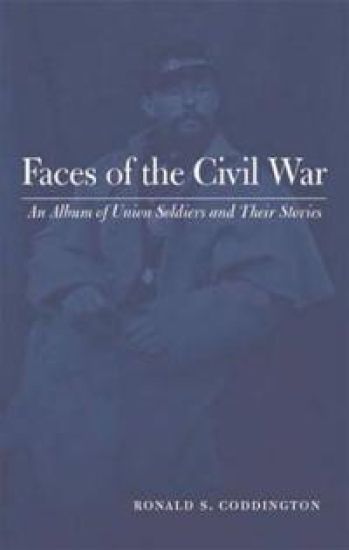
A unique perspective on the Civil War period presents seventy-seven cartes de visite photographs of Union soldiers and tells the stories of their lives during and after the war.
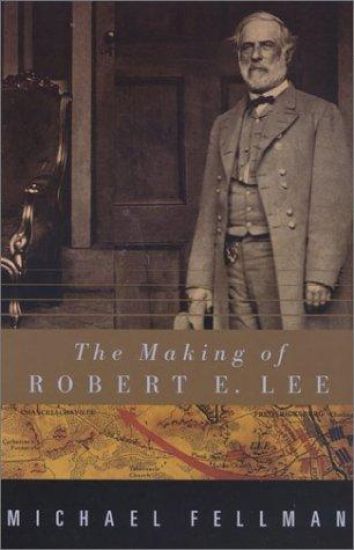
With rigorous research and unprecedented insight into Robert E. Lee's personal and public lives, Michael Fellman here uncovers the intelligent, ambitious, and often troubled man behind the legend, exploring his life within the social, cultural, and political context of the nineteenth-century American South.
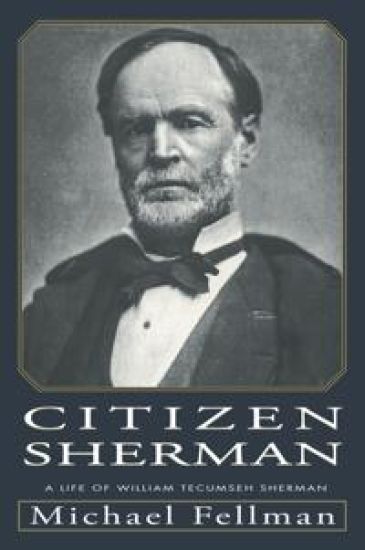
It was Willaim Tecumseh Sherman who both articulated and practiced the relentless scorched-earth policy that broke the heart of the Confederacy. This work illuminates the emotional as well as the intellectual, ideological and occupational lives of this Victorian American.
During the Civil War, the state of Missouri witnessed the most widespread, prolonged, and destructive guerrilla fighting in American history. With its horrific combination of robbery, arson, torture, murder, and swift and bloody raids on farms and settlements, the conflict approached total war, engulfing the whole populace and challenging any notion of civility. Michael Fellman's Inside War captures the conflict from "inside," drawing on a wealth of first-hand evidence, including letters, diaries, military reports, court-martial transcripts, depositions, and newspaper accounts. He gives us a clear picture of the ideological, social, and economic forces that divided the people and launched the conflict. Along with depicting how both Confederate and Union officials used the guerrilla fighters and their tactics to their own advantage, Fellman describes how ordinary civilian men and women struggled to survive amidst the random terror perpetuated by both sides; what drove the combatants themselves to commit atrocities and vicious acts of vengeance; and how the legend of Jesse James arose from this brutal episode in the American Civil War.