
Kirjojen hintavertailu – 12 859 828 kirjaa ja 27 kauppaa

Kirjailija

Michael Gbolagade Oladokun

Kirjat ja teokset yhdessä paikassa: 2 kirjaa, julkaisuja vuosilta 2018–2019, suosituimpiin kuuluu Simulation-Based Analysis of Energy and Carbon Emissions in the Housing Sector. Vertaile teosten hintoja ja tarkista saatavuus suomalaisista kirjakaupoista.

2 kirjaa

Kirjojen julkaisuvuodet: 2018–2019.

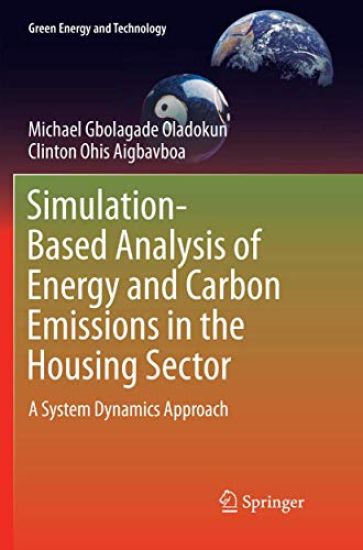
Simulation-Based Analysis of Energy and Carbon Emissions in the Housing Sector

Simulation-Based Analysis of Energy and Carbon Emissions in the Housing Sector

Michael Gbolagade Oladokun; Clinton Ohis Aigbavboa

Springer Nature Switzerland AG
2019
nidottu
This book describes the development of a system dynamics-based model that can capture the future trajectories of housing energy and carbon emissions. It approaches energy and carbon emissions in the housing sector as a complex socio-technical problem involving the analysis of intrinsic interrelationships among dwellings, occupants and the environment. Based on an examination of the UK housing sector but with relevance worldwide, the book demonstrates how the systems dynamics simulation can be used as a learning laboratory regarding future trends in housing energy and carbon emissions. The authors employ a pragmatic research strategy, involving the collection of both qualitative and quantitative data to develop a model. The book enriches readers’ understanding of the complexity involved in housing energy and carbon emissions from a systems-thinking perspective. As such, it will be of interest to researchers in the fields of architectural engineering, housing studies and climate change, while also appealing to industry practitioners and policymakers specializing in housing energy.
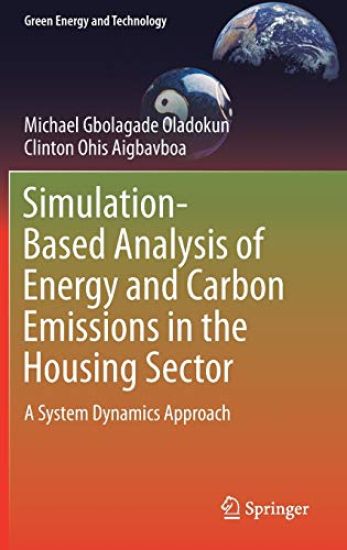
Simulation-Based Analysis of Energy and Carbon Emissions in the Housing Sector

Simulation-Based Analysis of Energy and Carbon Emissions in the Housing Sector

Michael Gbolagade Oladokun; Clinton Ohis Aigbavboa

Springer International Publishing AG
2018
sidottu
This book describes the development of a system dynamics-based model that can capture the future trajectories of housing energy and carbon emissions. It approaches energy and carbon emissions in the housing sector as a complex socio-technical problem involving the analysis of intrinsic interrelationships among dwellings, occupants and the environment. Based on an examination of the UK housing sector but with relevance worldwide, the book demonstrates how the systems dynamics simulation can be used as a learning laboratory regarding future trends in housing energy and carbon emissions. The authors employ a pragmatic research strategy, involving the collection of both qualitative and quantitative data to develop a model. The book enriches readers’ understanding of the complexity involved in housing energy and carbon emissions from a systems-thinking perspective. As such, it will be of interest to researchers in the fields of architectural engineering, housing studies and climate change, while also appealing to industry practitioners and policymakers specializing in housing energy.