Kirjojen hintavertailu – 12 903 725 kirjaa ja 27 kauppaa

Kirjailija

Michael Ignatieff

Kirjat ja teokset yhdessä paikassa: 26 kirjaa, julkaisuja vuosilta 1986–2023, suosituimpiin kuuluu Liberties Journal of Culture and Politics. Vertaile teosten hintoja ja tarkista saatavuus suomalaisista kirjakaupoista.

26 kirjaa

Kirjojen julkaisuvuodet: 1986–2023.

Human Rights as Politics and Idolatry

Human Rights as Politics and Idolatry

Michael Ignatieff

Princeton University Press
2003
pokkari
Michael Ignatieff draws on his extensive experience as a writer and commentator on world affairs to present a penetrating account of the successes, failures, and prospects of the human rights revolution. Based on the Tanner Lectures that Ignatieff delivered at Princeton University's Center for Human Values in 2000, the book includes two chapters by Ignatieff, an introduction by Amy Gutmann, comments by four leading scholars -- K. Anthony Appiah, David A. Hollinger, Thomas W. Laqueur, and Diane F. Orentlicher -- and a response by Ignatieff.
The Russian Album

The Russian Album

Michael Ignatieff

Picador USA
2001
nidottu
Winner of the Royal Society of Literature Award In The Russian Album, Michael Ignatieff chronicles five generations of his Russian family, beginning in 1815. Drawing on family diaries, on the contemplation of intriguing photographs in an old family album, and on stories passed down from father to son, he comes to terms with the meaning of his family's memories and histories. Focusing on his grandparents, Count Paul Ignatieff and Princess Natasha Mestchersky, he recreates their lives before, during, and after the Russian Revolution.
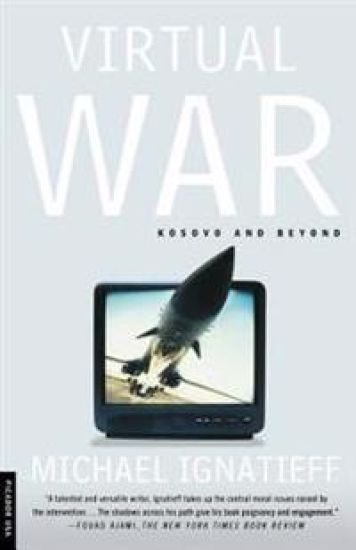
Virtual War: Kosovo and Beyond

Virtual War: Kosovo and Beyond

Michael Ignatieff

Picador USA
2001
nidottu
For a decade, Michael Ignatieff has provided eyewitness accounts and penetrating analyses from the world's battle zones. In Virtual War, he offers an analysis of the conflict in Kosovo and what it means for the future of warfare. He describes the latest phase in modern combat: war fought by remote control. In "real" war, nations are mobilized, soldiers fight and die, victories are won. In virtual war, however, there is often no formal declaration of hostilities, the combatants are strike pilots and computer programmers, the nation enlists as a TV audience, and instead of defeat and victory there is only an uncertain endgame. Kosovo was such a virtual war, a war in which U. S. and NATO forces did the fighting but only Kosovars and Serbs did the dying. Ignatieff examines the conflict through the eyes of key players--politicians, diplomats, and generals--and through the experience of the victims, the refugees and civilians who suffered. As unrest continues in the Balkans, East Timor, and other places around the world, Ignatieff raises the troubling possibility that virtual wars, so much easier to fight, could become the way superpowers impose their will in the century ahead.

Scar Tissue

Scar Tissue

Michael Ignatieff

Farrar, Straus and Giroux
2000
nidottu

Halvin toimitettuna 22,20 €

At the heart of Michael Ignatieff's riveting novel about a woman's descent into Alzheimer's are the tangled threads of a Midwestern family, frayed by time and tragedy yet still connected - as much by pride, embarrassed love, and sibling rivalry as by the painful ties of family loyalty. More than a tale of isolated tragedy, Scar Tissue explores the bonds of memory, their configuartion in self-identity, and their relationship to love, loyalty, and death.
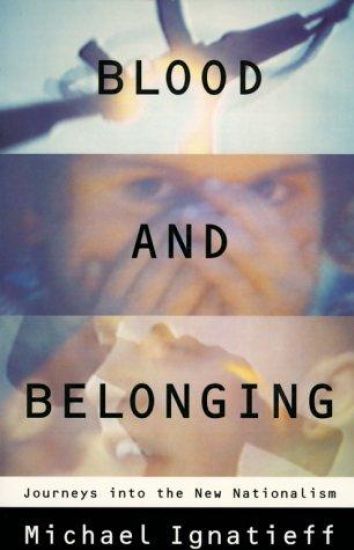
Blood and Belonging: Journeys Into the New Nationalism

Blood and Belonging: Journeys Into the New Nationalism

Michael Ignatieff

Farrar, Straus and Giroux
1995
nidottu
Until the end of the Cold War, the politics of national identity was confined to isolated incidents of ethnics strife and civil war in distant countries. Now, with the collapse of Communist regimes across Europe and the loosening pf the Cold War'd clamp on East-West relations, a surge of nationalism has swept the world stage. In "Blood and Belonging," Ignatieff makes a thorough examination of why blood ties--inplaces as diverse as Yugoslavia, Kurdistan, Northern Ireland, Quebec, Germany, and the former Soviet republics--may be the definitive factor in international relation today. He asks how ethnic pride turned into ethnic cleansing, whether modern citizens can lay the ghosts of a warring past, why--and whether--a people need a state of their own, and why armed struggle might be justified. "Blood and Belonging" is a profound and searching look at one of the most complex issues of our time.