Kirjojen hintavertailu – 12 859 819 kirjaa ja 27 kauppaa

Kirjailija

Michael L. Benson

Kirjat ja teokset yhdessä paikassa: 7 kirjaa, julkaisuja vuosilta 2001–2024, suosituimpiin kuuluu Crime and the Life Course: An Introduction. Vertaile teosten hintoja ja tarkista saatavuus suomalaisista kirjakaupoista.

7 kirjaa

Kirjojen julkaisuvuodet: 2001–2024.

White-Collar Crime

White-Collar Crime

Michael L. Benson; Sally S. Simpson; Melissa Rorie; Jay P. Kennedy

TAYLOR FRANCIS LTD
2024
sidottu
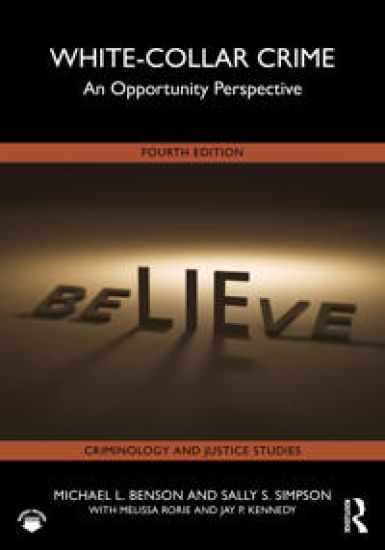
White-Collar Crime: An Opportunity Perspective analyzes white-collar crime using the opportunity perspective, which assumes that all crimes depend on offenders recognizing an opportunity to commit an offense. The authors explicate the processes and situational conditions that facilitate opportunities for white-collar crimes and the likelihood of being victimized by white-collar crime. In addition, they offer potential policy solutions that will mitigate this persistent and widespread social problem while being realistic and balanced in their treatment of the difficulties of control. With this fourth edition, Benson and Simpson have enlisted the aid of two young white-collar crime scholars, Jay P. Kennedy and Melissa Rorie, who bring new areas of expertise to the book that enhance its analytical depth and coverage of both white-collar crime and the opportunity perspective. New up-to-date case studies are included along with examinations of recent investigations into white-collar crime and its control. These timely updates reaffirm that this rigorous yet accessible book will remain a core resource for undergraduate and early graduate courses on white-collar crime.
White-Collar Crime

White-Collar Crime

Michael L. Benson; Sally S. Simpson; Melissa Rorie; Jay P. Kennedy

TAYLOR FRANCIS LTD
2024
nidottu

Halvin toimitettuna 77,90 €

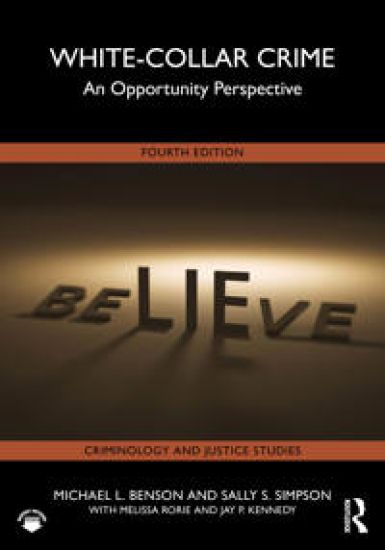
White-Collar Crime: An Opportunity Perspective analyzes white-collar crime using the opportunity perspective, which assumes that all crimes depend on offenders recognizing an opportunity to commit an offense. The authors explicate the processes and situational conditions that facilitate opportunities for white-collar crimes and the likelihood of being victimized by white-collar crime. In addition, they offer potential policy solutions that will mitigate this persistent and widespread social problem while being realistic and balanced in their treatment of the difficulties of control. With this fourth edition, Benson and Simpson have enlisted the aid of two young white-collar crime scholars, Jay P. Kennedy and Melissa Rorie, who bring new areas of expertise to the book that enhance its analytical depth and coverage of both white-collar crime and the opportunity perspective. New up-to-date case studies are included along with examinations of recent investigations into white-collar crime and its control. These timely updates reaffirm that this rigorous yet accessible book will remain a core resource for undergraduate and early graduate courses on white-collar crime.
Corporate Crime Under Attack

Corporate Crime Under Attack

Francis T. Cullen; Gray Cavender; William J. Maakestad; Michael L. Benson

Routledge
2015
sidottu
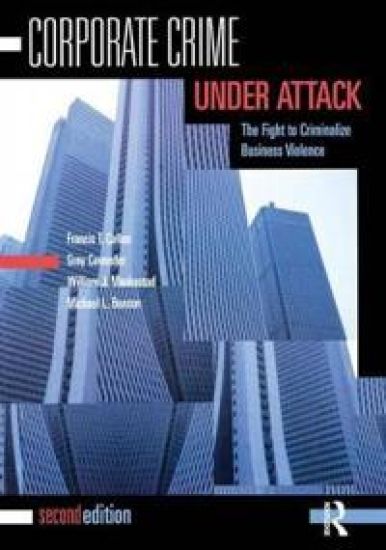
In exploring the criminalization of corporations, this book uses the landmark "Ford Pinto case" as a centerpiece for exploring corporate violence and the long effort to bring such harm within the reach of the criminal law. Corporations that illegally endanger human life now must negotiate the surveillance of government regulators and risk civil suits from injured parties seeking financial compensation. They also may be charged with criminal offenses and their officials sent to prison.
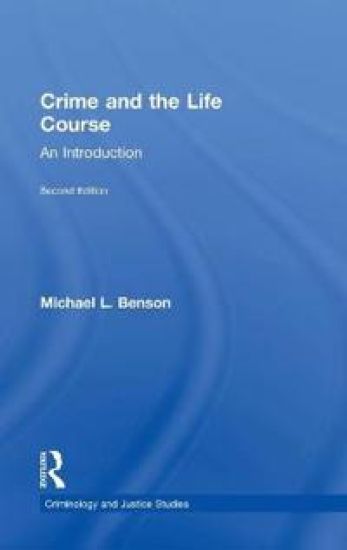
Crime and the Life Course

Crime and the Life Course

Michael L. Benson

Routledge
2012
sidottu
In recent years, the lifecourse perspective has become a popular theoretical orientation toward crime. Yet despite its growing importance in the field of criminology, most textbooks give it only cursory treatment. Crime and the Lifecourse: An Introduction by Michael L. Benson provides a comprehensive overview of contemporary research and theory on the life-course approach to crime. The book emphasizes a conceptual understanding of this approach. A special feature is the integration of qualitative and quantitative research on criminal life histories. This book: provides an overview of the life course approach and describes the major concepts and issues in lifecourse theory as it applies to criminology reviews evidence on biological and genetic influences on crime reviews research on the role of the family in crime and juvenile delinquency provides a detailed discussion of the criminological lifecourse theories of Moffitt, Hagan, Sampson and Laub, and others discusses the connections between youthful crime and adult outcomes in education, occupation, and marriage presents an application of the lifecourse approach to white-collar crime discusses how macro sociological and historical developments have influenced the shape of the lifecourse in American society as it relates to patterns in crime.
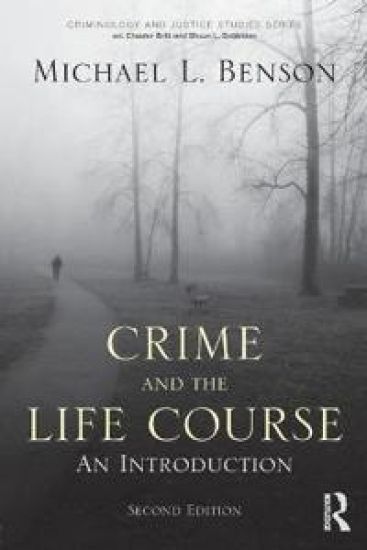
Crime and the Life Course

Crime and the Life Course

Michael L. Benson

Routledge
2012
nidottu
In recent years, the lifecourse perspective has become a popular theoretical orientation toward crime. Yet despite its growing importance in the field of criminology, most textbooks give it only cursory treatment. Crime and the Lifecourse: An Introduction by Michael L. Benson provides a comprehensive overview of contemporary research and theory on the life-course approach to crime. The book emphasizes a conceptual understanding of this approach. A special feature is the integration of qualitative and quantitative research on criminal life histories. This book: provides an overview of the life course approach and describes the major concepts and issues in lifecourse theory as it applies to criminology reviews evidence on biological and genetic influences on crime reviews research on the role of the family in crime and juvenile delinquency provides a detailed discussion of the criminological lifecourse theories of Moffitt, Hagan, Sampson and Laub, and others discusses the connections between youthful crime and adult outcomes in education, occupation, and marriage presents an application of the lifecourse approach to white-collar crime discusses how macro sociological and historical developments have influenced the shape of the lifecourse in American society as it relates to patterns in crime.
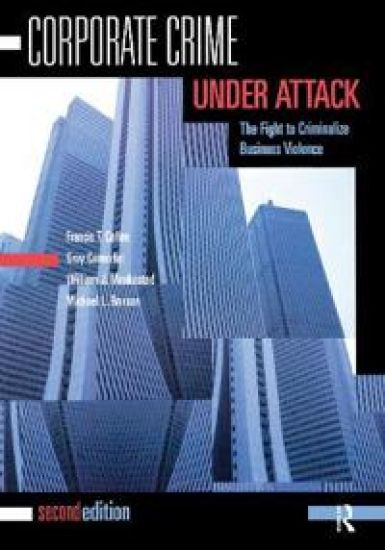
Corporate Crime Under Attack

Corporate Crime Under Attack

Francis T. Cullen; Gray Cavender; William J. Maakestad; Michael L. Benson

Anderson Publishing
2006
nidottu
In exploring the criminalization of corporations, this book uses the landmark "Ford Pinto case" as a centerpiece for exploring corporate violence and the long effort to bring such harm within the reach of the criminal law. Corporations that illegally endanger human life now must negotiate the surveillance of government regulators and risk civil suits from injured parties seeking financial compensation. They also may be charged with criminal offenses and their officials sent to prison.
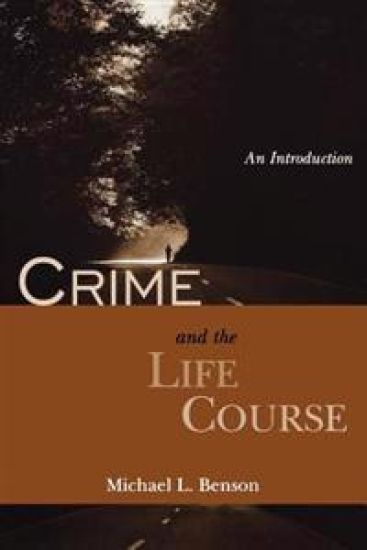
Crime and the Life Course: An Introduction

Crime and the Life Course: An Introduction

Michael L. Benson

Oxford University Press
2001
nidottu
In recent years the life-course perspective has become a popular theoretical orientation toward crime. Yet despite its growing importance in the field of criminology, most textbooks give it only cursory treatment. Crime and the Life Course: An Introduction by Michael L. Benson provides a comprehensive overview of contemporary research and theory on the life-course approach to crime. The book emphasizes a conceptual understanding of this approach. A special feature is the integration of qualitative and quantitative research on criminal life histories. The book: * Provides an overview of the life course approach and describes the major concepts and issues in life-course theory as it applies to criminology. * Reviews evidence on biological and genetic influences on crime. * Reviews research on the role of the family in crime and juvenile delinquency. * Provides a detailed discussion of the criminological life-course theories of Moffitt, Hagan, Sampson and Laub, and others. * Discusses the connections between youthful crime and adult outcomes in education, occupation, and marriage. * Presents an application of the life-course approach to white-collar crime. * Discusses how macro sociological and historical developments have influenced the shape of the life course in American society as it relates to patterns in crime.