Kirjojen hintavertailu – 12 859 819 kirjaa ja 27 kauppaa
Kirjailija
Michael Marsh
Kirjat ja teokset yhdessä paikassa: 7 kirjaa, julkaisuja vuosilta 1999–2019, suosituimpiin kuuluu How Ireland Voted 1997. Vertaile teosten hintoja ja tarkista saatavuus suomalaisista kirjakaupoista.
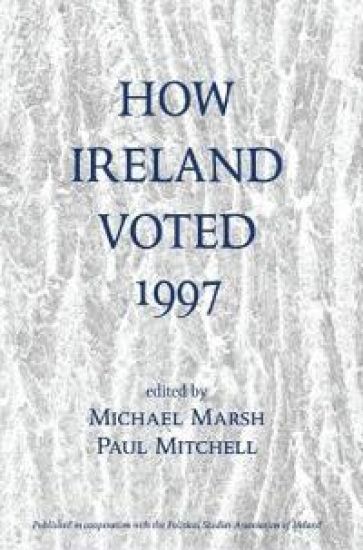
Since the elections of 1987, the Political Studies Association of Ireland has published books on each Irish general election. This latest volume covers the 1997 elections and is the first study to provide an in-depth analysis of both the campaign and the election results. Written in an accessible and nontechnical style, the contributors are internationally acknowledged experts in party politics and elections. The book follows the tradition set in previous volumes in two respects: many of the contributors have written on the same topics in earlier volumes and, where appropriate, this book continues similar themes. However, How Ireland Voted 1997 places greater attention on the election campaign itself and the characteristics of the new Dail.
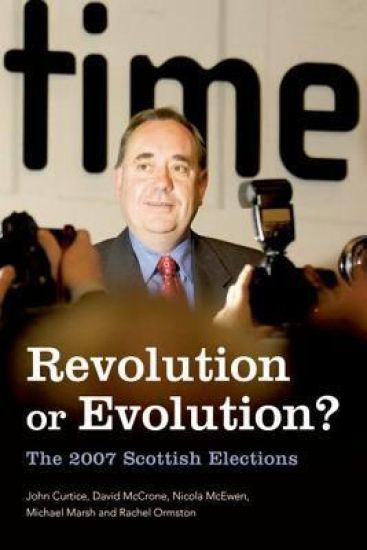
The Scottish parliamentary and local elections of 2007 were significant for two key reasons: the SNP was brought to power for the first time in its history, posing a fundamental challenge to the 300-year Scottish-English Union; and the local elections used the Single Transferable Vote - the first time such an electoral system has been used in Great Britain since 1945. This book explores the significance of these two developments, asking whether they herald a revolutionary break with the past or simply mark a continuing evolution of existing patterns of Scottish politics. It uses a unique source of evidence - representative high quality annual sample surveys of the Scottish public that since 1999 have regularly measured how people in Scotland have reacted to devolution and how they have behaved in elections. Readers will gain an unparalleled insight into the identities, attitudes and electoral behaviour of people in Scotland during the first decade of devolution.
The Scottish parliamentary and local elections of 2007 were significant for two key reasons: the SNP was brought to power for the first time in its history, posing a fundamental challenge to the 300-year Scottish-English Union; and the local elections used the Single Transferable Vote - the first time such an electoral system has been used in Great Britain since 1945. This book explores the significance of these two developments, asking whether they herald a revolutionary break with the past or simply mark a continuing evolution of existing patterns of Scottish politics. It uses a unique source of evidence - representative high quality annual sample surveys of the Scottish public that since 1999 have regularly measured how people in Scotland have reacted to devolution and how they have behaved in elections. Readers will gain an unparalleled insight into the identities, attitudes and electoral behaviour of people in Scotland during the first decade of devolution.
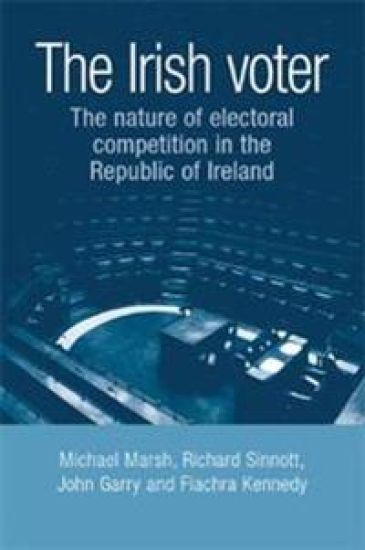
This pioneering analysis uses the results from the first ever Irish election study to provide a comprehensive survey of the motives, outlook and behaviour of voters in the Republic of Ireland. Building on the foundations laid down by previous work on comparative electoral behaviour, it explores long-term influences on vote choice, such as party loyalties and enduring values, as well as short-term ones, such as the economy, the party leaders and the candidates themselves. It also examines how people use their vote and why so many people do not vote at all. Many features of Irish elections make such a detailed study particularly important. The single transferable vote system allows voters an unusual degree of freedom to pick the candidates they prefer, while electoral trends observed elsewhere can be found in a more extreme form in Ireland. For example, attachment to parties is very low, differences between them are often obscure, candidate profiles are very high and turnout is falling rapidly. However, Irish elections defy international trends in other respects, most notably in the degree of personal contact parties and candidates make with their voters. Findings are presented in a manner that is highly accessible to anyone with an interest in elections, electoral systems and electoral behaviour. The book is essential reading for anyone interested in Irish politics and is an important text for students of European Politics, Parties and Elections, Comparative Politics and Political Sociology.
This pioneering analysis uses the results from the first ever Irish election study to provide a comprehensive survey of the motives, outlook and behaviour of voters in the Republic of Ireland. Building on the foundations laid down by previous work on comparative electoral behaviour, it explores long-term influences on vote choice, such as party loyalties and enduring values, as well as short-term ones, such as the economy, the party leaders and the candidates themselves. It also examines how people use their vote and why so many people do not vote at all. Many features of Irish elections make such a detailed study particularly important. The single transferable vote system allows voters an unusual degree of freedom to pick the candidates they prefer, while electoral trends observed elsewhere can be found in a more extreme form in Ireland. For example, attachment to parties is very low, differences between them are often obscure, candidate profiles are very high and turnout is falling rapidly. However, Irish elections defy international trends in other respects, most notably in the degree of personal contact parties and candidates make with their voters. Findings are presented in a manner that is highly accessible to anyone with an interest in elections, electoral systems and electoral behaviour. The book is essential reading for anyone interested in Irish politics and is an important text for students of European Politics, Parties and Elections, Comparative Politics and Political Sociology.
How Ireland Voted 2002 provides an in-depth analysis of the Irish general election. Continuing an established series of election studies, it sets out the context of the campaign, assesses the impact of the political parties' marketing strategies, and presents first-hand candidate campaign diaries. It analyzes voting patterns employing both aggregate data and survey evidence, discusses the post-election negotiations leading to the formation of the new government, and considers the implications for the future of the Irish party system.
Since the elections of 1987, the Political Studies Association of Ireland has published books on each Irish general election. This latest volume covers the 1997 elections and is the first study to provide an in-depth analysis of both the campaign and the election results. Written in an accessible and nontechnical style, the contributors are internationally acknowledged experts in party politics and elections. The book follows the tradition set in previous volumes in two respects: many of the contributors have written on the same topics in earlier volumes and, where appropriate, this book continues similar themes. However, How Ireland Voted 1997 places greater attention on the election campaign itself and the characteristics of the new Dail.