Kirjailija
Michael R. Licona
Kirjat ja teokset yhdessä paikassa: 7 kirjaa, julkaisuja vuosilta 2004–2024, suosituimpiin kuuluu Why Are There Differences in the Gospels?. Vertaile teosten hintoja ja tarkista saatavuus suomalaisista kirjakaupoista.
Nimi esiintyy myös muodoissa: Michael R Licona
7 kirjaa
Kirjojen julkaisuvuodet: 2004–2024.
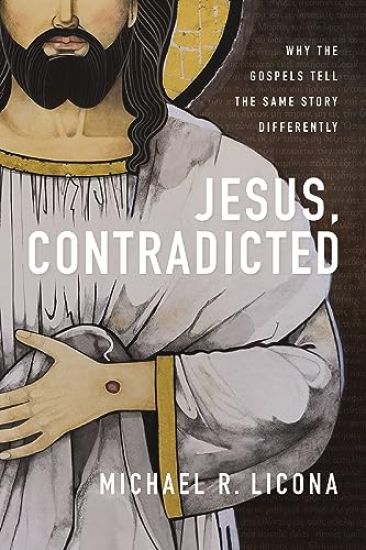
The differences and discrepancies in the Gospels constitute the foremost objections to their reliability and the credibility of their message. Some have tried to resolve Gospels contradictions with strained harmonization efforts. Many others conclude that the Gospels are hopelessly contradictory and, therefore, historically unreliable accounts of Jesus. In Jesus, Contradicted, New Testament scholar Michael Licona shows how the genre of ancient biography, to which the Gospels belong, actually allows biographers to be flexible in how they report events, construct a narrative, and make an argument. Licona demonstrates that the intentional changes to the Jesus tradition by the Evangelists reveal that the differences in how the Gospels report events are not grounds for their rejection. Instead, they are a result of the Gospel writers employing standard literary conventions common in their time for writing ancient biography. Licona introduces readers to the genre of ancient biography through Plutarch, who wrote 48 of the 90 extent biographies written within 150 years of Jesus, giving numerous examples of compositional devices employed by Plutarch, and comparing them with instances in the Gospels where the Evangelists appear to use similar techniques. Licona also examines Theon's Progymnasmata, a first-century textbook that provides six techniques for paraphrasing one's sources when writing a narrative. In doing so, he helps readers understand why the Gospels report many events differently. Finally, Licona concludes by addressing the thorny question of whether the editorial moves commonplace in ancient biography are compatible with the doctrines of the divine inspiration and the inerrancy of Scripture. Rather than trying to resolve discrepancies by bending the Gospel narrative, which risks making them say things they aren't saying, Jesus, Contradicted situates the Gospels within their proper context and helps readers account for differences in the Gospels in a cohesive and historically cogent way.
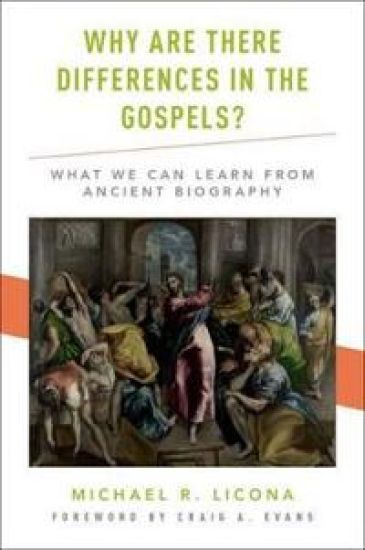
Why Are There Differences in the Gospels?
Michael R. Licona; Craig A. Evans
Oxford University Press Inc
2017
sidottu
Anyone who reads the Gospels carefully will notice that there are differences in the manner in which they report the same events. These differences have led many conservative Christians to resort to harmonization efforts that are often quite strained, sometimes to the point of absurdity. Many people have concluded the Gospels are hopelessly contradictory and, therefore, historically unreliable accounts of Jesus. The majority of New Testament scholars now hold that most if not all of the Gospels belong to the genre of Greco-Roman biography and that this genre permitted some flexibility in the manner that historical events were narrated. However, few scholars provide a robust discussion on how this plays out in Gospel pericopes (self-contained passages). Why Are There Differences in the Gospels? provides a fresh approach to the matter by examining the works of Plutarch, a Greek essayist who lived in the first and second centuries CE. Michael R. Licona discovers three-dozen pericopes narrated two or more times in Plutarch's Lives, identifies differences between the accounts, and views these differences in light of compositional devices acknowledged by classical scholars to have been commonly employed by ancient authors. The book then uses the same approach with nineteen pericopes narrated in two or more Gospels to demonstrate that the major differences found in them likely result from the same compositional devices employed by Plutarch. By suggesting that both the strained harmonizations and the hasty dismissals of the Gospels as reliable accounts are misguided, Licona invites readers to view the Gospels in light of their biographical genre in order to gain a clearer understanding of why the differences are present.
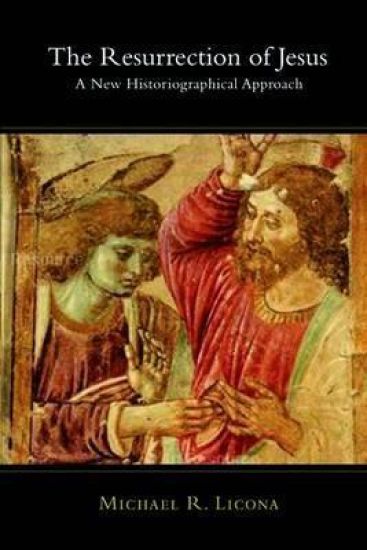
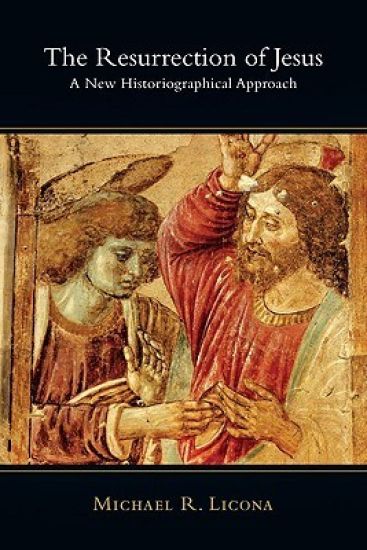
The question of the historicity of Jesus' resurrection has been repeatedly probed, investigated and debated. And the results have varied widely. Perhaps some now regard this issue as the burned-over district of New Testament scholarship. Could there be any new and promising approach to this problem? Yes, answers Michael Licona. And he convincingly points us to a significant deficiency in approaching this question: our historiographical orientation and practice. So he opens this study with an extensive consideration of historiography and the particular problem of investigating claims of miracles. This alone is a valuable contribution. But then Licona carefully applies his principles and methods to the question of Jesus' resurrection. In addition to determining and working from the most reliable sources and bedrock historical evidence, Licona critically weighs other prominent hypotheses. His own argument is a challenging and closely argued case for the historicity of the resurrection of Jesus, the Christ. Any future approaches to dealing with this 'prize puzzle' of New Testament study will need to be routed through The Resurrection of Jesus.
The question of the historicity of Jesus' resurrection has been repeatedly probed, investigated and debated. And the results have varied widely. Perhaps some now regard this issue as the burned-over district of New Testament scholarship. Could there be any new and promising approach to this problem? Yes, answers Michael Licona. And he convincingly points us to a significant deficiency in approaching this question: our historiographical orientation and practice. So he opens this study with an extensive consideration of historiography and the particular problem of investigating claims of miracles. This alone is a valuable contribution. But then Licona carefully applies his principles and methods to the question of Jesus' resurrection. In addition to determining and working from the most reliable sources and bedrock historical evidence, Licona critically weighs other prominent hypotheses. His own argument is a challenging and closely argued case for the historicity of the resurrection of Jesus, the Christ. Any future approaches to dealing with this "prize puzzle" of New Testament study will need to be routed through The Resurrection of Jesus.
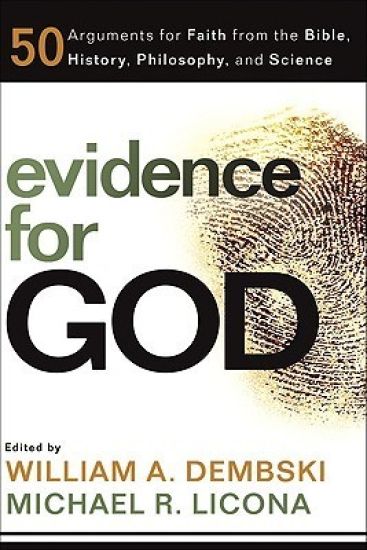
Evidence for God – 50 Arguments for Faith from the Bible, History, Philosophy, and Science
William A. Dembski; Michael R. Licona
Baker Academic, Div of Baker Publishing Group
2010
nidottu
Halvin toimitettuna 27,50 €
There have always been challenges to belief in God as he is revealed in the Bible and each new year seems to add more questions to the doubter's arsenal. In Evidence for God, leading apologists provide compelling arguments that address the most pressing questions of the day about God, science, Jesus, the Bible, and more, including Is Intelligent Design really a credible explanation of the origins of our world? Did Jesus really exist? Is Jesus really the only way to God? What about those who have never heard the gospel? Is the Bible today what was originally written? What about recently publicized gospels that aren't in the Bible? and much more
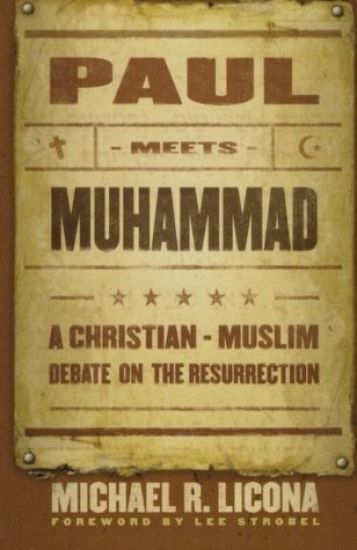
Paul Meets Muhammad – A Christian–Muslim Debate on the Resurrection
Michael R. Licona; Lee Strobel
Baker Books, a division of Baker Publishing Group
2006
nidottu
Imagine if the Apostle Paul were alive to defend the truth of Jesus's resurrection-only to be countered by none other than the prophet Muhammad himself. In an approach as creative as any scholar has taken, Michael R. Licona describes an invention that can make historical figures appear alive and present. Imagining an audience of both Christians and Muslims, Licona crafts a lively debate between Paul and Muhammad, each speaking on and analyzing the validity of the Qur'an, the gospel accounts, and both Christian and Muslim doctrine. Intriguing and entertaining, Paul Meets Muhammad uniquely offers evangelism advice for Christians who want to speak the gospel to Muslim friends and neighbors. This fictional scenario presents a powerful, comprehensive defense of Jesus's resurrection and of Christianity itself.
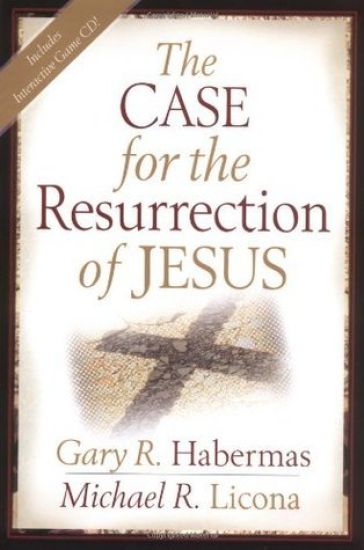
The Case for the Resurrection of Jesus
Gary R. Habermas; Michael R. Licona
Kregel Publications,U.S.
2004
nidottu
Halvin toimitettuna 24,00 €
"There is nothing like this on the market. It is interesting, engaging, and crucial material." --Norman Geisler This is an accessible, comprehensive, and persuasive resource providing detailed evidence for the resurrection of Jesus. It also demonstrates how to share the material clearly, honestly, and definitively. Included is an interactive CD which tests the reader's knowledge of the material by using an entertaining TV game show format. "[The authors] have distinguished themselves as leading experts on the evidence for this all important event." --D. James Kennedy Written by the leading evangelical apologist on the resurrection and an up-and-comerIncludes an interactive CD to cement the information from the bookWritten for lay people but includes extensive footnotes that scholars will find valuableIncludes charts, diagrams, and a detailed outline for quick reference