
Kirjojen hintavertailu – 12 903 725 kirjaa ja 27 kauppaa

Kirjailija

Michael S. Bisson

Kirjat ja teokset yhdessä paikassa: 3 kirjaa, julkaisuja vuosilta 2000–2006, suosituimpiin kuuluu Ancient African Metallurgy. Vertaile teosten hintoja ja tarkista saatavuus suomalaisista kirjakaupoista.

3 kirjaa

Kirjojen julkaisuvuodet: 2000–2006.

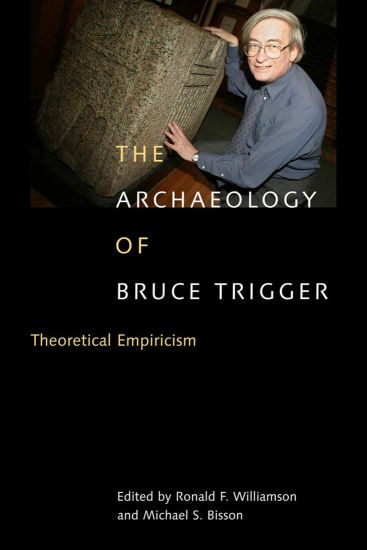
The Archaeology of Bruce Trigger

The Archaeology of Bruce Trigger

Ronald F. Williamson; Michael S. Bisson

McGill-Queen's University Press
2006
sidottu
Bruce Trigger has merged the history of archaeology with new perspectives on how to understand the past. He is a critical analyst and architect of social evolutionary theory, an Egyptologist, and an authority on aboriginal cultures in north-eastern North America. His contextualization of archaeology within broader society has encouraged appreciation of the power of archaeological knowledge and he has been an effective voice for non-oppositional forms of argument in archaeological theory. In The Archaeology of Bruce Trigger, leading scholars discuss their own approaches to the interpretation of archaeological data in relation to Trigger's fundamental intellectual contributions Contributors include Michael Bisson (McGill), Stephen Chrisomalis (Toronto), Jerimy J. Cunningham (Calgary), Brian Fagan (Lindbrior Corporation), Clare Fawcett (St. Francis Xavier), Junko Habu (California at Berkeley), Ian Hodder (Stanford), Jane Kelley (Calgary), Martha Latta (Toronto), Robert MacDonald (Archaeological Services Inc.) , Randall McGuire (Binghamton), Lynn Meskell (Columbia), Toby Morantz (McGill), Robert Pearce (London Museum of Archaeology), David Smith (Toronto), Peter Timmins (Timmins Martelle Heritage Consultants), Silvia Tomaskova (North Carolina), Bruce G. Trigger (McGill), Alexander von Gernet (Toronto), Gary Warrick (Wilfrid Laurier), Ronald F. Williamson (Archaeological Services Inc.), Alison Wylie (Washington), and Eldon Yellowhorn (Simon Frasier)
The Archaeology of Bruce Trigger

The Archaeology of Bruce Trigger

Ronald F. Williamson; Michael S. Bisson

McGill-Queen's University Press
2006
nidottu
Bruce Trigger has merged the history of archaeology with new perspectives on how to understand the past. He is a critical analyst and architect of social evolutionary theory, an Egyptologist, and an authority on aboriginal cultures in north-eastern North America. His contextualization of archaeology within broader society has encouraged appreciation of the power of archaeological knowledge and he has been an effective voice for non-oppositional forms of argument in archaeological theory. In The Archaeology of Bruce Trigger, leading scholars discuss their own approaches to the interpretation of archaeological data in relation to Trigger's fundamental intellectual contributions Contributors include Michael Bisson (McGill), Stephen Chrisomalis (Toronto), Jerimy J. Cunningham (Calgary), Brian Fagan (Lindbrior Corporation), Clare Fawcett (St. Francis Xavier), Junko Habu (California at Berkeley), Ian Hodder (Stanford), Jane Kelley (Calgary), Martha Latta (Toronto), Robert MacDonald (Archaeological Services Inc.) , Randall McGuire (Binghamton), Lynn Meskell (Columbia), Toby Morantz (McGill), Robert Pearce (London Museum of Archaeology), David Smith (Toronto), Peter Timmins (Timmins Martelle Heritage Consultants), Silvia Tomaskova (North Carolina), Bruce G. Trigger (McGill), Alexander von Gernet (Toronto), Gary Warrick (Wilfrid Laurier), Ronald F. Williamson (Archaeological Services Inc.), Alison Wylie (Washington), and Eldon Yellowhorn (Simon Frasier)
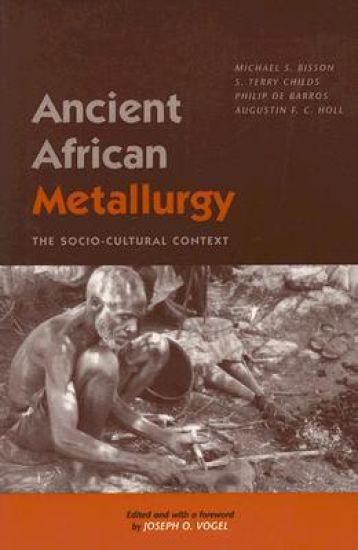
Ancient African Metallurgy

Ancient African Metallurgy

Michael S. Bisson; Terry S. Childs; Philip De Barros; Augustin F.C. Holl; Joseph O. Vogel

AltaMira Press,U.S.
2000
nidottu
Gold. Copper. Iron. Metal working in Africa has been the subject of both public lore and extensive archaeological investigation. Here, four of the leading contemporary researchers on this topic attempt to provide a complete synthesis of current debates and understandings: Where, how, and when was metal first introduced to the continent? How were iron and copper tools, implements, and objects used in everyday life, in trade, in political and cultural contexts? What role did metal objects play in the ideological systems of precolonial African peoples? Substantive chapters address the origins of metal working and the technology and the various uses and meanings of copper and iron. An ethnoarchaeological account in the words of a contemporary iron worker enriches the archaeological explanations. This book provides a comprehensive, timely summary of our current knowledge.