Kirjailija
Michael S Moore
Kirjat ja teokset yhdessä paikassa: 22 kirjaa, julkaisuja vuosilta 1997–2026, suosituimpiin kuuluu Yeshu`a's Bible. Vertaile teosten hintoja ja tarkista saatavuus suomalaisista kirjakaupoista.
Nimi esiintyy myös muodoissa: Michael S. Moore
22 kirjaa
Kirjojen julkaisuvuodet: 1997–2026.

Etsitkö jännitystä, uusia näkökulmia tai rentouttavaa lukuelämystä? Tutustu kirjakategorioihimme ja löydä seuraava suosikkikirjasi.
Tervetuloa Pohjoismaiden suurimpaan verkkokirjakauppaan! Adlibris kannattaa sananvapautta, ja haluamme edistää kirjallisuuden ja tiedon saatavuutta.
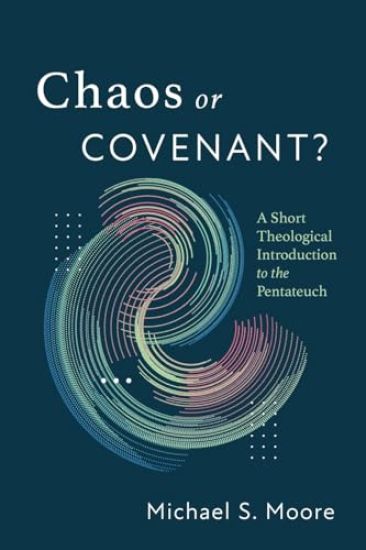
The purpose of this book is to introduce the Pentateuch to (under)graduate students by approaching it from the perspective of five theological polarities: chaos-creation (Genesis), slavery-freedom (Exodus), defilement-holiness (Leviticus), wilderness-homeland (Numbers), and conflict-covenant (Deuteronomy). It examines these polarities in light of other great texts from the ancient Near East (and Qur'an) in the hope of ushering the reader into a deeper understanding of the one God revered by Jews, Christians, and Muslims.
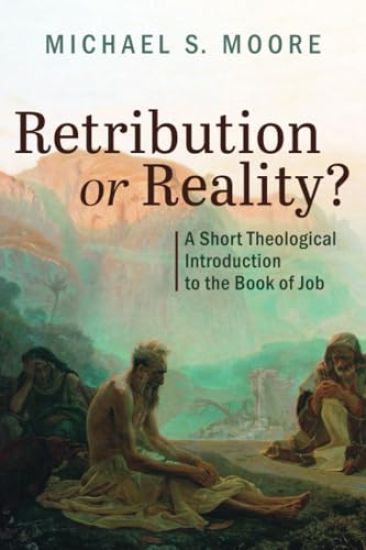
The book of Job is one of the greatest, if not the greatest, literary accomplishments of the ancient world, yet in many ways it is just as relevant today as it was then. This book examines Job from a comparative theological perspective in order to help contemporary readers access it, learn from it, and apply its insights to contemporary life.
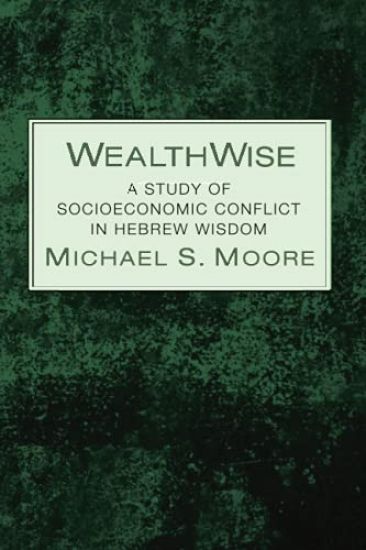
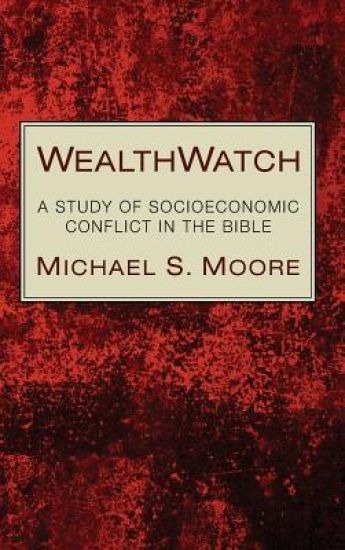
Like the first two books in this series (WealthWatch and WealthWarn), this volume attempts to do two things: (a) examine the primary socioeconomic motifs in the Bible from a comparative intertextual perspective, and (b) trace the trajectory formed by these motifs through Tanak into early Jewish and Nazarene texts. Where WealthWatch focuses on Torah and WealthWarn focuses on the Prophets, WealthWise focuses on wisdom literature. The texts examined here include the Instructions of Shuruppak, Codex Hammurabi, the Poem of the Pious Sufferer (Ludlul bel nemeqi), the Babylonian Theodicy, the Shamash Hymn, the Dialogue of Pessimism, various Hittite texts, the Proverbs of Ahiqar, 4QInstruction, the Wisdom of Ben Sira, and the Wisdom of Solomon, plus Luke's ""Sermon on the Plain"" and the Epistle of James.
Mechanical Choices details the intimate connection that exists between morality and law: the morality we use to blame others for their misdeeds and the criminal law that punishes them for these misdeeds. This book shows how both law and morality presuppose the accuracy of common sense, a centuries-old psychology that defines people as rational agents who make honorable choices and act for just reasons. It then shows how neuroscience is commonly taken to challenge these fundamental psychological assumptions. Such challenges--four in number--are distinguished from each other by the different neuroscientific facts from which they arise: the fact that human choices are caused by brain events; the fact that those choices don't cause the actions that are their objects but are only epiphenomenal to those choices; the fact that those choices are identical to certain physical events in the brain; and the fact that human subjects are quite fallible in their knowledge of what they are doing and why. The body of this book shows how such challenges are either based on faulty facts or misconceived as to the relevance of such facts to responsibility. The book ends with a detailed examination of the neuroscience of addiction, an examination which illustrates how neuroscience can help rather than challenge both law and morality in their quest to accurately define excuses from responsibility.
Like the first volume in this series (WealthWatch, Pickwick, 2011) this book attempts to do two things: (a) examine the primary socioeconomic motifs in the Bible from a comparative intertextual perspective, and (b) trace the trajectory formed by these motifs through Tanak into early Jewish and Nazarene texts. Where WealthWatch focuses on Torah, WealthWarn focuses on the single largest section of the Bible--the Prophets. Where the ancient Near Eastern texts surveyed in WealthWatch include the Epic of Gilgamesh, Atrahasis, and the Epic of Erra, the texts examined here include Inanna's Descent, the Babylonian Creation Epic (enūma elish), the Disappearance of Telipinu, and the Ba al Epic. Where the Jewish texts surveyed in WealthWatch include historical and sectarian texts, the texts studied here include Ezra-Nehemiah, the Epistle of Jeremiah and Tobit. Where the Nazarene texts in WealthWatch focus on the stewardship parables found in the Gospel of Luke, the texts examined here focus on several prophetic vignettes from the Gospel of Matthew and Acts of the Apostles.
Containerized Ammunition Delivery System in the Republic of Korea
Michael S Moore
Biblioscholar
2012
pokkari
In print for the first time in over ten years, Act and Crime provides a unified account of the theory of action presupposed by both Anglo-American criminal law and the morality that underlies it. The book defends the view that human actions are always volitionally caused bodily movements and nothing else. The theory is used to illuminate three major problems in the drafting and the interpretation of criminal codes: 1) what the voluntary act requirement both does and should require; 2) what complex descriptions of actions prohibited by criminal codes both do and should require (in addition to the doing of a voluntary act); and 3) when two actions are 'the same' for purposes of assessing whether multiple prosecutions and multiple punishments are warranted. The book both contributes to the development of a coherent theory of action in philosophy, and it provides both legislators and judges (and the lawyers who argue to both) a grounding in three of the most basic elements of criminal liability.
This is a collection of essays written by Moore which form a thorough examination of the theory of criminal responsibility. The author covers a wide range of topics, giving the book a coherence and unity which is rare in assembled essays. Perhaps the most significant feature of this book is Moore's espousal of a retributivist theory of punishment. This anti-utilitarian standpoint is a common thread throughout the book. It is also a trend which is currently manifesting itself in all areas of moral, political and legal philosophy, but Moore is one of the first to apply such attitudes so systematically to criminal law theory. As such, this innovative, new book will be of great interest to all scholars in this field.
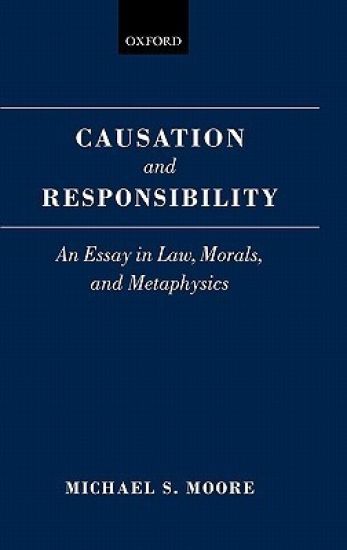
The concept of causation is fundamental to ascribing moral and legal responsibility for events. Yet the relationship between causation and responsibility remains unclear. What precisely is the connection between the concept of causation used in attributing responsibility and the accounts of causal relations offered in the philosophy of science and metaphysics? How much of what we call causal responsibility is in truth defined by non-causal factors? This book argues that much of the legal doctrine on these questions is confused and incoherent, and offers the first comprehensive attempt since Hart and Honoré to clarify the philosophical background to the legal and moral debates. The book first sets out the place of causation in criminal and tort law and outlines the metaphysics presupposed by the legal doctrine. It then analyses the best theoretical accounts of causation in the philosophy of science and metaphysics, and using these accounts criticises many of the core legal concepts surrounding causation - such as intervening causation, forseeability of harm and complicity. It considers and rejects the radical proposals to eliminate the notion of causation from law by using risk analysis to attribute responsibility. The result of the analysis is a powerful argument for revising our understanding of the role played by causation in the attribution of legal and moral responsibility.