Kirjojen hintavertailu – 12 859 829 kirjaa ja 27 kauppaa

Kirjailija

Michael Schulz

Kirjat ja teokset yhdessä paikassa: 32 kirjaa, julkaisuja vuosilta 2002–2026, suosituimpiin kuuluu Entgeltabrechnung 2026. Vertaile teosten hintoja ja tarkista saatavuus suomalaisista kirjakaupoista.

32 kirjaa

Kirjojen julkaisuvuodet: 2002–2026.

Analytische Datenarchitekturen

Analytische Datenarchitekturen

Michael Schulz

Springer Fachmedien Wiesbaden
2024
nidottu
Lange Zeit waren Data Warehouse, Data Mart und Operational Data Store die einzigen verbreiteten Komponenten einer analytischen Datenarchitektur. Die zunehmende Verwendung komplexer Daten zur Entscheidungsunterstützung hat in den letzten Jahren Architekturkomponenten wie den Data Lake oder Möglichkeiten zur analytischen Verwendung von Stromdaten hervorgebracht. War ihr Einsatz in vielen Organisationen zunächst von Misserfolgen begleitet, haben sich mittlerweile Grundsätze etabliert, die einen sinnvollen Einsatz ermöglichen. Seit kurzem sind mit Data Lakehouse, Data Fabric und Data Mesh weitere Ansätze in der Diskussion. Durch diese Vielzahl existierender Ansätze ist der Themenkomplex unübersichtlich geworden und es wird immer schwieriger, den Überblick zu behalten. Genau darin liegt die Zielsetzung des vorliegenden Buches: Mit einem klaren Fokus auf derzeit relevante Architekturkomponenten sollen ihre Hauptmerkmale verdeutlicht werden.
Civil Resistance and Democracy Promotion

Civil Resistance and Democracy Promotion

Michael Schulz

TAYLOR FRANCIS LTD
2024
nidottu
This book examines transnational civil society-based democracy-promoting resistance activities in Asia in a global era, focusing on the cases of Myanmar and Palestine. The work contributes to our understanding of the nexus between globalization, power and democracy by examining: (i) the ways in which globalization/global governance are influencing various resistance practices of the civil societies in Myanmar and Palestine, and what this means for local democracy promotion; and (ii) the ways in which these two civil societies influence and have a democracy-promoting impact on their respective communities. It is guided by the overarching question of how civil society-based resistance contributes to local democracy in Myanmar and Palestine. The book is structured as follows: both civil resistance cases begin with an overview of each country’s non-violent resistance history, and the findings are then presented for the two cases, i.e., the pro-democracy movements in the Saffron uprising in Myanmar and the Bil’in village struggle against the Israeli Security Barrier plans to build through their farmlands. Then follows a presentation of the life-story interview made with two members from the respective campaigns. A concluding chapter proposes some new theoretical insights for how civil resistance can impact on democracy. The book empirically and theoretically contributes to our understanding of how civil society-based resistance and democracy interrelate in a global era. This book will be of much interest to students of civil resistance, democracy, Asian studies, Middle Eastern studies and international relations in general.
Civil Resistance and Democracy Promotion

Civil Resistance and Democracy Promotion

Michael Schulz

TAYLOR FRANCIS LTD
2023
sidottu
This book examines transnational civil society-based democracy-promoting resistance activities in Asia in a global era, focusing on the cases of Myanmar and Palestine. The work contributes to our understanding of the nexus between globalization, power and democracy by examining: (i) the ways in which globalization/global governance are influencing various resistance practices of the civil societies in Myanmar and Palestine, and what this means for local democracy promotion; and (ii) the ways in which these two civil societies influence and have a democracy-promoting impact on their respective communities. It is guided by the overarching question of how civil society-based resistance contributes to local democracy in Myanmar and Palestine. The book is structured as follows: both civil resistance cases begin with an overview of each country’s non-violent resistance history, and the findings are then presented for the two cases, i.e., the pro-democracy movements in the Saffron uprising in Myanmar and the Bil’in village struggle against the Israeli Security Barrier plans to build through their farmlands. Then follows a presentation of the life-story interview made with two members from the respective campaigns. A concluding chapter proposes some new theoretical insights for how civil resistance can impact on democracy. The book empirically and theoretically contributes to our understanding of how civil society-based resistance and democracy interrelate in a global era. This book will be of much interest to students of civil resistance, democracy, Asian studies, Middle Eastern studies and international relations in general.
Elektrodynamik

Elektrodynamik

Peter Reineker; Michael Schulz; Beatrix M. Schulz; Reinhold Walser; Christoph Warns

Wiley-VCH Verlag GmbH
2022
nidottu
Die Neuauflage gibt eine Einführung in die konzeptionell und mathematisch anspruchsvolle Elektrodynamik. Ausgehend von experimentellen Erkenntnissen über elektrische und magnetische Felder werden die Studierenden an die Maxwell-Gleichungen im Vakuum und in Materie herangeführt.
Mechanik

Mechanik

Peter Reineker; Michael Schulz; Beatrix M. Schulz; Reinhold Walser

Wiley-VCH Verlag GmbH
2021
nidottu
Die Neuauflage deckt die klassischen Gebiete der Mechanik ab, angefangen bei der Kinematik eines Massenpunktes über die Newtonschen Bewegungsgleichungen bis zu den abstrakten Formulierungen der Mechanik (Lagrange 1. und 2. Art, Hamilton'sche Mechanik) und der Relativitätstheorie.
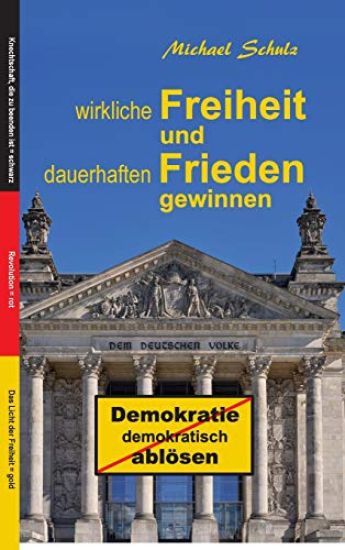
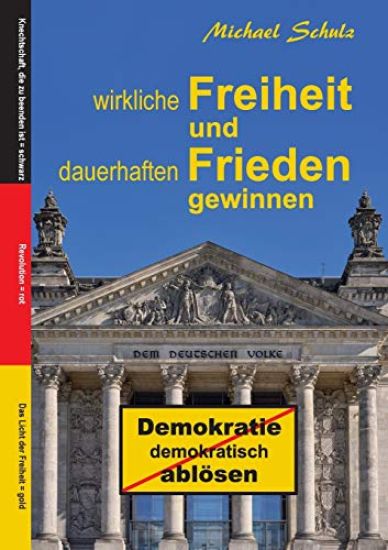
Wirkliche Freiheit und dauerhaften Frieden gewinnen: Demokratie demokratisch ablösen
Dieses Buch enth lt die Begr ndung und den Plan f r eine Revolution. Wir entsorgen die m chtigsten Herrscher der Welt, die westlichen Demokraten. Aus einem Sachbuch zum Thema "Geld" entstand w hrend des Schreibens der Plan, die Welt zu ndern. Die Reise gliedert sich in f nf Abschnitte: Teil eins erkl rt Geld und Eigentum - ganz anders, als wir es kennen. Es wird klar, wie Geld entstanden ist und wie Machthaber Geld seit mehr als zehntausend Jahren benutzen, um Untertanen zum Arbeiten zu zwingen. Teil zwei zeigt, wie Regierungen uns zwecks Machterhalts in einen Abgrund f hren, der deutlich realer ist als die Klimakatastrophe. In Teil drei entlarven wir die Demokratie als reinen Mafiastaat. Nie war Obrigkeit schlimmer als heute. Nur, weil Demokraten gew hlt werden, pressen sie aus uns Untertanen und der Umwelt mehr heraus als Adlige je k nnten. Niemals war Freiheit so weit weg wie heute. Teil vier liefert ein klares Wertesystem, keine wolkigen "christlichen Werte" und auch keine dahergelaberte "W rde", die uns nichts bringt. Dazu kommen zw lf konkrete nderungen, nach deren Umsetzung wir keine Obrigkeit mehr ben tigen. Ein glaubw rdiges Konzept, das wirkliche Freiheit und dauerhaften Frieden bringt. F r alle Menschen. Weltweit. Die eigentliche nderung ist winzig, aber hundertprozentig wirkungsvoll. Wie Demokratie streng demokratisch und vorsichtig abgel st wird, steht im letzten Teil. Auch wie jeder mithelfen kann. Alles, um endlich frei zu werden. Nie wieder werden Polizisten friedliche Demonstranten bedrohen. Ausgeschlossen Begeben Sie sich auf eine Abenteuerreise: Lesen, um die Welt zu verstehen und dann wirkliche Freiheit und dauerhaften Frieden zu gewinnen.

Wirkliche Freiheit und dauerhaften Frieden gewinnen: Demokratie demokratisch ablösen
Dieses Buch enth lt die Begr ndung und den Plan f r eine Revolution. Wir entsorgen die m chtigsten Herrscher der Welt, die westlichen Demokraten. Aus einem Sachbuch zum Thema "Geld" entstand w hrend des Schreibens der Plan, die Welt zu ndern. Die Reise gliedert sich in f nf Abschnitte: Teil eins erkl rt Geld und Eigentum - ganz anders, als wir es kennen. Es wird klar, wie Geld entstanden ist und wie Machthaber Geld seit mehr als zehntausend Jahren benutzen, um Untertanen zum Arbeiten zu zwingen. Teil zwei zeigt, wie Regierungen uns zwecks Machterhalts in einen Abgrund f hren, der deutlich realer ist als die Klimakatastrophe. In Teil drei entlarven wir die Demokratie als reinen Mafiastaat. Nie war Obrigkeit schlimmer als heute. Nur, weil Demokraten gew hlt werden, pressen sie aus uns Untertanen und der Umwelt mehr heraus als Adlige je k nnten. Niemals war Freiheit so weit weg wie heute. Teil vier liefert ein klares Wertesystem, keine wolkigen "christlichen Werte" und auch keine dahergelaberte "W rde", die uns nichts bringt. Dazu kommen zw lf konkrete nderungen, nach deren Umsetzung wir keine Obrigkeit mehr ben tigen. Ein glaubw rdiges Konzept, das wirkliche Freiheit und dauerhaften Frieden bringt. F r alle Menschen. Weltweit. Die eigentliche nderung ist winzig, aber hundertprozentig wirkungsvoll. Wie Demokratie streng demokratisch und vorsichtig abgel st wird, steht im letzten Teil. Auch wie jeder mithelfen kann. Alles, um endlich frei zu werden. Nie wieder werden Polizisten friedliche Demonstranten bedrohen. Ausgeschlossen Begeben Sie sich auf eine Abenteuerreise: Lesen, um die Welt zu verstehen und dann wirkliche Freiheit und dauerhaften Frieden zu gewinnen.

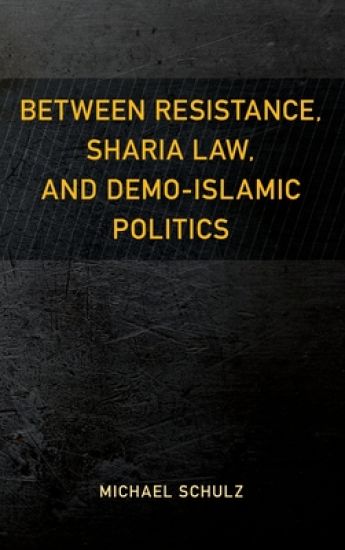
Between Resistance, Sharia Law, and Demo-Islamic Politics
Despite the fact that many researchers have focused on Hamas’ armed resistance activities, surprisingly few have theorised about the political choices and dilemmas that Hamas has faced in the context of the changing overarching conflict between Israelis and Palestinians. This study aims to show, theoretically, how context-dependent Hamas is when formulating its resistance and Demo-Islamic practise and that this occurs in interrelations with key actors of the conflict. This study also presents important new empirical data that, in part, also challenges previous research. Hamas is one of the very few Islamist organisations that has reached a governance position via democratic and fair elections. Thus, Hamas can serve as a case study of how Islamist may act in (quasi)democratic surroundings. At the same time, Hamas is a key actor in the overarching conflict, which has several unique characteristics. Hamas’ armed resistance is described as an instrument for the Jihad against the Israeli occupation. However, the dawa work at the grassroots level can also be seen as a resistance practice that can be identified as constructive resistance. The internal discussion in Hamas as to what strategies to apply, as will be shown, are also formed and impacted by various interrelations with external actors of the conflict. The Palestinian public, in particular, is a key actor that influences Hamas in various ways, although Fatah, PLO, Israel and other external actors also have their specific roles to play.