
Kirjailija
Michaela Ott
Kirjat ja teokset yhdessä paikassa: 6 kirjaa, julkaisuja vuosilta 2010–2024, suosituimpiin kuuluu Quel dehors de la pensée ?. Vertaile teosten hintoja ja tarkista saatavuus suomalaisista kirjakaupoista.
6 kirjaa
Kirjojen julkaisuvuodet: 2010–2024.
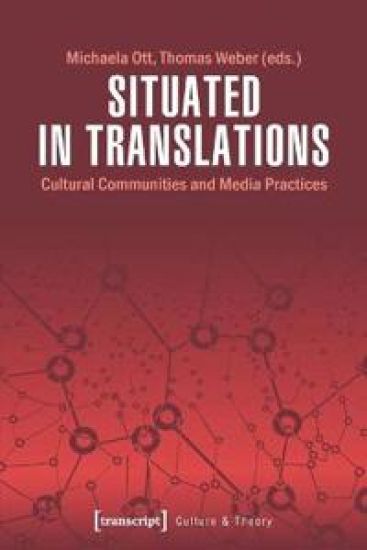
Situated in Translations – Cultural Communities and Media Practices
Michaela Ott; Thomas Weber
Transcript Verlag
2021
nidottu
Cultural communities are shaped and produced by ongoing processes of translation understood as aesthetic media practices – such is the premise of this volume. Taking on perspectives from cultural, literary and media studies as well as postcolonial theory, the chapters shed light on composite cultural and heterotypical translation processes across various media, such as texts, films, graphic novels, theater and dance performances. Thus, the authors explore the cultural contexts of diverse media milieus in order to explain how cultural communities come into being.
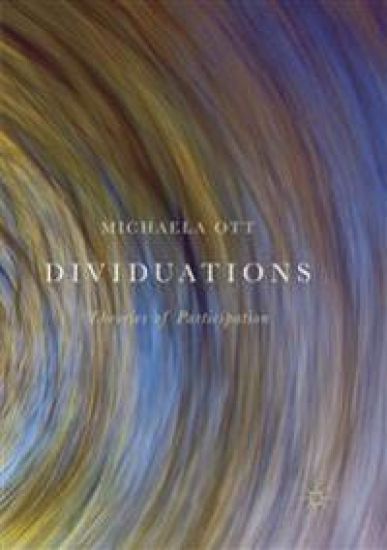
This book offers an epistemological critique of the concept of the individual and of individuality. It argues that because of our bio(techno)logical entanglements with non-human others, billions of microorganisms and our multiple (in)voluntary participations in socio(techno)logical processes, we have to conceive of ourselves no longer as individuals, but as dividuations. This dividual character which enforces simultaneous and multidirectional participations in different spheres is also apt for other living beings, for entities such as the nation state, for single cultures, production processes and works of art. The critique of individuality in the book is also elaborated in critical re-readings of classical philosophical texts from Plato up to today; the new concept of dividuation is a modified and semantically enriched version of certain concepts of the French philosophers Gilbert Simondon and Gilles Deleuze.
This book offers an epistemological critique of the concept of the individual and of individuality. It argues that because of our bio(techno)logical entanglements with non-human others, billions of microorganisms and our multiple (in)voluntary participations in socio(techno)logical processes, we have to conceive of ourselves no longer as individuals, but as dividuations. This dividual character which enforces simultaneous and multidirectional participations in different spheres is also apt for other living beings, for entities such as the nation state, for single cultures, production processes and works of art. The critique of individuality in the book is also elaborated in critical re-readings of classical philosophical texts from Plato up to today; the new concept of dividuation is a modified and semantically enriched version of certain concepts of the French philosophers Gilbert Simondon and Gilles Deleuze.
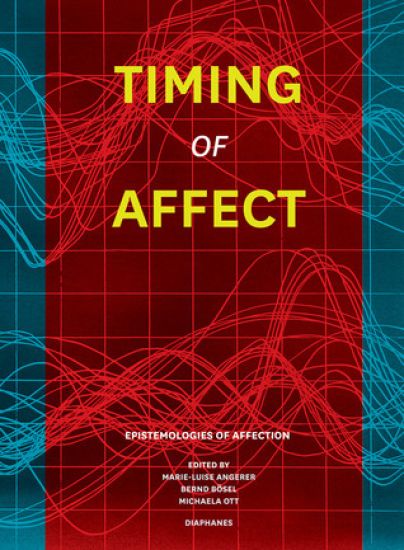
Timing of Affect – Epistemologies of Affection
Marie–luise Angerer; Bernd Bosel; Michaela Ott
Diaphanes AG
2014
nidottu
Affect, or the process by which emotions come to be embodied, is a burgeoning area of interest in both the humanities and the sciences. For Timing of Affect, Marie-Luise Angerer, Bernd Bosel, and Michaela Ott have assembled leading scholars to explore the temporal aspects of affect through the perspectives of philosophy, music, film, media, and art, as well as technology and neurology. The contributions address possibilities for affect as a capacity of the body; as an anthropological inscription and a primary, ontological conjunctive and disjunctive process; as an interruption of chains of stimulus and response; and as an arena within cultural history for political, media, and psychopharmacological interventions. Showing how these and other temporal aspects of affect are articulated both throughout history and in contemporary society, the editors then explore the implications for the current knowledge structures surrounding affect today.
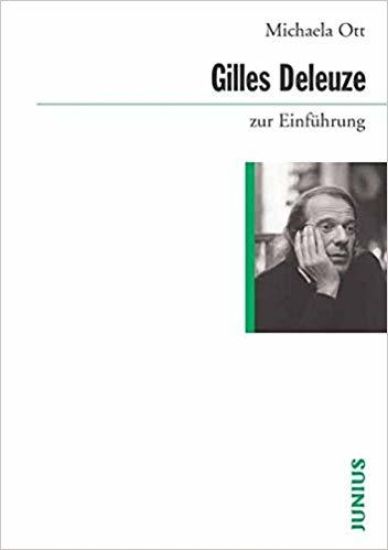
Wie lässt sich ein Denker des Heterogenen einpassen in eine Überblicksdarstellung, die entsprechend ihrer Zielsetzung Disparitäten und Paradoxien eher unterschlagen muss, als sie zu akzentuieren? Hielte man sich an Deleuzes eigene Anweisungen, dann müsste man mittendrin anfangen, weniger erklären und intensiver wiederholen, das Befremdliche ins noch Befremdlichere rücken. Michaela Ott nähert sich der "Begriffsperson" Deleuze, indem sie das unter diesem Namen konstruierte Denkfeld in der Bewegung seiner Lektüren, in der Wiederholung und Differenzierung von Grundannahmen und Wertsetzungen nachzeichnet und zeigt, wie Deleuze in das Feld philosophischer Begriffsentfaltung nach und nach Denkpläne literarischer Texte und semiotischer Analysen von Malerei und Film "einfaltet".