Kirjojen hintavertailu – 12 859 819 kirjaa ja 27 kauppaa

Kirjailija

Michelle Facos

Kirjat ja teokset yhdessä paikassa: 5 kirjaa, julkaisuja vuosilta 2009–2025, suosituimpiin kuuluu Symbolist Art in Context. Vertaile teosten hintoja ja tarkista saatavuus suomalaisista kirjakaupoista.

5 kirjaa

Kirjojen julkaisuvuodet: 2009–2025.

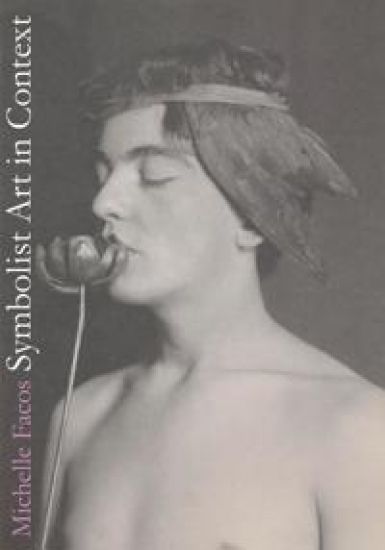
Symbolist Art in Context

Symbolist Art in Context

Michelle Facos

University of California Press
2009
pokkari
The Symbolist art movement of the late nineteenth century forms an important bridge between Impressionism and Modernism. But because Symbolism, more than the two movements it links, emphasizes ideas over objects and events, it has suffered from vague and conflicting definitions. In "Symbolist Art in Context", Michelle Facos offers a clearly written, comprehensive, and accessible description of this challenging subject. Reaching back into Romanticism for Symbolism's origins, Facos argues that Symbolism enabled artists (including Munch and Gauguin) to confront an increasingly uncertain and complex world - one to which pessimists responded with themes of decadence and degeneration and optimists with idealism and reform.
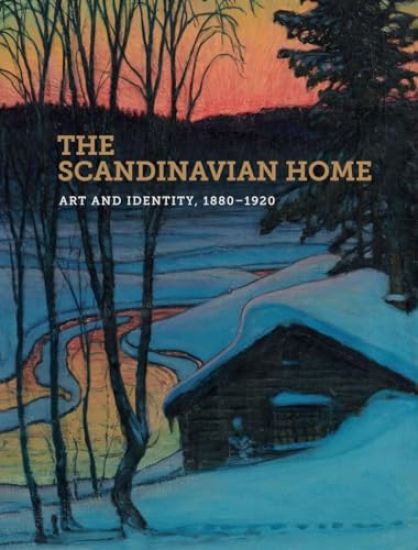
The Scandinavian Home

The Scandinavian Home

Patricia G. Berman; Dawn R. Brean; Michelle Facos

D GILES LTD
2025
pokkari

Halvin toimitettuna 42,90 €

The Scandinavian Home is the first publication to examine the entangled notions of home and homeland that were central to the art and material culture of Denmark, Norway, Sweden, and Finland in the second half of the nineteenth century. “Home” was a central metaphor in the nation-building activities of each country. The arts played a crucial role in reinforcing a shared sense of belonging amongst Nordic countries as they strove to identify and celebrate authentic local and national identities. The linkages among land, landscape, handicraft, and domestic dwellings as dimensions of home are embedded in this survey of the extensive David and Sue Werner Collection of Scandinavian art, presented to the public for the first time. Encompassing an impressive range of almost 150 painting, drawing, furniture, textiles, glass, metalwork, ceramics, and works on paper, highlights include rare tapestries and a wooden cabinet by the Norwegian artist Gerhard Munthe; Finnish ceramics by Willy Finch; landscape paintings by Hilma af Klint, Akseli Gallen-Kallela, Gustav Fjaestad and Pekka Halonen; and anonymous functional objects by outstanding handicraft artists – covering embroideries, metalwork, and wooden implements.
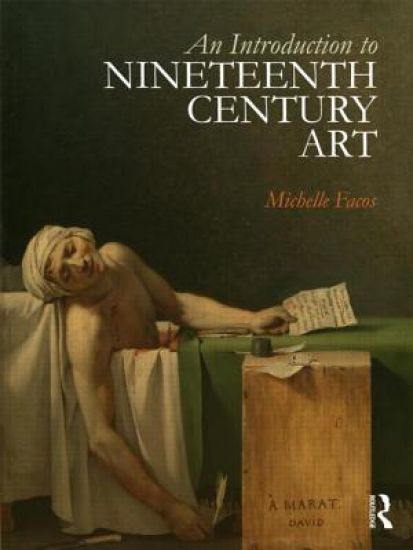
An Introduction to Nineteenth-Century Art
Using the tools of the "new" art history (feminism, Marxism, social context, etc.) An Introduction to Nineteenth-Century Art offers a richly textured, yet clear and logical, introduction to nineteenth-century art and culture. This textbook will provide readers with a basic historical framework of the period and the critical tools for interpreting and situating new and unfamiliar works of art. Michelle Facos goes beyond existing histories of nineteenth-century art, which often focus solely on France, Britain, and the United States, to incorporate artists and artworks from Scandinavia, Germany, and Eastern Europe. The book expertly balances its coverage of trends and individual artworks: where the salient trends are clear, trend-setting works are highlighted, and the complexity of the period is respected by situating all works in their proper social and historical context. In this way, the student reader achieves a more nuanced understanding of the way in which the story of nineteenth-century art is the story of the ways in which artists and society grappled with the problem of modernity. Key pedagogical features include: Data boxes provide statistics, timelines, charts, and historical information about the period to further situate artworks. Text boxes highlight extracts from original sources, citing the ideas of artists and their contemporaries, including historians, philosophers, critics, and theorists, to place artists and works in the broader context of aesthetic, cultural, intellectual, social, and political conditions in which artists were working. Beautifully illustrated with over 250 color images. Margin notes and glossary definitions. Online resources at www.routledge.com/textbooks/facos with access to a wealth of information, including original documents pertaining to artworks discussed in the textbook, contemporary criticism, timelines and maps to enrich your understanding of the period and allow for further comparison and exploration. Chapters take a thematic approach combined within an overarching chronology and more detailed discussions of individual works are always put in the context of the broader social picture, thus providing students with a sense of art history as a controversial and alive arena of study. Michelle Facos teaches art history at Indiana University, Bloomington. Her research explores the changing relationship between artists and society since the Enlightenment and issues of identity. Prior publications include Nationalism and the Nordic Imagination: Swedish Painting of the 1890s (1998), Art, Culture and National Identity in Fin-de-Siècle Europe, co-edited with Sharon Hirsh (2003), and Symbolist Art in Context (2009).

An Introduction to Nineteenth-Century Art
Using the tools of the "new" art history (feminism, Marxism, social context, etc.) An Introduction to Nineteenth-Century Art offers a richly textured, yet clear and logical, introduction to nineteenth-century art and culture. This textbook will provide readers with a basic historical framework of the period and the critical tools for interpreting and situating new and unfamiliar works of art. Michelle Facos goes beyond existing histories of nineteenth-century art, which often focus solely on France, Britain, and the United States, to incorporate artists and artworks from Scandinavia, Germany, and Eastern Europe. The book expertly balances its coverage of trends and individual artworks: where the salient trends are clear, trend-setting works are highlighted, and the complexity of the period is respected by situating all works in their proper social and historical context. In this way, the student reader achieves a more nuanced understanding of the way in which the story of nineteenth-century art is the story of the ways in which artists and society grappled with the problem of modernity. Key pedagogical features include: Data boxes provide statistics, timelines, charts, and historical information about the period to further situate artworks. Text boxes highlight extracts from original sources, citing the ideas of artists and their contemporaries, including historians, philosophers, critics, and theorists, to place artists and works in the broader context of aesthetic, cultural, intellectual, social, and political conditions in which artists were working. Beautifully illustrated with over 250 color images. Margin notes and glossary definitions. Online resources at www.routledge.com/textbooks/facos with access to a wealth of information, including original documents pertaining to artworks discussed in the textbook, contemporary criticism, timelines and maps to enrich your understanding of the period and allow for further comparison and exploration. Chapters take a thematic approach combined within an overarching chronology and more detailed discussions of individual works are always put in the context of the broader social picture, thus providing students with a sense of art history as a controversial and alive arena of study. Michelle Facos teaches art history at Indiana University, Bloomington. Her research explores the changing relationship between artists and society since the Enlightenment and issues of identity. Prior publications include Nationalism and the Nordic Imagination: Swedish Painting of the 1890s (1998), Art, Culture and National Identity in Fin-de-Siècle Europe, co-edited with Sharon Hirsh (2003), and Symbolist Art in Context (2009).