
Kirjojen hintavertailu – 12 859 818 kirjaa ja 27 kauppaa

Kirjailija

Mickey L. Mattox

Kirjat ja teokset yhdessä paikassa: 2 kirjaa, julkaisuja vuosilta 2008–2010, suosituimpiin kuuluu Luther and the Beloved Community. Vertaile teosten hintoja ja tarkista saatavuus suomalaisista kirjakaupoista.

2 kirjaa

Kirjojen julkaisuvuodet: 2008–2010.

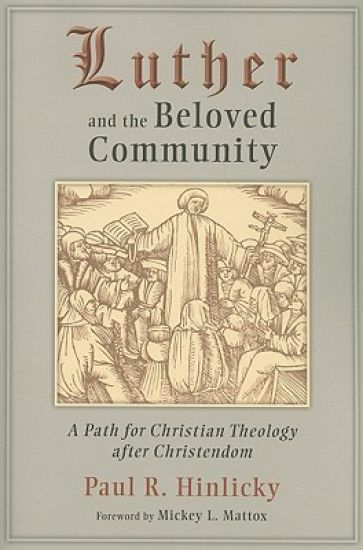
Luther and the Beloved Community

Luther and the Beloved Community

Paul R. Hinlicky; Mickey L. Mattox

William B Eerdmans Publishing Co
2010
nidottu
Is Christian belief tenable today? Is it possible to be a creedal Christian? With the help of Martin Luther, Paul Hinlicky here explores classical Christian beliefs regarding the person and work of Christ and human nature and destiny. He also counters contemporary objections to creedal faith, from the so-called -new perspective on Paul- to Pope Benedict's rejection of the Augsburg Confession to the continuing challenge of Marx. Luther and the Beloved Community does not present Luther's medieval thought as a possibility for today, but does make him available for the future as a teacher of the faith and a help for tackling contemporary questions of Christian belief. According to Hinlicky, Luther is misused and misunderstood by those of his own tradition and needs to be understood not as -hero of the faith- but rather as the proponent of a beloved community that does not yet fully exist. In performing this makeover, Hinlicky reveals genuine new insights concealed within Luther's rhetoric.
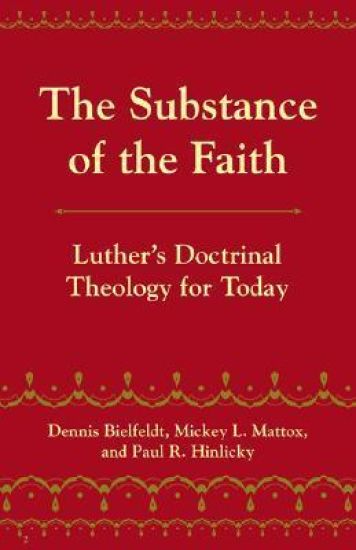
The Substance of the Faith

The Substance of the Faith

Paul R. Hinlicky; Mickey L. Mattox

Augsburg Fortress
2008
pokkari
This useful and insightful volume aims to illustrate, espouse, and renew the discipline of doctrinal theology, particularly as exemplified historically by Martin Luther and his theological reflection on the Trinity. The authors, steeped both in Luther's works and in the doctrinal tradition, show how dogmatics in the Lutheran tradition entails a delicate juxtaposition of credal commitment, scriptural interpretation, and doctrinal elaboration. Their respective chapters retrieve surprising historical insights about Luther's own practice of doctrinal theology, the interaction of the credal and doctrinal dimensions with a nuanced hermeneutic of scripture, and the future shape of a doctrinal theology genuinely responsive to the gospel and the present age.