Kirjojen hintavertailu – 12 903 725 kirjaa ja 27 kauppaa

Kirjailija

Miguel de Asúa

Kirjat ja teokset yhdessä paikassa: 4 kirjaa, julkaisuja vuosilta 2005–2023, suosituimpiin kuuluu Science in the Vanished Arcadia. Vertaile teosten hintoja ja tarkista saatavuus suomalaisista kirjakaupoista.

4 kirjaa

Kirjojen julkaisuvuodet: 2005–2023.

Science and Catholicism in Argentina (1750–1960)

Science and Catholicism in Argentina (1750–1960)

Miguel de Asúa

De Gruyter
2023
isokokoinen pokkari
Science and Catholicism in Argentina (1750–1960) is the first comprehensive study on the relationship between science and religion in a Spanish-speaking country with a Catholic majority and a "Latin" pattern of secularisation. The text takes the reader from Jesuit missionary science in colonial times, through the conflict-ridden 19th century, to the Catholic revival of the 1930s in Argentina. The diverse interactions between science and religion revealed in this analysis can be organised in terms of their dynamic of secularisation. The indissoluble identification of science and the secular, which operated at rhetorical and institutional levels among the liberal elite and the socialists in the 19th century, lost part of its force with the emergence of Catholic scientists in the course of the 20th century. In agreement with current views that deny science the role as the driving force of secularisation, this historical study concludes that it was the process of secularisation that shaped the interplay between religion and science, not the other way around.
Science and Catholicism in Argentina (1750–1960)
Science and Catholicism in Argentina (1750–1960) is the first comprehensive study on the relationship between science and religion in a Spanish-speaking country with a Catholic majority and a "Latin" pattern of secularisation. The text takes the reader from Jesuit missionary science in colonial times, through the conflict-ridden 19th century, to the Catholic revival of the 1930s in Argentina. The diverse interactions between science and religion revealed in this analysis can be organised in terms of their dynamic of secularisation. The indissoluble identification of science and the secular, which operated at rhetorical and institutional levels among the liberal elite and the socialists in the 19th century, lost part of its force with the emergence of Catholic scientists in the course of the 20th century. In agreement with current views that deny science the role as the driving force of secularisation, this historical study concludes that it was the process of secularisation that shaped the interplay between religion and science, not the other way around.
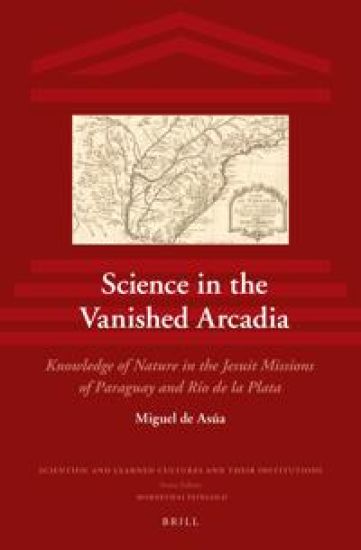
Science in the Vanished Arcadia

Science in the Vanished Arcadia

Miguel de Asúa

Brill
2014
Sidottu
In Science in the Vanished Miguel de Asúa provides the first modern comprehensive account of Jesuit science in the missions of Paraguay and the River Plate region during the 17th and 18th centuries. Focusing on individual Jesuits and underlining the relationships of their work to the religious goals of the Society of Jesus, the book covers the disciplines of natural history, cartography, medical botany, astronomy and the topics pursued by the former missionaries in their Italian exile. Based on many so far unexplored manuscripts and a vast corpus of primary sources, the book argues the existence of a tradition of research on nature consistent with universal Jesuit science and at the same time original in its articulation of Western learning and aboriginal lore on nature.
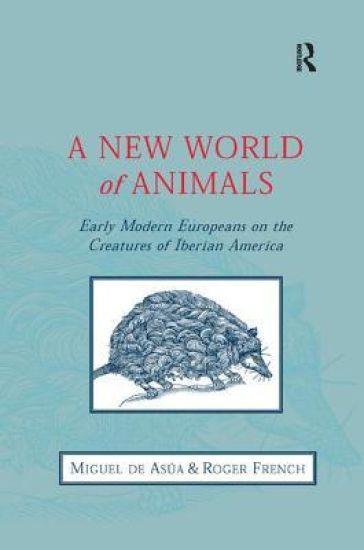
A New World of Animals

A New World of Animals

Miguel de Asúa; Roger French

Ashgate Publishing Limited
2005
sidottu
Many Early Modern Europeans who during the sixteenth and seventeenth centuries travelled to the New World left written or pictorial records of their encounters with a surprising fauna. The story told in this book is woven out of the threads of those texts and pictures. A New World of Animals shows how the initial wonder at the new beasts gave way to a more utilitarian approach, assessing their economic and medical potential. It elucidates how shifts in European perceptions brought the animals from the realm of the fantastic into the mainstream of early modern natural history, while at the same time changing the way in which Europeans saw their own world. Indeed, the chronicles and treatises of those who in the wake of the discovery arrived in the new lands tell as much about the particular interests and mental worlds of the writers as about the 'new animals'. This book traces the amazement of the first explorers and colonizers, the chronicles of soldiers and Indians, the 'natural histories of the New World', the place of animals in the network of economic interests driving the early expansion of Europe, the views of the missionaries and those of natural philosophers and physicians. Taking the reader from the Brazilian forests to the erudite cabinets of the Old World, from Patagonia to the centres of empire, the story of the discovery of the unexpected menagerie of the New World is also an exploration of Early Modern European imagination and learning.