Kirjojen hintavertailu – 12 903 725 kirjaa ja 27 kauppaa

Kirjailija

Mika Aaltola

Kirjat ja teokset yhdessä paikassa: 12 kirjaa, julkaisuja vuosilta 2011–2026, suosituimpiin kuuluu Democratic Vulnerability and Autocratic Meddling. Vertaile teosten hintoja ja tarkista saatavuus suomalaisista kirjakaupoista.

12 kirjaa

Kirjojen julkaisuvuodet: 2011–2026.

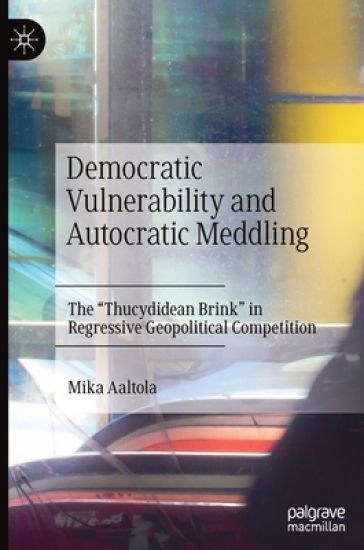
Democratic Vulnerability and Autocratic Meddling

Democratic Vulnerability and Autocratic Meddling

Mika Aaltola

Springer Nature Switzerland AG
2020
sidottu
This book investigates complex regressive dynamics in contemporary Western democracies. They include not only severe polarization in domestic politics, but also efforts by external autocratic powers to co-opt the increasingly digitalized political processes in the West. The discussion on democratic vulnerability and regression has rarely been historically and theoretically reflective. The aim is to fill this relative void by drawing on classical sources to inform about the political anxieties and agitations of our present time as the Western world moves towards new critical elections. The key concept of the analysis, a Thucydidean brink, refers to a critical point where the attraction felt towards an outside geopolitical competitor becomes stronger than the political affinity felt towards one’s domestic political opponent. As political polarization, societal decomposition and the collusive tendencies grow in strength, political factions and political candidates in western societiescan be(come) drawn to autocratic actors. Perhaps most alarmingly, the resulting nexus between democracies and autocracies can further intensify mutual regression and form downwards-sloping spirals that are not ultimately under any strategic control. This book draws from the experiences of recent elections in major Western democracies to illustrate the widening and deepening underlying regressive tendency.
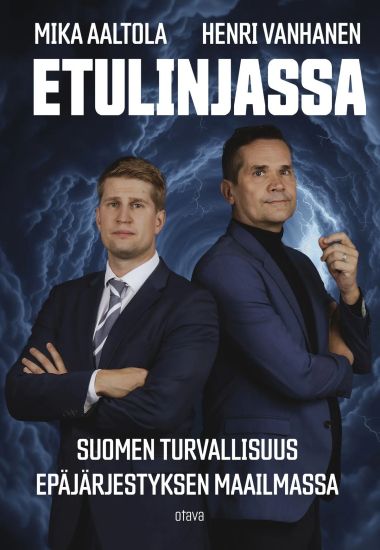
Etulinjassa

Etulinjassa

Mika Aaltola; Henri Vanhanen

Otava
2026
sidottu
Näkemyksellinen kirja Suomen ulko- ja turvallisuuspolitiikan tulevaisuudesta. Muuttuvassa ja epävarmassa maailmassa Suomen on turvattava asemansa, taloutensa ja koskemattomuutensa entistä taitavammin eteenpäin katsovalla ulko- ja turvallisuuspolitiikalla. Osana läntistä blokkia Suomi tarvitsee uuden kestävän peruskallion ulko- ja turvallisuuspolitiikalleen. Kirjoittajat kuvaavat Suomea ympäröiviä uhkia ja haasteita, kuten Yhdysvaltojen horjuvaa roolia, globaalien voimasuhteiden murrosta sekä Kiinan nousua ja Venäjän imperialismin paluuta. Suomen on vastattava haasteisiin realismilla, aktiivisuudella ja yhteistyöllä - ne ovat edellytys turvalliselle tulevaisuudelle.
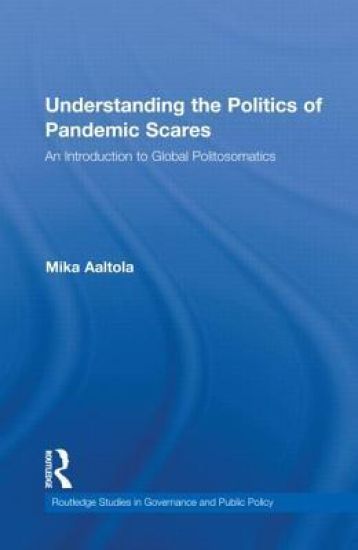
Understanding the Politics of Pandemic Scares

Understanding the Politics of Pandemic Scares

Mika Aaltola

TAYLOR FRANCIS LTD
2024
nidottu
Reactions to pandemics are unlike any other global emergency; with an emphasis on withdrawal and containment of the sight of the infected. Dealing with the historical and conceptual background of diseases in politics and international relations, this volume investigates the global political reaction to pandemic scares. By evaluating anxiety and the political response to pandemics as a legitimisation of the modern state and its ability to protect its citizens from infectious disease, Understanding the Politics of Pandemic Scares examines the connection between international health governance and the emerging Western liberal world order. The case studies, including SARS, Bird Flu and Swine Flu, provide an understanding of how the world order, global health governance and people’s bodies interact to produce scares and panics. Aaltola introduces an innovative new concept of ‘politosomatics’ based on the relationship that links individual stress, strain, and fear with global circulations of power to evaluate increasingly global bio-political environments in which pandemics exist. This book will be of interest to students and researchers of International Relations, Global Health, International Public Health and Global Health governance.
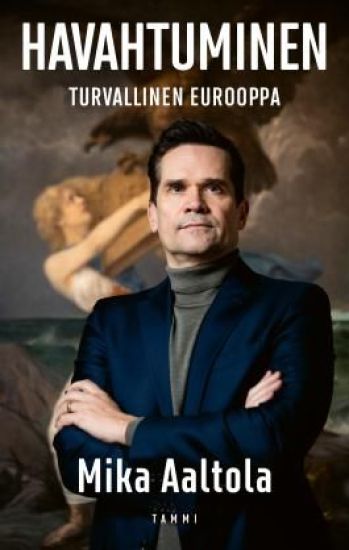
Havahtuminen - Turvallinen Eurooppa

Havahtuminen - Turvallinen Eurooppa

Mika Aaltola

Tammi
2023
sidottu

Halvin toimitettuna 11,90 €

Suomi ja Eurooppa geopolitiikan uudella aikakaudella. Ukrainan sodan myötä geopoliittiset jännitteet ja konfliktit ovat palanneet Eurooppaan. Uudessa todellisuudessa Venäjä on Suomen ainoa geopoliittinen uhka. Turvallisuusympäristömme muutokseen on havahduttava, sillä sen varaan rakennetaan maamme tulevaisuus. Kansallinen turvallisuus vaatii Suomelta satsauksia Hangosta Jäämerelle ja kirkasta näkemystä niin maan omasta suunnasta kuin sen kansainvälisestä roolista koko Euroopan turvallisuuden vahvistamisessa. Vastaisuudessa Suomen ja Venäjän rajalla korostuu pelotteen merkitys. Ahvenanmaalta Pohjanlahden kautta Ruotsiin ja Norjaan Suomi on puolustuksellisesti kiinni lännessä ja geostrategisesti avainasemassa Kuolan niemimaalta Pietarin porteille, Suomenlahden kapeikkoon ja Itämerelle asti. Vakauden ylläpito lähialueillamme edellyttää reagoimista myös muihin aikamme haasteisiin. Mika Aaltola korostaa päiväkirjamerkinnöissään, miten tärkeää demokratian lujittaminen on silloin, kun poliittinen keskustelu kärjistyy, ilmasto- ja energiauhat nousevat ja globaali järjestys horjuu. Suomi ja Pohjola on pidettävä suojassa, vakauden saarekkeena yhä epävarmemmalla aikakaudella. Mika Aaltola on Ulkopoliittisen instituutin johtaja ja politiikantutkija, joka on perehtynyt erityisesti Yhdysvaltojen sisä- ja ulkopolitiikkaan, suurvaltapolitiikkaan sekä Suomen ulko- ja turvallisuuspolitiikkaan.
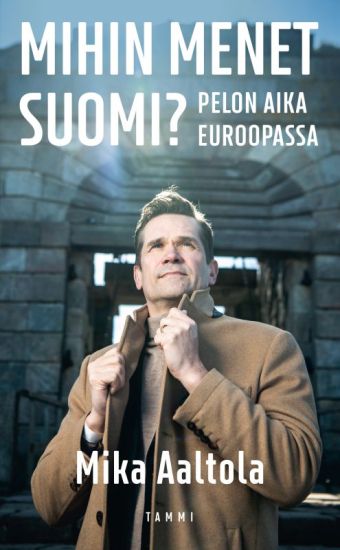
Mihin menet Suomi?

Mihin menet Suomi?

Mika Aaltola

Tammi
2023
pokkari

Halvin toimitettuna 7,90 €

Tärkeä ajankohtainen puheenvuoro Venäjän hyökkäyksestä Ukrainaan sekä Euroopan ja erityisesti Suomen ja Pohjolan turvallisuustilanteesta. Venäjän hyökkäys Ukrainaan 24.2.2022 järisytti koko Eurooppaa ja käänsi hetkessä Suomenkin ulko- ja turvallisuuspoliittisen toimintaympäristön aivan uuteen asentoon. Aiemmin poliittisesti liki mahdottomalta näyttänyt Nato-jäsenyys on toteutumassa niin Suomen kuin Ruotsinkin osalta. Ulkopoliittisen instituutin johtaja Mika Aaltola valottaa kirjassaan tilanteen taustoja sekä Suomen turvallisuuspoliittisia näköaloja ja lähitulevaisuuden toimintavaihtoehtoja Ukrainan, Euroopan, Naton ja läntisen maailman kamppaillessa Venäjän hyökkäyssodan yleisen haasteen alla. Aaltolan päiväkirjamerkinnöille pohjautuva teos seuraa geopoliittisen dynamiikan, Venäjän kasvavan uhan ja sittemmin presidentti Putinin aloittaman sodan tilanteiden kehitystä ja laajempia vaikutuksia kesäkuusta 2021 heinäkuuhun 2022 asti yhdistäen tilanneseurannan kiihkottomaan ja informatiiviseen tausta-analyysiin ja tulevaisuuden skenaarioiden pohdintaan. Näin kirja tarjoaa Suomen ja Euroopan turvallisuustilanteesta huolestuneelle lukijalle perusteltuja asiantuntijanäkemyksiä uhkaavan ja pelottavan tilanteen ymmärtämiseen ja pyrkii vastaamaan kysymykseen, miten Suomen turvallisuus parhaiten taataan nyt ja tulevaisuudessa. Mika Aaltola on Ulkopoliittisen instituutin johtaja ja politiikantutkija, joka on perehtynyt erityisesti Yhdysvaltojen sisä- ja ulkopolitiikkaan, suurvaltapolitiikkaan sekä Suomen ulko- ja turvallisuuspolitiikkaan.
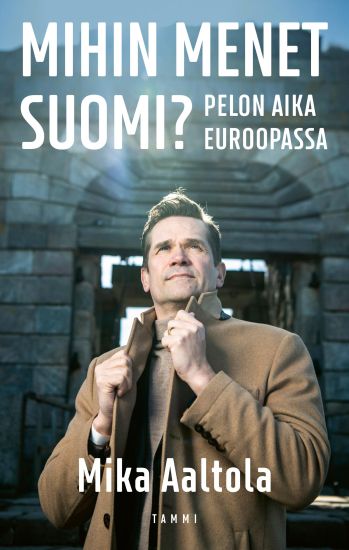
Mihin menet Suomi?

Mihin menet Suomi?

Mika Aaltola

Tammi
2022
sidottu

Halvin toimitettuna 30,70 €

Ulkopoliittisen instituutin johtaja, politiikantutkija Mika Aaltola kirjoittaa kiinnostavalla otteella Euroopan, Suomen ja Pohjolan turvallisuusnäkymistä. Mihin menet Suomi? -teos perkaa turvallisuustilanteen kehittymistä, nykytilaa ja tulevaisuutta tarjoten vastauksia polttavan ajankohtaisiin kysymyksiin. Tutustu tästä lukunäytteeseen Tärkeä ajankohtainen puheenvuoro Venäjän hyökkäyksestä Ukrainaan sekä Euroopan ja erityisesti Suomen ja Pohjolan turvallisuustilanteesta. Venäjän hyökkäys Ukrainaan 24.2.2022 järisytti koko Eurooppaa ja käänsi hetkessä Suomenkin ulko- ja turvallisuuspoliittisen toimintaympäristön aivan uuteen asentoon. Aiemmin poliittisesti liki mahdottomalta näyttänyt Nato-jäsenyys on toteutumassa niin Suomen kuin Ruotsinkin osalta. Ulkopoliittisen instituutin johtaja Mika Aaltola valottaa kirjassaan tilanteen taustoja sekä Suomen turvallisuuspoliittisia näköaloja ja lähitulevaisuuden toimintavaihtoehtoja Ukrainan, Euroopan, Naton ja läntisen maailman kamppaillessa Venäjän hyökkäyssodan yleisen haasteen alla. Aaltolan päiväkirjamerkinnöille pohjautuva teos seuraa geopoliittisen dynamiikan, Venäjän kasvavan uhan ja sittemmin presidentti Putinin aloittaman sodan tilanteiden kehitystä ja laajempia vaikutuksia kesäkuusta 2021 heinäkuuhun 2022 asti yhdistäen tilanneseurannan kiihkottomaan ja informatiiviseen tausta-analyysiin ja tulevaisuuden skenaarioiden pohdintaan. Näin kirja tarjoaa Suomen ja Euroopan turvallisuustilanteesta huolestuneelle lukijalle perusteltuja asiantuntijanäkemyksiä uhkaavan ja pelottavan tilanteen ymmärtämiseen ja pyrkii vastaamaan kysymykseen, miten Suomen turvallisuus parhaiten taataan nyt ja tulevaisuudessa. Mika Aaltola on Ulkopoliittisen instituutin johtaja ja politiikantutkija, joka on perehtynyt erityisesti Yhdysvaltojen sisä- ja ulkopolitiikkaan, suurvaltapolitiikkaan sekä Suomen ulko- ja turvallisuuspolitiikkaan.
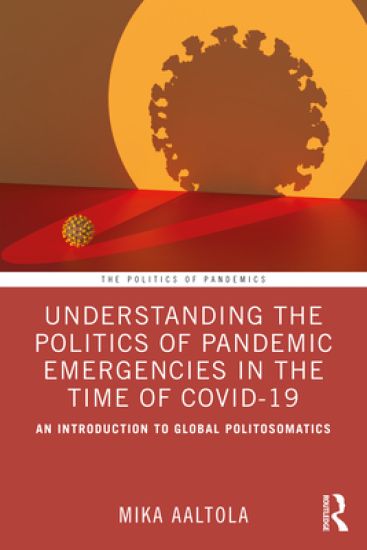
Understanding the Politics of Pandemic Emergencies in the time of COVID-19
This book reviews the political significance of COVID-19 in the context of earlier pandemic encounters and scares to understand the ways in which it challenges the existing individual health, domestic order, international health governance actors, and, more fundamentally, the circulation-based modus operandi of the present world order. It argues that contagious diseases should be regarded as complex open-ended phenomena with various features and are not reducible merely to biology and epidemiology. They are, as such, fundamentally politosomatic, namely that they disrupt, agitate, and trigger large-scale processes because individual somatic-level anxieties stem from individuals’ sensing immediate danger through the networks of their local and global connectedness. The author further argues that pandemics have somatic effects in political expressions that transform the epidemic into national security dramas which should not, for the sake of efficient health governance, be treated as aspects extraneous to the disease itself. The book highlights that when a serious infectious disease spreads, a 'threat' is very often externalized into a culturally meaningful 'foreign' entity. Pandemics tend to be territorialized, nationalized, ethnicized, and racialized. This book will be of key interest to scholars and students of global health and governance, pandemic security, epidemics, history of medicine, geopolitics, international relations, and general readers interested in the COVID-19 pandemic.
Understanding the Politics of Pandemic Emergencies in the time of COVID-19
This book reviews the political significance of COVID-19 in the context of earlier pandemic encounters and scares to understand the ways in which it challenges the existing individual health, domestic order, international health governance actors, and, more fundamentally, the circulation-based modus operandi of the present world order. It argues that contagious diseases should be regarded as complex open-ended phenomena with various features and are not reducible merely to biology and epidemiology. They are, as such, fundamentally politosomatic, namely that they disrupt, agitate, and trigger large-scale processes because individual somatic-level anxieties stem from individuals’ sensing immediate danger through the networks of their local and global connectedness. The author further argues that pandemics have somatic effects in political expressions that transform the epidemic into national security dramas which should not, for the sake of efficient health governance, be treated as aspects extraneous to the disease itself. The book highlights that when a serious infectious disease spreads, a 'threat' is very often externalized into a culturally meaningful 'foreign' entity. Pandemics tend to be territorialized, nationalized, ethnicized, and racialized. This book will be of key interest to scholars and students of global health and governance, pandemic security, epidemics, history of medicine, geopolitics, international relations, and general readers interested in the COVID-19 pandemic.
Democratic Vulnerability and Autocratic Meddling

Democratic Vulnerability and Autocratic Meddling

Mika Aaltola

Springer Nature Switzerland AG
2021
nidottu
This book investigates complex regressive dynamics in contemporary Western democracies. They include not only severe polarization in domestic politics, but also efforts by external autocratic powers to co-opt the increasingly digitalized political processes in the West. The discussion on democratic vulnerability and regression has rarely been historically and theoretically reflective. The aim is to fill this relative void by drawing on classical sources to inform about the political anxieties and agitations of our present time as the Western world moves towards new critical elections. The key concept of the analysis, a Thucydidean brink, refers to a critical point where the attraction felt towards an outside geopolitical competitor becomes stronger than the political affinity felt towards one’s domestic political opponent. As political polarization, societal decomposition and the collusive tendencies grow in strength, political factions and political candidates in western societiescan be(come) drawn to autocratic actors. Perhaps most alarmingly, the resulting nexus between democracies and autocracies can further intensify mutual regression and form downwards-sloping spirals that are not ultimately under any strategic control. This book draws from the experiences of recent elections in major Western democracies to illustrate the widening and deepening underlying regressive tendency.
The Challenge of Global Commons and Flows for US Power

The Challenge of Global Commons and Flows for US Power

Mika Aaltola; Juha Käpylä

Routledge
2016
nidottu
Global commons are domains that fall outside the direct jurisdiction of sovereign states - the high seas, air, space, and most recently man-made cyberspace - and thus should be usable by anyone. These domains, even if outside the direct responsibility and governance of sovereign entities, are of crucial interest for the contemporary world order. This book elaborates a practice-based approach to the global commons and flows to examine critically the evolving geopolitical strategy and vision of United States. The study starts with the observation that the nature of US power is evolving increasingly towards the recognition that command over the flows of global interdependence is a central dimension of national power. The study then highlights the emerging security and governance of these flows. In this context, the flows and the underlying global critical infrastructure are emerging as objects of high-level strategic importance. The book pays special attention to one of the least recognized but perhaps most fundamental challenges related to the global commons, namely the conceptual and practical challenge of inter-domain relationships-between maritime, air, space, and cyber-flows that bring about not only opportunities but also new vulnerabilities. These complexities cannot be understood through technological means alone but rather the issues need to be clarified by bringing in the human domain of security.
The Challenge of Global Commons and Flows for US Power

The Challenge of Global Commons and Flows for US Power

Mika Aaltola; Juha Käpylä

Ashgate Publishing Limited
2014
sidottu
Global commons are domains that fall outside the direct jurisdiction of sovereign states - the high seas, air, space, and most recently man-made cyberspace - and thus should be usable by anyone. These domains, even if outside the direct responsibility and governance of sovereign entities, are of crucial interest for the contemporary world order. This book elaborates a practice-based approach to the global commons and flows to examine critically the evolving geopolitical strategy and vision of United States. The study starts with the observation that the nature of US power is evolving increasingly towards the recognition that command over the flows of global interdependence is a central dimension of national power. The study then highlights the emerging security and governance of these flows. In this context, the flows and the underlying global critical infrastructure are emerging as objects of high-level strategic importance. The book pays special attention to one of the least recognized but perhaps most fundamental challenges related to the global commons, namely the conceptual and practical challenge of inter-domain relationships-between maritime, air, space, and cyber-flows that bring about not only opportunities but also new vulnerabilities. These complexities cannot be understood through technological means alone but rather the issues need to be clarified by bringing in the human domain of security.
Understanding the Politics of Pandemic Scares
Reactions to pandemics are unlike any other global emergency; with an emphasis on withdrawal and containment of the sight of the infected. Dealing with the historical and conceptual background of diseases in politics and international relations, this volume investigates the global political reaction to pandemic scares. By evaluating anxiety and the political response to pandemics as a legitimisation of the modern state and its ability to protect its citizens from infectious disease, Understanding the Politics of Pandemic Scares examines the connection between international health governance and the emerging Western liberal world order. The case studies, including SARS, Bird Flu and Swine Flu, provide an understanding of how the world order, global health governance and people’s bodies interact to produce scares and panics. Aaltola introduces an innovative new concept of ‘politosomatics’ based on the relationship that links individual stress, strain, and fear with global circulations of power to evaluate increasingly global bio-political environments in which pandemics exist. This book will be of interest to students and researchers of International Relations, Global Health, International Public Health and Global Health governance.