Kirjojen hintavertailu – 12 903 724 kirjaa ja 27 kauppaa

Kirjailija

Mike Abrams

Kirjat ja teokset yhdessä paikassa: 5 kirjaa, julkaisuja vuosilta 2008–2025, suosituimpiin kuuluu Sexuality. Vertaile teosten hintoja ja tarkista saatavuus suomalaisista kirjakaupoista.

5 kirjaa

Kirjojen julkaisuvuodet: 2008–2025.

Sexuality

Sexuality

Mike Abrams; Marija Milisavljevic Grdinic

Cognella, Inc
2025
pokkari
This textbook investigates sexuality beyond its biological basis and day-to-day manifestations, delving deep into the integral role it plays in human identity, social interactions, and behavior. It presents a comprehensive exploration of sexuality and its manifestations through the lens of evolutionary theory. This study of sexuality is not solely restricted to acts of sex but treated as an overarching force influencing all aspects of life.
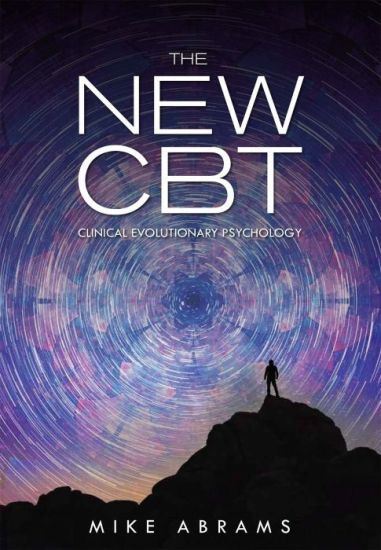
The New CBT

The New CBT

Mike Abrams

Cognella, Inc
2020
nidottu
Filling a void in the clinical literature, The New CBT: Clinical Evolutionary Psychology integrates new techniques of cognitive behavioral therapy (CBT) with evidence-based evolutionary psychology and behavioral genetics. The text addresses the need for clinicians to be conversant with the burgeoning research that has linked evolutionary and genetic processes to psychological problems. This text makes these essential elements accessible to both clinicians and their clients so they can develop a deeper understanding of crucial clinical topics, such as emotional feelings, cognition, and behavioral change. The New CBT explains the processes of the mind and provides solutions to many of the problems that arise when these processes lead to dysfunction or distress. The text reviews how the application of evolutionary psychology and behavioral genetics provides both etiological insights and novel treatments for each of the major psychological disorders. Readers are offered evidenced-based explanations of how evolution and genetics can pragmatically resolve the enduring problem of nature versus nurture. Additionally, they come to understand how eons of environmental changes have guided the way people deal with distress, perceive their environment, and judge others as well as themselves. By viewing both normative and problematic behavior through an evolutionary lens, readers gain new perspectives in applying CBT that are thoroughly modern, effective, and take into consideration cutting-edge research. The New CBT is an ideal text for upper-division courses in psychology, psychotherapy, and psychopathology, especially those with an emphasis on CBT. It is also an excellent resource for practicing clinicians who wish to update or reframe their understanding and use of CBT, evolutionary psychology, or behavioral genetics.
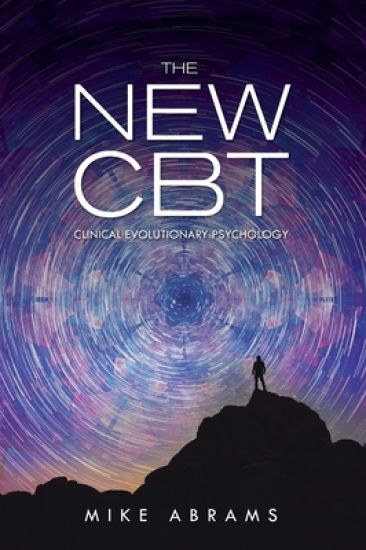
New CBT: Clinical Evolutionary Psychology

New CBT: Clinical Evolutionary Psychology

Mike Abrams

Cognella Academic Publishing
2020
sidottu
Filling a void in the clinical literature, The New CBT: Clinical Evolutionary Psychology integrates new techniques of cognitive behavioral therapy (CBT) with evidence-based evolutionary psychology and behavioral genetics. The text addresses the need for clinicians to be conversant with the burgeoning research that has linked evolutionary and genetic processes to psychological problems. This text makes these essential elements accessible to both clinicians and their clients so they can develop a deeper understanding of crucial clinical topics, such as emotional feelings, cognition, and behavioral change. The New CBT explains the processes of the mind and provides solutions to many of the problems that arise when these processes lead to dysfunction or distress. The text reviews how the application of evolutionary psychology and behavioral genetics provides both etiological insights and novel treatments for each of the major psychological disorders. Readers are offered evidenced-based explanations of how evolution and genetics can pragmatically resolve the enduring problem of nature versus nurture. Additionally, they come to understand how eons of environmental changes have guided the way people deal with distress, perceive their environment, and judge others as well as themselves. By viewing both normative and problematic behavior through an evolutionary lens, readers gain new perspectives in applying CBT that are thoroughly modern, effective, and take into consideration cutting-edge research. The New CBT is an ideal text for upper-division courses in psychology, psychotherapy, and psychopathology, especially those with an emphasis on CBT. It is also an excellent resource for practicing clinicians who wish to update or reframe their understanding and use of CBT, evolutionary psychology, or behavioral genetics. Mike Abrams is a practicing psychologist and clinical researcher with a specialty in cognitive behavioral therapy. He is an adjunct full professor in the M. A. program in psychology at New York University and Managing partner of Psychology for New Jersey, LLC a clinical research corporation. He is a board-certified diplomate of the American Board of Professional Psychology and a supervisor, fellow, and diplomate of the Albert Ellis Institute. Dr. Abrams studied and worked closely with Dr. Albert Ellis, with whom he published several books, chapters, and articles on REBT and CBT. Dr. Abrams has also authored four other books on psychology and has practiced or taught professional psychology for more than thirty years. His research into the evolutionary basis of sexual and trauma disorders led the publication along with David Buss of the first clinical protocol combining evolutionary psychology and CBT.

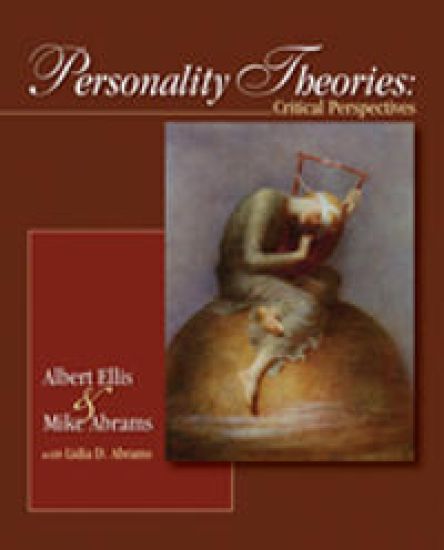
Personality Theories

Personality Theories

Albert Ellis; Mike Abrams; Lidia Dengelegi Abrams

SAGE Publications Inc
2008
nidottu
Personality Theories: Critical Perspectives is the groundbreaking, final text written by Albert Ellis, long considered the founder of cognitive behavioral therapies. The book provides students with supporting and contradictory evidence for the development of personality theories through time. Without condemning the founding theorists who came before him, Ellis builds on more than a century of psychological research to re-examine the theories of Freud, Jung, and Adler while taking an equally critical look at modern, research-based theories, including his own. Features and Benefits: Helps students develop the scientific thinking required to evaluate current and forthcoming theories Encourages the reader to re-examine preexisting theories Provides the missing link between previously disparate disciplines of abnormal and normal personality theories, a feature especially important to students in graduate clinical programs Prepares the upper-level student for the growing trend in clinical programs to link human behavior, personality, and psychopathology to the neurological substrates Encourages more focus on relevant theories than on the biographies of those who developed them Intended Audience: This enlightening text will provide insight into personality theory for students in courses on personality. It should be required reading for upper-level undergraduate and graduate courses in psychology, counseling, and social work.
Personality Theories

Personality Theories

Albert Ellis; Mike Abrams; Lidia Dengelegi Abrams

SAGE Publications Inc
2008
sidottu
Personality Theories: Critical Perspectives is the groundbreaking, final text written by Albert Ellis, long considered the founder of cognitive behavioral therapies. The book provides students with supporting and contradictory evidence for the development of personality theories through time. Without condemning the founding theorists who came before him, Ellis builds on more than a century of psychological research to re-examine the theories of Freud, Jung, and Adler while taking an equally critical look at modern, research-based theories, including his own. Features and Benefits: Helps students develop the scientific thinking required to evaluate current and forthcoming theories Encourages the reader to re-examine preexisting theories Provides the missing link between previously disparate disciplines of abnormal and normal personality theories, a feature especially important to students in graduate clinical programs Prepares the upper-level student for the growing trend in clinical programs to link human behavior, personality, and psychopathology to the neurological substrates Encourages more focus on relevant theories than on the biographies of those who developed them Intended Audience: This enlightening text will provide insight into personality theory for students in courses on personality. It should be required reading for upper-level undergraduate and graduate courses in psychology, counseling, and social work.