Kirjojen hintavertailu – 12 903 725 kirjaa ja 27 kauppaa

Kirjailija

Mike Tapia

Kirjat ja teokset yhdessä paikassa: 5 kirjaa, julkaisuja vuosilta 2017–2020, suosituimpiin kuuluu Paratrooper to Preacher: The story of one ordinary man, serving an extraordinary God.. Vertaile teosten hintoja ja tarkista saatavuus suomalaisista kirjakaupoista.

5 kirjaa

Kirjojen julkaisuvuodet: 2017–2020.

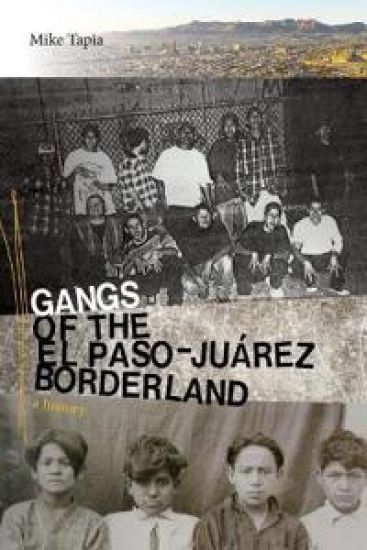
Gangs of the El Paso–Juárez Borderland

Gangs of the El Paso–Juárez Borderland

Mike Tapia

University of New Mexico Press
2020
nidottu
This thought-provoking book examines gang history in the region encompassing West Texas, Southern New Mexico, and Northern Chihuahua, Mexico. Known as the El Paso-Juarez borderland region, the area contains more than three million people spanning 130 miles from east to west. From the badlands -the historically notorious eastern Valle de Juarez - to the Puerto Palomas port of entry at Columbus, New Mexico, this area has become more militarized and politicized than ever before. Mike Tapia examines this region by exploring a century of historical developments through a criminological lens and by studying the diverse subcultures on both sides of the law. Tapia looks extensively at the role of history and geography on criminal subculture formation in the binational urban setting of El Paso-Juarez, demonstrating the region's unique context for criminogenic processes. He provides a poignant case study of Homeland Security and the apparent lack of drug-war spillover in communities on the US-Mexico border.
Gangs of the El Paso-Juarez Borderland

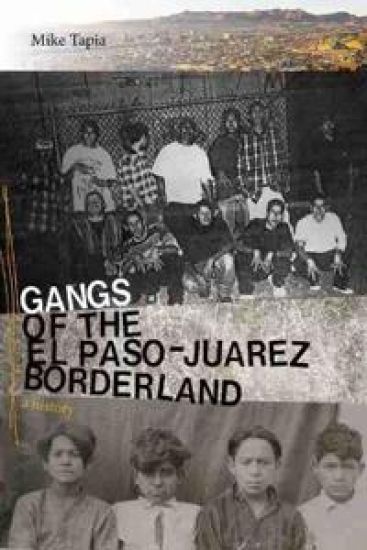
Gangs of the El Paso-Juarez Borderland

Mike Tapia

University of New Mexico Press
2019
sidottu
This thought-provoking book examines gang history in the region encompassing West Texas, Southern New Mexico, and Northern Chihuahua, Mexico. Known as the El Paso-Juarez borderland region, the area contains more than three million people spanning 130 miles from east to west. From the badlands--the historically notorious eastern Valle de Juarez--to the Puerto Palomas port of entry at Columbus, New Mexico, this area has become more militarized and politicized than ever before. Mike Tapia examines this region by exploring a century of historical developments through a criminological lens and by studying the diverse subcultures on both sides of the law. Tapia looks extensively at the role of history and geography on criminal subculture formation in the binational urban Setting of El Paso-Juarez, demonstrating the region's unique context for criminogenic processes. He provides a poignant case study of Homeland Security and the apparent lack of drug war spillover in communities on the US-Mexico border.

Paratrooper to Preacher: The story of one ordinary man, serving an extraordinary God.

Paratrooper to Preacher: The story of one ordinary man, serving an extraordinary God.

Mike Tapia; John Lee

Createspace Independent Publishing Platform
2018
nidottu
An amazing story of an ordinary man in the hands of an extraordinary God. God is looking for those who are willing of heart to be used for His honor and Glory. These are the memoirs of John Lee, an ordinary man with a willing heart. In it we see the marvelous workings of The Master Craftsman as he molds and shapes a vessel that is sincere and ready for His use. The passion and sincere desire of a 9-year-old boy to preach the Gospel comes to realization at a small military outpost in the Tangi Valley, the heart of the Taliban, during the war on terrorism. Filled with examples of God's grace and guiding hand, each chapter closes with an applied devotion that will encourage the reader to march on and continue the good fight of faith, knowing that God can and does use the ordinary to accomplish His extraordinary will.
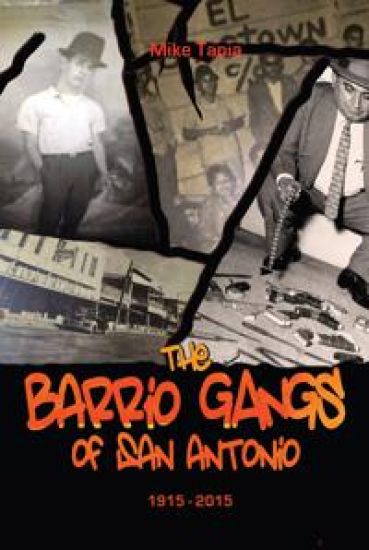
The Barrio Gangs of San Antonio, 1915-2015

The Barrio Gangs of San Antonio, 1915-2015

Mike Tapia

Texas Christian University Press,U.S.
2017
nidottu
Barrio Gangs is the most comprehensive academic case study of barrio group dynamics in a major Texas city to date. This is a sociological work on the history of barrio gangs in San Antonio and other large Texas cities to the present day. It examines the century-long evolution of urban barrio subcultures using public archives, oral histories, old photos, and other forms of qualitative data. The study gives special attention to the barrio gangs’ “heyday,” from the 1940s through the 1960s, comparing their attributes to those of modern groups. It illustrates how social and technological changes have affected barrio networking processes and the intensity of the street lifestyle over time. Intergenerational shifts and the tension that accompanies such changes are also central themes in the book. Few other places are so conducive to such historical exploration as is San Antonio. Street ignobility in the barrio no doubt mirrors processes found in other Chicano communities in Texas and the Southwest. The gang contexts in major Chicano population centers have lengthy historical bases rooted in weak opportunity structures, oppression, and discrimination. This work shows that participation in street violence, drug selling, and other parts of the informal economy are functional adaptations to the social structure; the forces propelling the formation of barrio gangs are not temporary social phenomena.
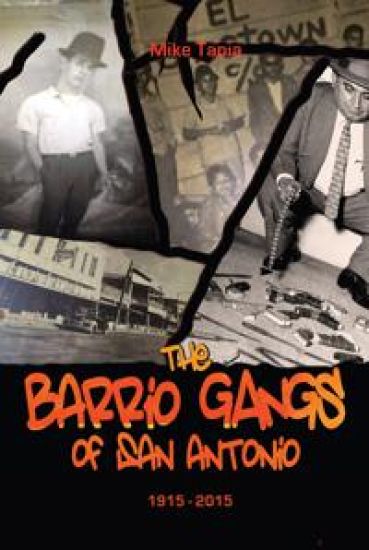
The Barrio Gangs of San Antonio, 1915-2015

The Barrio Gangs of San Antonio, 1915-2015

Mike Tapia

Texas Christian University Press,U.S.
2017
sidottu
Barrio Gangs is the most comprehensive academic case study of barrio group dynamics in a major Texas city to date. This is a sociological work on the history of barrio gangs in San Antonio and other large Texas cities to the present day. It examines the century-long evolution of urban barrio subcultures using public archives, oral histories, old photos, and other forms of qualitative data. The study gives special attention to the barrio gangs’ “heyday,” from the 1940s through the 1960s, comparing their attributes to those of modern groups. It illustrates how social and technological changes have affected barrio networking processes and the intensity of the street lifestyle over time. Intergenerational shifts and the tension that accompanies such changes are also central themes in the book. Few other places are so conducive to such historical exploration as is San Antonio. Street ignobility in the barrio no doubt mirrors processes found in other Chicano communities in Texas and the Southwest. The gang contexts in major Chicano population centers have lengthy historical bases rooted in weak opportunity structures, oppression, and discrimination. This work shows that participation in street violence, drug selling, and other parts of the informal economy are functional adaptations to the social structure; the forces propelling the formation of barrio gangs are not temporary social phenomena.