
Kirjailija
Mikhail Bulgakov
Kirjat ja teokset yhdessä paikassa: 266 kirjaa, julkaisuja vuosilta 1991–2026, suosituimpiin kuuluu A Young Doctor's Notebook (Khaterat-e Pezeshk-e Javan). Vertaile teosten hintoja ja tarkista saatavuus suomalaisista kirjakaupoista.
266 kirjaa
Kirjojen julkaisuvuodet: 1991–2026.
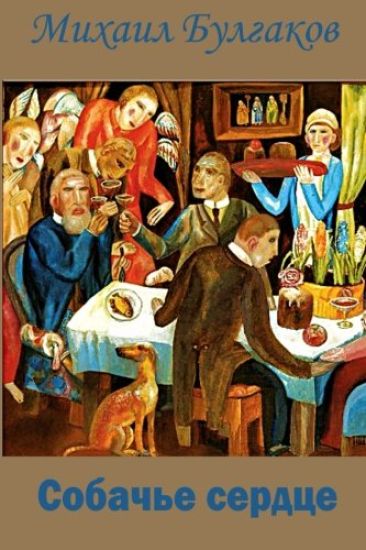
Sobach'e serdce - odno iz samyh ljubimyh chitateljami proizvedenij Mihaila Bulgakova. Ljuboe proizvedenie Bulgakova - shedevr. Sobach'e serdce ne iskljuchenie. Vas zhdjot polnyj rasskaz o neobyknovennom jeksperimente genial'nogo doktora. Svetilo mirovoj nauki, professor Filipp Filippovich spasaet ot smerti bezdomnogo psa Sharika, chtoby provesti na njom jeksperiment po vyjavleniju funkcij gipofiza. Vopreki ozhidanijam, vyjasnjaetsja: gipofiz dajot ne ozhidaemoe uchjonym omolozhenie, a polnoe ochelovechivanie. V povedenii Sharika vskore projavljajutsja cherty donora, truslivogo p'janicy i huligana Klima Chugunkina. Novaja chelovecheskaja edinica stavit kvartiru professora na ushi, projavljaja samye porochnye storony ljudskoj natury. V to zhe vremja socialisticheskaja dejstvitel'nost' s ohotoj prinimaet Poligrafa Poligrafovicha Sharikova, lish' sposobstvuja ego degradacii i potakaja porochnoj nature. V Sobach'em serdce Mihail Afanas'evich Bulgakov proilljustriroval v personazhah dve storony: vymirajushhij tip v lice obrazovannoj jelity i buntujushhij protiv nejo proletariat. Proizvedenie napolneno glubokoj ironiej i satiroj na novye vejanija, rasprostranjonnye v Rossii nachala dvadcatogo veka. S illjustracijami
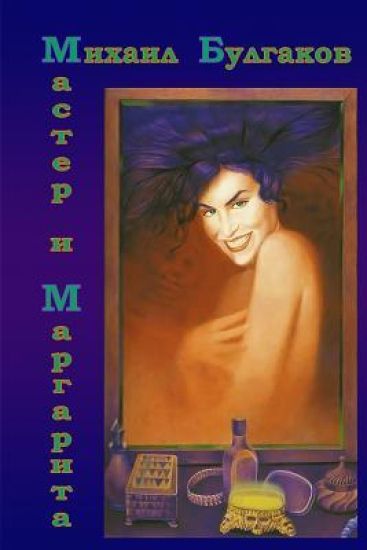
Avtor samogo znamenitogo romana XX veka MASTER I MARGARITA, a takzhe povestej SOBACHE SERDTSE i DJAVOLIADA, Mikhail Afanasevich Bulgakov proslavilsja i svoimi dramaticheskimi proizvedenijami. V nastojaschee izdanie voshli ego blistatelnye pesy ZOJKINA KVARTIRA, BAGROVYJ OSTROV, KABALA SVJATOSh i POLOUMNYJ ZHURDEN. Bez etikh proizvedenij nevozmozhno v polnoj mere otsenit ego tvorchestvo. Borba za vlast, svidetelem kotoroj byl Bulgakov, ego konflikt s kritikoj i silnymi mira sego otrazilis v ego tekstakh v smeshenii realnogo i fantasticheskogo, podlinnogo i falshivogo, sveta i tmy. V satiricheskikh komedijakh i buffonadakh zatragivalis vazhnejshie problemy zhizni sovetskogo obschestva: urodlivye cherty NEPa, vsesilie ideologicheskoj tsenzury, stolknovenie genija i vlasti. Napisannye ostro, khlestko, veselo i pravdivo, eti sochinenija Bulgakova, aktualnye vo vse vremena, prinadlezhat k luchshim stranitsam otechestvennoj literatury.
Pesa BEG v tvorchestve M. A. Bulgakova zanimaet osoboe mesto - eto proizvedenie neobychajnoj sily, pozhaluj, samoe znachitelnoe i interesnoe iz vsego dramaticheskogo nasledija pisatelja. E. S. Bulgakova vspominala: "On ljubil etu pesu, kak mat ljubit rebenka". Mezhdu tem pri zhizni avtora "Beg" tak i ne byl polnostju opublikovan, a postanovka, kotoruju gotovili vo MKHATe, byla zapreschena. Avtora obvinjali v tom, chto on iskazhaet klassovuju suschnost belogvardejskogo dvizhenija i ves smysl Grazhdanskoj vojny. V etom sochinenii Bulgakov proschalsja so staroj Rossiej, osmysljaja te strashnye sobytija, kotorye s nej proizoshli, i luchshie stranitsy pesy do segodnjashnego dnja porazhajut bolju, glubinoj i tragicheskim pafosom. Khudozhestvennyj film s odnoimennym nazvaniem, snjatyj znamenitymi rezhisserami A. Alovym i V. Naumovym, bezuslovno, prinadlezhit k vershinam otechestvennoj kinematografii. V nastojaschem izdanii predstavlena rannjaja redaktsija pesy 1926-1928 godov.
Pesa M. A. Bulgakova "Dni Turbinykh", sozdannaja na osnove znamenitogo romana "Belaja gvardija", posvjaschena perelomnomu momentu istorii Rossii - revoljutsii i Grazhdanskoj vojne, raz i navsegda izmenivshim zhizn russkoj intelligentsii. Eto sochinenie Bulgakova nazyvali "Vishnevym sadom" belogo dvizhenija, ibo s neobyknovennym teplom i sochuvstviem izobrazil pisatel belykh ofitserov, stojavshikh pered nravstvennym vyborom i pytavshikhsja razobratsja v proiskhodjaschem. Na stsene MKHATa spektakl ostavalsja v repertuare s 1926 goda po 1941-j i za eto vremja byl pokazan pochti 1000 raz. V nastojaschee izdanie voshla takzhe pesa "Aleksandr Pushkin", gde Bulgakov po-svoemu predstavljaet razvitie sobytij, privedshikh k tragicheskoj gibeli velikogo poeta.
Notes on a Cuff and Other Stories: New Translation
Mikhail Bulgakov
Alma Classics
2014
nidottu
Halvin toimitettuna 15,40 €
Begun in 1920 while Bulgakov was employed in a hospital in the remote Caucasian outpost of Vladikavkaz, and continued when he started working for a government literary department in Moscow, Notes on a Cuff is a series of journalistic sketches which show the young doctor trying to embark on a literary career among the chaos of war, disease, politics and bureaucracy. Stylistically brilliant and brimming with humour and literary allusion, Notes on a Cuff is presented here in a new translation, along with a collection of other short pieces by Bulgakov, many of them – such as ‘The Cockroach’ and ‘A Dissolute Man’ – published for the first time in the English language.
Professor Persikov, an eccentric zoologist, stumbles upon a new light ray that accelerates growth and reproduction rates in living organisms. In the wake of a plague that has decimated the country's poultry stocks, Persikov's discovery is exploited as a means to correct the problem. As foreign agents, the state and the Soviet media all seize upon the red ray, matters get out of hand... Set in 1928 but written four years earlier, during Stalin's rise to power, The Fatal Eggs is both an early piece of science fiction reminiscent of H. G. Wells and a biting, brilliant satire on the consequences of the abuse of power and knowledge.
After being saved from a suicide attempt by the appearance of a literary editor, the journalist and failed novelist Sergei Maxudov has a book suddenly accepted for stage adaptation at a prestigious venue and finds himself propelled into Moscow’s theatrical world. In a cut-throat environment tainted by Soviet politics, censorship and egomania – epitomized by the arrogant and tyrannical director Ivan Vasilyevich – mayhem gradually gives way to absurdity. Unpublished in Bulgakov’s own lifetime, Black Snow is peppered with darkly comic set pieces and draws on its author’s own bitter experience as a playwright with the Moscow Arts Theatre, showcasing his inimitable gift for shrewd observation and razor-sharp satire.
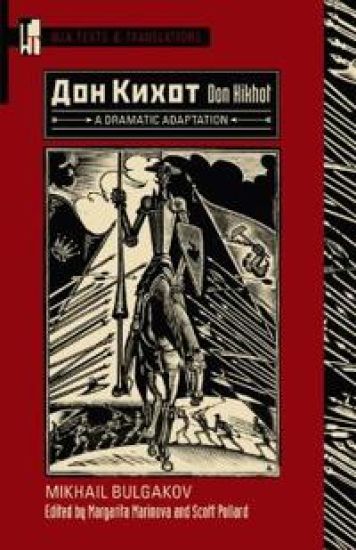
When Soviet censors approved Mikhail Bulgakov's Don Kikhot [ ], a stage adaptation of Don Quixote, they were unaware that they were sanctioning a subtle but powerful criticism of Stalinist rule. The author, whose novel Master i Margarita would eventually bring him world renown, achieved this sleight of hand through a deft interpretation of Cervantes's knight. Bulgakov's Don Quixote fits comfortably into the nineteenth-century Russian tradition of idealistic, troubled intellectuals, but Quixote's quest becomes an allegory of the artist under the strictures of Stalin's regime. Bulgakov did not live to see the play performed: it went into production in 1940, only months after his death.
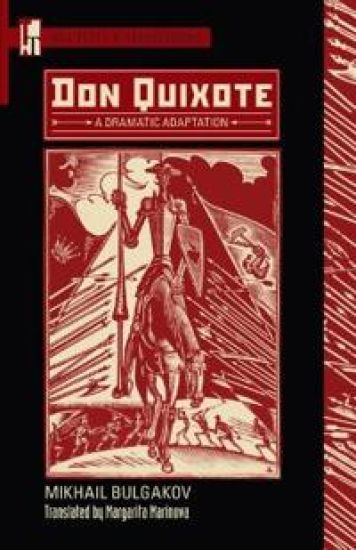
When Soviet censors approved Mikhail Bulgakov’s stage adaptation of Don Quixote, they were unaware that they were sanctioning a subtle but powerful criticism of Stalinist rule. The volume’s introduction provides background for Bulgakov’s adaptation and compares Bulgakov with Cervantes and the twentieth-century Russian work with the seventeenth century Spanish work.
Diaboliad and Other Stories is the only complete translation of his first collection of short stories, plus six of his best feuilletons from the 1920s. The targets of Bulgakov's brilliant, dark satires here include the Gogolian bureaucracy that mushroomed after the Revolution, the subjugation of science to the state, and the price to be paid when the new world of Communism clashed with the old order. Everywhere the reader will find Bulgakov's customary exuberance, brilliance, and originality, as well as the distinctive voice that was to achieve full effect in The Master and Margarita.
Russian Plays
Aleksander Pushkin; Nikolai Gogol; Mikhail Bulgakov; Fyodor Dostoevsky
Oberon Books Ltd
2011
nidottu
Includes the plays Master and Margarita (Satan’s Ball), Vanity, Gogol and Brothers KaramazovFrom original translations by Faynia Williams. Crane and Williams’ sensational Master and Margarita (Satan’s Ball) marked the beginning of a golden period when their company BrightonTheatre premiered a succession of ground-breaking new plays, which took festivals by storm and toured the world. Out of the spectacular Bulgakov, came the minimalist Gogol, a chilling evocation of Gogol’s whirling world, distilled into a nightmare for today. Then Vanity, a ‘glittering diamond of a play’, reclaimed Pushkin’s Eugene Onegin as a intimate reflection on a love mistimed and shattered by social convention. From these successes, Brighton Theatre moved onto the main Edinburgh programme with Brothers Karamazov: a leap into the dark world of epilepsy, orthodoxy and murder in the family, which won triumphant reviews and international acclaim. Published now for the first time, these four plays flourished out of a unique collaboration of author and director, which saw them progressing from fringe to mainstream, West End and Off-Broadway without changing their style, and becoming an acknowledged inspiration for many of today’s theatre artists.
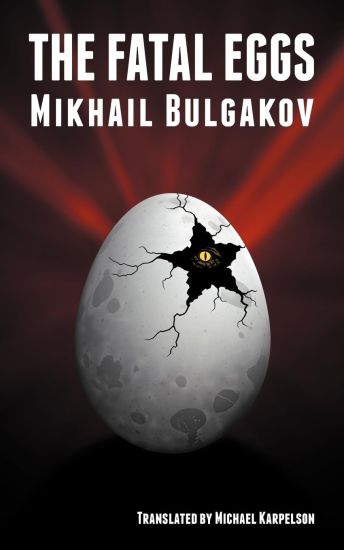
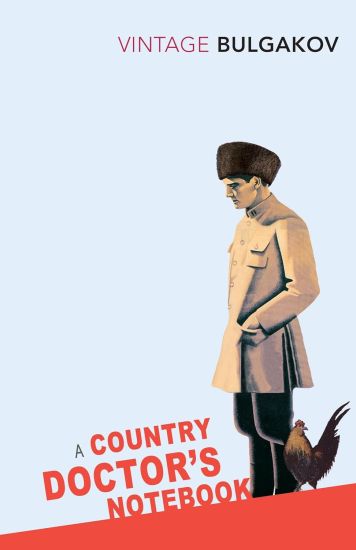
TRANSLATED BY MICHAEL GLENNYWith the ink still wet on his diploma, the twenty-five-year-old Dr Mikhail Bulgakov was flung into the depths of rural Russia which, in 1916-17, was still largely unaffected by such novelties as the motor car, the telephone or electric light.
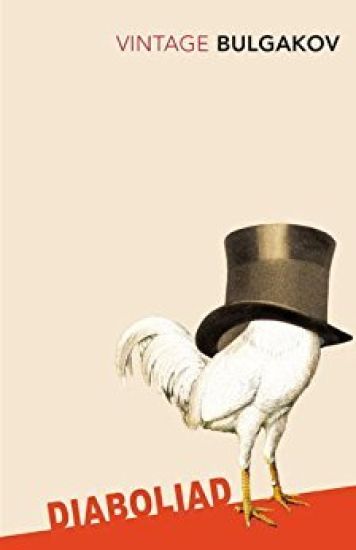
The five, irreverant, satirical and imaginative stories contained in Diaboliad caused an uproar upon the book's first publication in 1925. Full of invention, they display Bulgakov's breathtaking stylistic range, moving at dizzying speed from grotesque satire to science fiction, from the plainest realism to the most madcap fantasy.
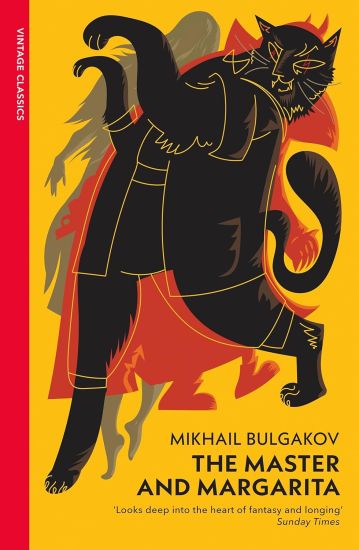
Bulgakov paints an excellent picture of Stalinâ??s regime in this allegorical masterpiece. WITH AN INTRODUCTION BY WILL SELFThe devil makes a personal appearance in Moscow accompanied by various demons, including a naked girl and a huge black cat.