Kirjojen hintavertailu – 12 859 824 kirjaa ja 27 kauppaa

Kirjailija

Mitchell Joachim

Kirjat ja teokset yhdessä paikassa: 4 kirjaa, julkaisuja vuosilta 2017–2025, suosituimpiin kuuluu Design with Life. Vertaile teosten hintoja ja tarkista saatavuus suomalaisista kirjakaupoista.

4 kirjaa

Kirjojen julkaisuvuodet: 2017–2025.

The New City

The New City

Dickson Despommier; Mitchell Joachim

Columbia University Press
2025
pokkari
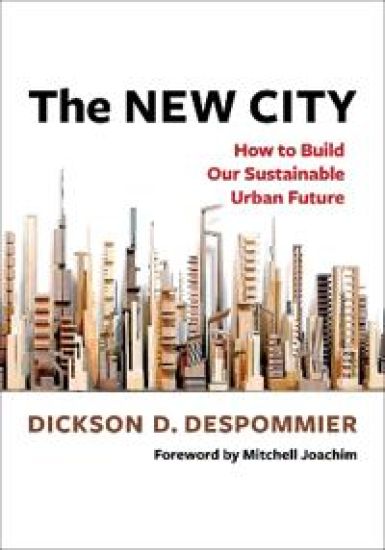
Cities are at once among humanity’s crowning achievements and core drivers of the climate crisis. Their dependence on the outside world for vital resources is causing global temperatures to rise and wildlife habitats to shrink. But we have the opportunity to make cities more sustainable by transforming the built environment. Dickson D. Despommier proposes a visionary yet achievable plan for creating a new, self-sustaining urban landscape. He argues that we can find solutions through the concept of biomimicry: emulating successful strategies found in nature. A better city is possible if we heed the lessons that forests and trees teach about how to store carbon, grow food, collect rainwater, and convert sunlight into energy. Touring established and leading-edge technologies, The New City provides a blueprint for tomorrow’s urban environment. Cities built from wood will be more resilient and less destructive than concrete and steel construction; they will also encourage reforestation, boosting carbon sequestration. Vertical farms inside city limits will supply residents with a reliable, healthy food supply. Buildings will harvest moisture from the rain and air to secure a clean water supply. Renewable energy, including not only wind, solar, and geothermal but also clear photovoltaic window glass and nonpolluting hydrogen fuel cells, will power a cleaner city. The New City delivers both a passionate call to action for halting climate change and a bold vision of the sustainable future within our grasp.
The New City

The New City

Dickson Despommier; Mitchell Joachim

Columbia University Press
2023
sidottu
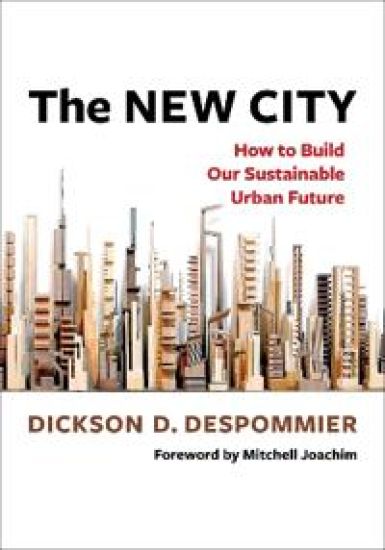
Cities are at once among humanity’s crowning achievements and core drivers of the climate crisis. Their dependence on the outside world for vital resources is causing global temperatures to rise and wildlife habitats to shrink. But we have the opportunity to make cities more sustainable by transforming the built environment. Dickson D. Despommier proposes a visionary yet achievable plan for creating a new, self-sustaining urban landscape. He argues that we can find solutions through the concept of biomimicry: emulating successful strategies found in nature. A better city is possible if we heed the lessons that forests and trees teach about how to store carbon, grow food, collect rainwater, and convert sunlight into energy. Touring established and leading-edge technologies, The New City provides a blueprint for tomorrow’s urban environment. Cities built from wood will be more resilient and less destructive than concrete and steel construction; they will also encourage reforestation, boosting carbon sequestration. Vertical farms inside city limits will supply residents with a reliable, healthy food supply. Buildings will harvest moisture from the rain and air to secure a clean water supply. Renewable energy, including not only wind, solar, and geothermal but also clear photovoltaic window glass and nonpolluting hydrogen fuel cells, will power a cleaner city. The New City delivers both a passionate call to action for halting climate change and a bold vision of the sustainable future within our grasp.
Design with Life

Design with Life

Mitchell Joachim; Maria Aiolova; Terreform One

Actar Publishers
2020
sidottu
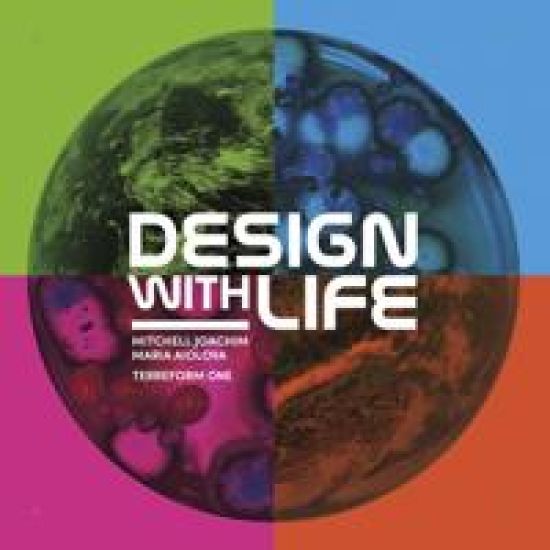
Design with Life chronicles the breakthroughs and projects of a nonprofit that is defining resolute new directions in socio-ecological design and other deep-seated intersections of synthetic biology, architecture, and urban systems. In the challenging context of accelerating climate dynamics, the core discipline of architectural design is evolving and embracing new forms of action. New York-based nonprofit Terreform ONE has established a distinctive design tactic that investigates projects through the regenerative use of natural materials, science, and the emergent field of socio-ecological design. This kind of design approach uses actual living matter (not abstracted imitations of nature) to create new functional elements and spaces. These future-based actions are not only grounded in social justice, but are also far-reaching in their application of digital manufacturing and maker culture. Terreform ONE tackles urgent environmental and urban social concerns through the integrated use of living materials and organisms.
XXL-XS

XXL-XS

Mitchell Joachim; Mike Silver

Actar Publishers
2017
pokkari
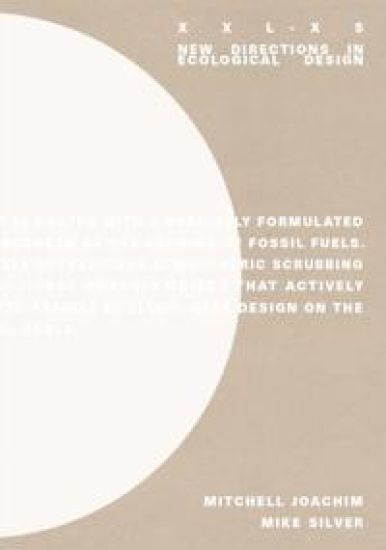
Architecture must not only be functionally green, but its formal, conceptual and physical properties also need to constitute a novel and integrated living material system, one that can flourish within the larger world around it. XXL-XS represents the emerging discipline of ecological design by assembling a wide range of innovators with diverse interests. Geo-engineering, synthetic biology, construction site co-robotics, low-energy fabrication, up-cycling waste, minimally invasive design, living materials, and molecular self-assembly are just a few of the important advances explored in the book. At one extreme are massive public works, at the other, micro to nano-sized interventions that can have equally profound impacts on our world. From terraforming to bio-manufacturing, a whole new generation of designers is proposing unique ways of confronting the difficult challenges ahead. In this way design becomes a totality of relationships that affects all disciplines, which can no-longer be thought of as self-contained fields, each handled separately by narrowly focused specialists. Globalization demands a restructuring of the profession, as we know it. This requires a new breed of generalists who can work across fields and engage research on multiple sites around the globe. Today we need planetary designers versed in the craft of integral design. Our thesis is therefore both global and performative in scope. We need an architecture that is more than just a constellation of bio-picturesque images, digitally generated surface effects, and conventional materials. We seek a holistic architecture that uses the best techniques to connect directly with existing natural systems while creating a renewed ecology that can sustain itself well into the future. Along these lines, many of the projects featured in this book simply abandon the old tropes and construction processes of the past by creating numerous green alternatives that proliferate along unexpected pathways.