Kirjojen hintavertailu – 12 859 818 kirjaa ja 27 kauppaa
Kirjailija
Miyamoto Musashi
Kirjat ja teokset yhdessä paikassa: 93 kirjaa, julkaisuja vuosilta 1982–2026, suosituimpiin kuuluu The Complete Collection on Strategy. Vertaile teosten hintoja ja tarkista saatavuus suomalaisista kirjakaupoista.
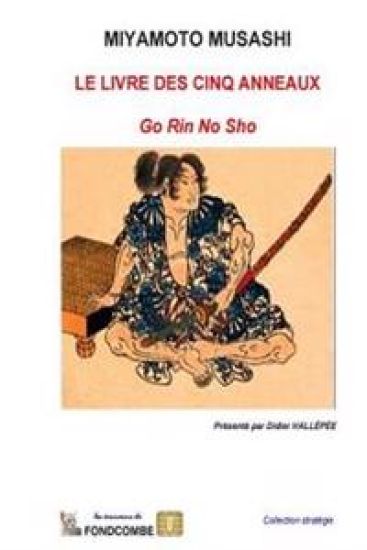
Les cinq anneaux est le manuel le plus c l bre du bushido, la Voie du Guerrier. Il d crit l'accomplissement du samoura travers la pratique du sabre long, le tashi. Mais la pratique du sabre long n'est pas seulement une question de dext rit , mais plus un tat d'esprit, une volont tendue vers le but atteindre: la victoire sur l'adversaire, et travers cela, la ma trise de soi-m me et la ma trise du monde. Pour cela, la dext rit est certes utile, mais la compr hension des forces de l'adversaire, le changement de m thode lorsque l'adversaire est coriace, l'adaptation au terrain et aux circonstances: tout cela font du guerrier un strat ge. Cette strat gie s'applique au combat singulier. Mais c'est la m me strat gie qui fait du samoura un Officier capable de mener ses troupes et d'arracher la victoire dans un combat entre arm es. Les principes que l'on trouve dans ce livre sont encore utilis s de nos jours par de grandes firmes japonaises dans le cadre des affrontements conomiques que celles-ci doivent livrer au quotidien. Musashi Miyamoto (1584-1645) est le samoura le plus c l bre du Japon. Il v cut l' poque de l'unification du Japon qui donna naissance au shogunat des Tokugawa. Dans une poque aussi troubl e, le r nin, samoura sans attaches, allait l'aventure et vivait de son sabre. Musashi Miyamoto se distingue par un nombre impressionnant de victoires en combat singulier. Ses aventures ont t racont es par Eiji Yoshikawa dans la pierre et le sabre . A la fin de sa vie, Musashi Miyamoto fonda une cole pour enseigner l'art du combat et mit ses enseignements par crit.
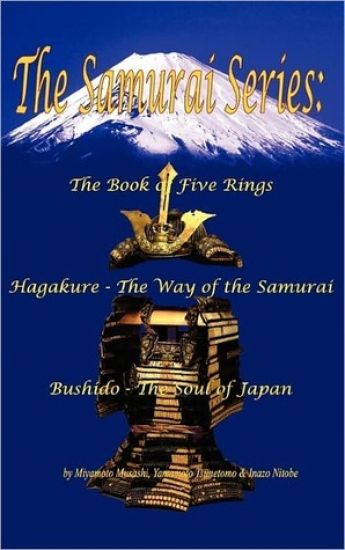
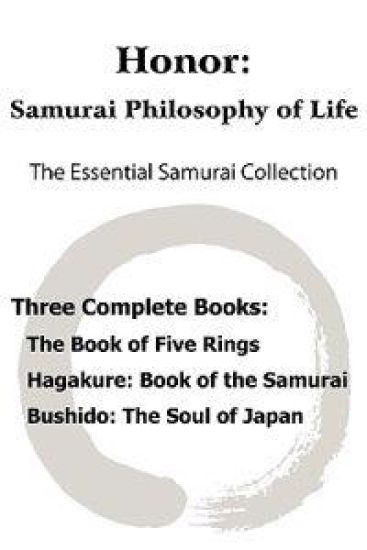
The Samurai Series brings together three of the most important books dealing with the Samurai path and philosophy into one deluxe, illustrated hardcover volume. The Book of Five Rings was written by Miyamoto Musashi, a Samurai of legendary renown, about 1645. It is a masterpiece of simple exposition written by a master swordsman, who, near the end of his spectacular life, tried earnestly to explain the essentials of individual combat and the essence of being a Samurai. His book is widely considered to a cornerstone of the philosophy of Bushido. Hagakure - The Way of the Samurai, which means: "Hidden by Leaves," was composed from dialogs by the famous Samurai Yamamoto Tsunetomo, by a scribe, Tashiro Tsuramoto, about 1716 AD. It explains the major ideas and philosophy that are essential to the "way of the Samurai", by which is meant the "way of dying". It contains numerous tales of various Samurai and their deeds which illustrate their philosophy and practice. Bushido - The Soul of Japan by Inazo Nitobe was first published 1899. It is an extremely literate presentation by a Japanese intellectual who wished to present Japan and its fundamental philosophy in a way that could be understood by Westerners. It describes how the Shinto religion and Buddhism are the underpinnings of the essentially militaristic view of honor and life that are inherent in Bushido, the Samurai code. Excerpt from The Book of Five Rings. Reprinted by permission. All rights reserved. The Gaze in Strategy The gaze should be large and broad. This is the twofold gaze, "Perception and Sight". Perception is strong and sight, weak. In strategy, it is important to see distant things as if they were close, and to take a distanced view of close things. It is important in strategy to know the enemy's sword, yet not be distracted by insignificant movements of his sword. You must study this. The gaze is the same for single combat and for large-scale strategy. It is necessary in strategy to be able to look to both sides without moving the eyeballs. You cannot master this ability quickly. Learn what is written here; use this gaze in everyday life and do not vary it...
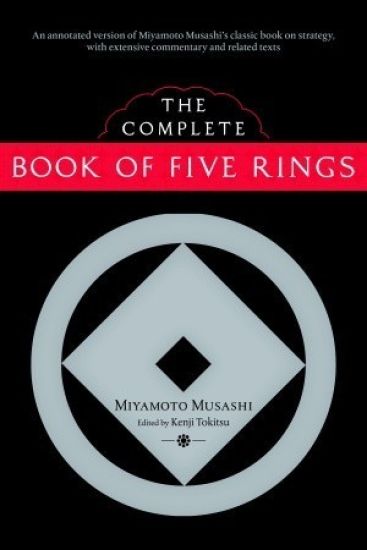
The Complete Book of Five Rings is an authoritative version of Musashi's classic The Book of Five Rings, translated and annotated by a modern martial arts master, Kenji Tokitsu. Tokitsu has spent most of his life researching the legendary samurai swordsman and his works, and in this book he illuminates this seminal text, along with several other works by Musashi. These include "The Mirror of the Way of Strategy," which Musashi wrote when he was in his twenties; "Thirty-five Instructions on Strategy," and "Forty-two Instructions on Strategy," which were precursors to The Book of Five Rings; and "The Way to Be Followed Alone," which Musashi wrote just days before his death. Read together, these five texts give readers an unusually detailed, nuanced view of Musashi's ideas on swordsmanship, strategy, and self-cultivation. Tokitsu puts all these writings into historical and philosophical context and makes them accessible and relevant to today's readers and martial arts students. Tokitsu understands Musashi's writings--and Musashi as a martial artist--unusually well and is able to provide a rare insight into the man and his historical contribution.
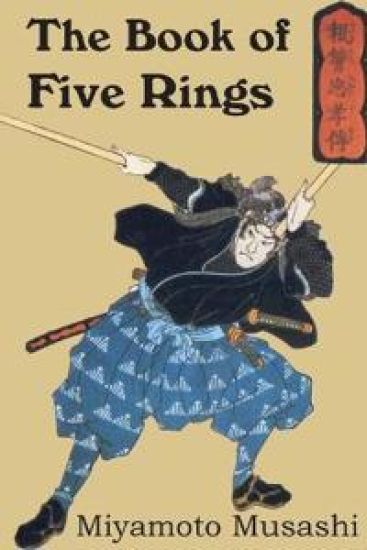
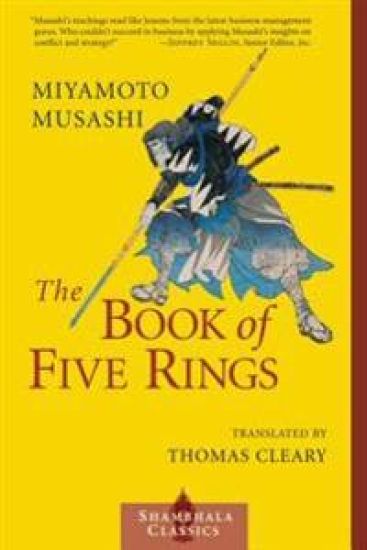
"The Book of Five Rings " is one of the most insightful texts on the subtle arts of confrontation and victory to emerge from Asian culture. Written not only for martial artists but for anyone who wants to apply the timeless principles of this text to their life, the book analyzes the process of struggle and mastery over conflict that underlies every level of human interaction. "The Book of Five Rings " was composed in 1643 by the famed duelist and undefeated samurai Miyamoto Musashi. Thomas Cleary's translation is immediately accessible, with an introduction that presents the spiritual background of the warrior tradition. Along with Musashi's text, Cleary translates here another important Japanese classic on leadership and strategy, "The Book of Family Traditions on the Art of War " by Yagyu Munenori, which highlights the ethical and spiritual insights of Taoism and Zen as they apply to the way of the warrior. The Book of Five Rings is one of the most insightful texts on the subtle arts of confrontation and victory to emerge from Asian culture. Written not only for martial artists but for anyone who wants to apply the timeless principles of this text to their life, the book analyzes the process of struggle and mastery over conflict that underlies every level of human interaction. The Book of Five Rings was composed in 1643 by the famed duelist and undefeated samurai Miyamoto Musashi. Thomas Cleary's translation is immediately accessible, with an introduction that presents the spiritual background of the warrior tradition. Along with Musashi's text, Cleary translates here another important Japanese classic on leadership and strategy, The Book of Family Traditions on the Art of War by Yagyu Munenori, which highlights the ethical and spiritual insights of Taoism and Zen as they apply to the way of the warrior.
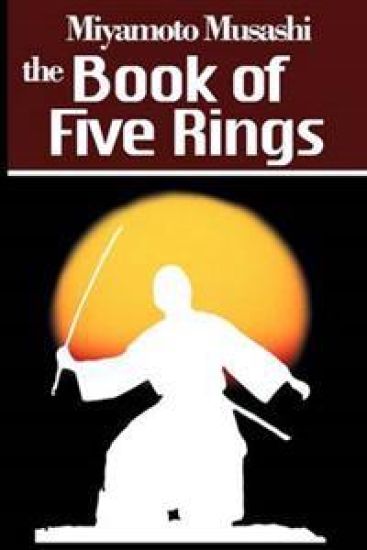
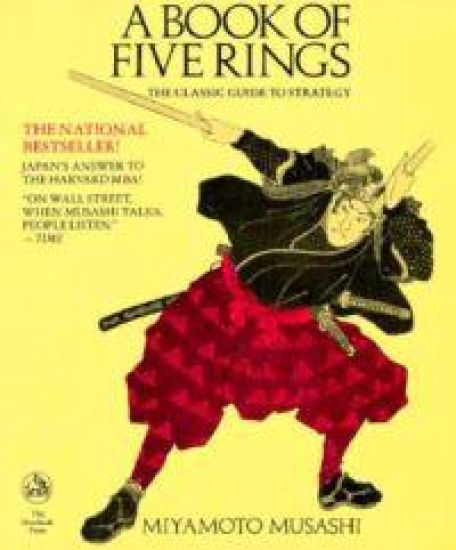
This classic interpretation of Miyamoto Musashi's famous Book of Five Rings is explicitly intended for the martial artist—as Miyamoto Musashi originally intended. It explains the underlying truths necessary for a full understanding of Musashi's message for warriors. The result is an enthralling book on military strategy that combines the instincts of the warrior with the philosophies of Zen Buddhism, Shintoism, Confucianism and Taoism. It is a crucial book for every martial artist to read and understand. Like the original, this classic book of strategy is divided into five sections. The Book of Earth lays the groundwork for anyone wishing to understand Musashi's teachings; the Book of Water explains the warrior's approach to strategy; the Book of Fire teaches fundamental fighting techniques based on the Earth and Water principles; the Book of Wind describes differences between Musashi's own martial style and the styles of other fighting schools; while the Book of No-thing describes the "way of nature" as understood through an "unthinking" existing preconception. Famed martial artist and bestselling author Stephen Kaufman has translated this classic without the usual academic or commercial bias, driving straight into the heart of Musashi's martial teachings and interpreting them for his fellow martial artists. The result is an enthralling combination of warrior wisdom and philosophical truths that Musashi offered to other warriors who wished to master the martial way of bushido.
Here is one of the most insightful texts on the subtle arts of confrontation and victory to emerge from Asian culture. Written not only for martial artists but for leaders in all professions, the book analyzes the process of struggle and mastery over conflict that underlies every level of human interaction. The Book of Five Rings --which has become a well-known classic among American business people, studied for its insights into the Japanese approach to business strategy--was composed in 1643 by the famed duelist and undefeated samurai Miyamoto Musashi. Unlike previous editions of The Book of Five Rings, Thomas Cleary's is an accessible translation, free of jargon, with an introduction that presents the spiritual background of the warrior tradition. Along with Musashi's text, Cleary translates another important Japanese classic on leadership and strategy: The Book of Family Traditions on the Art of War by Yagyu Munenori, which highlights the ethical and spiritual insights of Taoism and Zen as they apply to the way of the warrior.