
Kirjojen hintavertailu – 12 903 724 kirjaa ja 27 kauppaa

Kirjailija

Mohammad Rahmatullah

Kirjat ja teokset yhdessä paikassa: 2 kirjaa, julkaisuja vuosilta 2025–2026, suosituimpiin kuuluu Ecowomanist Literary Praxis and the Politics of Sustainability in the African Diaspora. Vertaile teosten hintoja ja tarkista saatavuus suomalaisista kirjakaupoista.

2 kirjaa

Kirjojen julkaisuvuodet: 2025–2026.

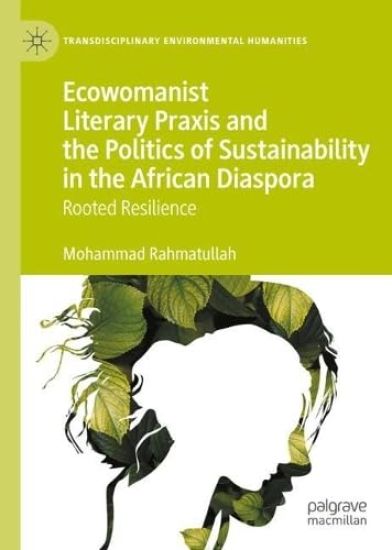
Ecowomanist Literary Praxis and the Politics of Sustainability in the African Diaspora
This book brings together literary analysis, womanist theology, Black feminist ecologies, and decolonial development theory to establish a new methodological framework for interpreting sustainability through African diasporic literature. At a time when global development agendas frequently reduce sustainability to technocratic interventions and data metrics, this monograph highlights the power of literature as a site of critical engagement and ethical reimagination. Ecowomanist literary praxis—the aesthetic, spiritual, and political labor of African diasporic women’s writing—challenges the marginalization of underrepresented communities within dominant environmental discourses. Spanning genres and geographies including the speculative fiction of Octavia E. Butler and the postcolonial ecopoetics of Jamaica Kincade, the book argues that these creative works cultivate ethical orientations and political consciousness that can meaningfully inform more inclusive and accountable understandings of sustainability and global justice.
Exploring Dark Comedy in Ecological Literature

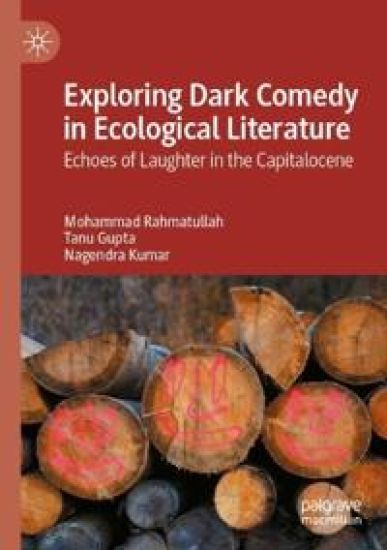
Exploring Dark Comedy in Ecological Literature

Mohammad Rahmatullah; Tanu Gupta; Nagendra Kumar

Springer Nature Switzerland AG
2025
nidottu

Halvin toimitettuna 108,30 €

In this textbook, 'dark comedy' is re-imagined as an ecological instrument: a volatile compound of irony, grotesquerie, and mischievous insight that exposes the carbonised scaffolding of late-capitalist life. Rather than sneering at catastrophe, the chapters anatomise the mechanics--defamiliarising punch line, carnival inversion, affective whiplash--by which humour slips past guard-dogs and rouses an anaesthetised public. The horizon against which this inquiry unfolds is the Capitalocene: a name that indicts capitalism, not "Man," as the principal geological agent of ruin. Moving from Aristophanes to Atwood, from street theatre to streaming satire, each text shows laughter doing intellectual lifting. In one moment it fractures complacent common sense; in the next it stitches together circuits of feeling in which eco-grief can transmute into civic resolve. Juxtaposed with the authority of tragic form, dark comedy proves the more permeable solvent: it dissolves cultural defences, lets paradox breathe, and leaves readers wondering how ecosystems became punch-lines. Methodologically the book is multidisciplinary. Literary tangles with environmental philosophy; humour theory quarrels with eco-Marxism; cultural studies supplies the ethnographic grit that keeps abstraction honest. By braiding those strands the argument departs from standard ecocritical curricula, insisting that jokes are not side-shows but catalytic sites where ethics, affect, and political economy collide. Designed for advanced undergraduates yet hospitable to researchers, the volume refuses the consolations of easy optimism even as it gestures toward actionable hope. Its wager is simple: teach readers to hear the subversive crackle inside dark laughter and they may also learn to re-script the damaged world that provokes it.