Kirjojen hintavertailu – 12 903 725 kirjaa ja 27 kauppaa
Kirjailija
Mohammad Sabaaneh
Kirjat ja teokset yhdessä paikassa: 4 kirjaa, julkaisuja vuosilta 2018–2026, suosituimpiin kuuluu Welcome to Hell. Vertaile teosten hintoja ja tarkista saatavuus suomalaisista kirjakaupoista.
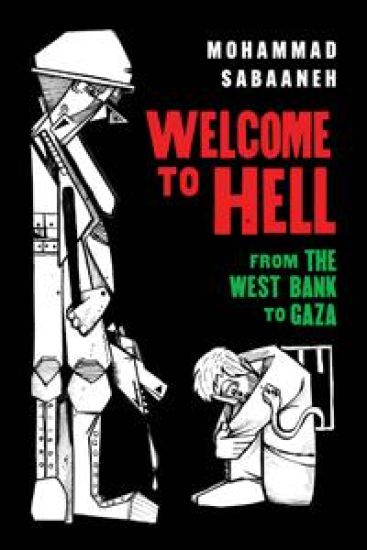
A new graphic novel memoir chronicling the recent horrific days in Palestine, from Mohammad Sabaaneh, the winner of the Palestine Book Award. This powerful graphic novel sheds light on the reality of life in both the West Bank and Gaza during this terrifying time. Told from the perspective of the author's brother's experience in prison and that of those in Gaza struggling to survive displacement, starvation, and attack. In October of 2023, Sabaaneh went on a tour in Europe to promote his book about life under occupation in Palestine. Whether a Palestinian is inside a detention center or in any city or village, they are all in a big prison. The book ends with one message: 'we will not leave.' Upon his return to Palestine, he was trapped within the walls of his home—unable to see his aging parents, or his brother, who was locked away in an Israeli detention center. So begins this vital story of struggle and survival.
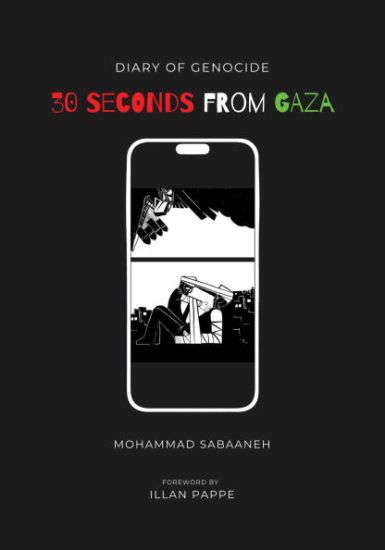
Devastating cartoons from acclaimed Palestinian political cartoonist that convey the outrage and scope of the genocide in Gaza. Mohammad Sabaaneh is an acclaimed Palestinian political cartoonist who has gained worldwide attention for his insightful and provocative linocut artwork, which sheds light on the reality of Palestinian life under occupation. His striking black-white-and-gray cartoons bring attention to the horrors of the Israeli assaults and atrocities in Gaza and open people's eyes to the suffering Palestinians endure under Israel's brutal settler colonialism and its system of apartheid. After his social media accounts were shadow banned and taken down, resulting in the loss of 15 years worth of content, Sabaaneh started questioning the fate of the thousands of videos and pictures of Gaza that can be erased in a second--the commemoration of its historical importance and the importance of documenting what is happening on the ground. The fate of Gaza's story and history is in the hands of a few corporations intent on hiding the crimes committed against the people of Gaza. Capturing and drawing scenes from videos posted on social media was a decision Sabaaneh made as a way to archive moments and information that are expected to be banned and erased later. From the genocide in Gaza to the atrocities in the West Bank, Sabaaneh's political cartoons portray a world in which injustice is unending, but so is the resilience of the Palestinian people. 30 Seconds from Gaza: Diary of Genocide is an artistic triumph and a powerful testament to Palestinian sumud (steadfastness). It is proof of art's capacity to make visible what oppressors want the world to forget. In the words of Mohammad Sabaaneh "30 seconds. 30-second peek through videos from the heart of Gaza to social media platforms. 30 seconds of people's lives in Gaza; a small window showcasing the atrocities and hell Palestinians in Gaza are living in. 30 seconds of people's lives, of people like us. Humans, nothing less... Watching the full scene unfold is gut wrenching, scenes that not many people can watch. Sometimes, we get the 'sensitive content' warning before the video begins... Can you imagine how the ones living those 30 seconds feel? Capturing and drawing scenes from these videos was a decision I made as a way to archive moments and information that are expected to be banned later. It allows me to showcase what is happening on the ground, showcasing the crimes committed against the people of Gaza ... The reasoning behind using Indian drawing ink is its permanence; water cannot erase it. No substance at all can erase it, resembling the dried-up blood splattered across the roads of Gaza, its hospitals, its children's faces... never erased, never forgotten." Notes from the author My story begins in prison. The occupation has held Palestinians in various prisons, some of them small and called jails; others larger and called towns and villages, which are surrounded by military checkpoints, walls, and settlements. The political reporting seen on the news every day can sometimes feel removed and distant, and I am saddened to see our stories are being reduced to numbers and statistics. The life of the Palestinian has become a hemorrhage between military checkpoints, and between one prison and another. This is the reality of settler colonialism. And this is how it impacts us as individuals. This book is an attempt to translate headlines into stories and illustrations, so that you, the reader, can see and feel the reality of Palestinian life.
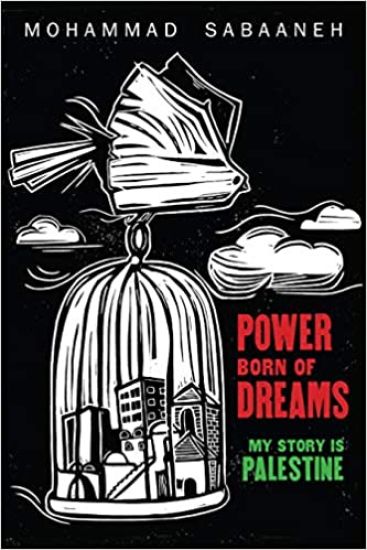
Winner of the 2022 Palestine Book Award“An artistic triumph that will stand as an enduring testament to the spirit of the Palestinian people. Mohammad Sabaaneh is a master.”--Joe Sacco, winner of the American Book Award for Palestine What does freedom look like from inside an Israeli prison? A bird perches on the cell window and offers a deal: “You bring the pencil, and I will bring the stories,” stories of family, of community, of Gaza, of the West Bank, of Jerusalem, of Palestine. The two collect threads of memory and intergenerational trauma from ongoing settler-colonialism. Helping us to see that the prison is much larger than a building, far wider than a cell; it stretches through towns and villages, past military checkpoints and borders. But hope and solidarity can stretch farther, deeper, once strength is drawn of stories and power is born of dreams. Translating headlines into authentic lived experiences, these stories come to life in the striking linocut artwork of Mohammad Sabaaneh, helping us to see Palestinians not as political symbols, but as people.
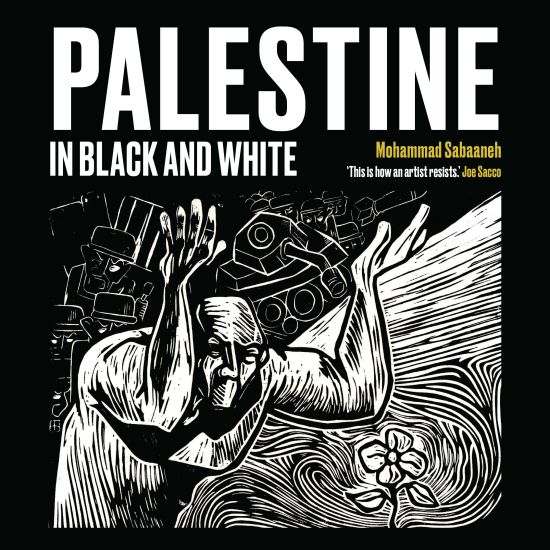
Palestine in Black and White is an intimate and powerful portrayal of life under occupation from one of the most talented cartoonists working today. Mohammad Sabaaneh has gained worldwide renown for his black and white sketches. His stark geometric figures and landscapes are rich with Palestinian visual traditions and symbols, while his haunting figures depict a vivid perspective of the occupation. This first collection brings together one hundred of Sabaaneh's most striking works, including cartoons that portray the experience of Palestinian prisoners, drawn while Sabaaneh himself was detained in an Israeli prison. The drawings do not flinch from revealing the reality that confronts Palestinians, from Israel's injustices in the West Bank to their military operations on Gaza.