Kirjojen hintavertailu – 12 903 725 kirjaa ja 27 kauppaa

Kirjailija

Mohja Kahf

Kirjat ja teokset yhdessä paikassa: 4 kirjaa, julkaisuja vuosilta 1999–2020, suosituimpiin kuuluu Hagar Poems. Vertaile teosten hintoja ja tarkista saatavuus suomalaisista kirjakaupoista.

4 kirjaa

Kirjojen julkaisuvuodet: 1999–2020.

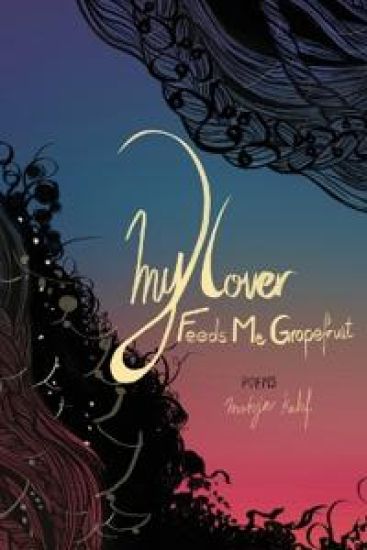
My Lover Feeds Me Grapefruit

My Lover Feeds Me Grapefruit

Mohja Kahf

Press 53
2020
pokkari
Elmaz Abinader says, "My Lover Feeds Me Grapefruit rakes along the skin like a soft touch exciting the nervous system. The juices of the language in these iridescent poems hint to the succulence of many fruits as Kahf beckons to lovers real and desired. . . . Each poem] is a salve that resides in the flesh and heart and shivers us into satisfaction." Naomi Shihab Nye adds, "For so many years, Mohja Kahf's poems have been brightest beacons of light and clarity, a guiding force of goodness, richly woven, comforting fabrics of story, advocacy, and dazzling imaginative power--I bow to her grace and truth "
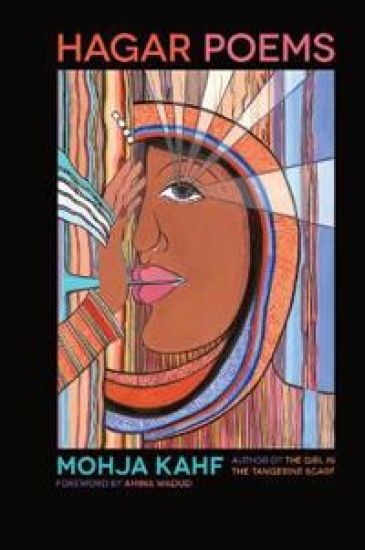
Hagar Poems

Hagar Poems

Mohja Kahf

University of Arkansas Press
2016
nidottu
The central matter of this daring new collection is the story of Hagar, Abraham, and Sarah—the ancestral feuding family of Judaism, Christianity, and Islam. These poems delve into the Hajar story in Islam. They explore other figures from the Near Eastern heritage, such as Mary and Moses, and touch on figures from early Islam, such as Fatima and Aisha. Throughout, there is artful reconfiguring. Readers will find sequels and prequels to the traditional narratives, along with modernized figures claimed for contemporary conflicts. Hagar Poems is a compelling shakeup of not only Hagar’s story but also of current roles of all kinds of women in all kinds of relationships.
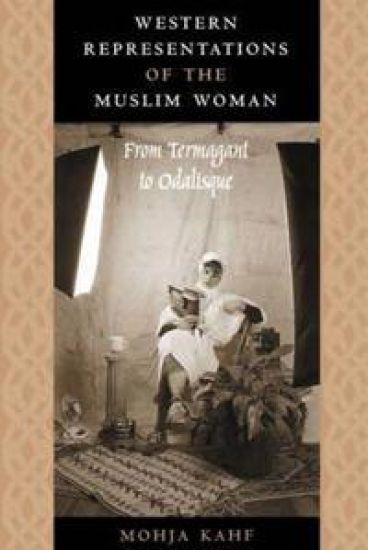
Western Representations of the Muslim Woman

Western Representations of the Muslim Woman

Mohja Kahf

University of Texas Press
1999
pokkari
Veiled, secluded, submissive, oppressed-the "odalisque" image has held sway over Western representations of Muslim women since the Enlightenment of the eighteenth century. Yet during medieval and Renaissance times, European writers portrayed Muslim women in exactly the opposite way, as forceful queens of wanton and intimidating sexuality. In this illuminating study, Mohja Kahf traces the process through which the "termagant" became an "odalisque" in Western representations of Muslim women. Drawing examples from medieval chanson de geste and romance, Renaissance drama, Enlightenment prose, and Romantic poetry, she links the changing images of Muslim women to changes in European relations with the Islamic world, as well as to changing gender dynamics within Western societies.